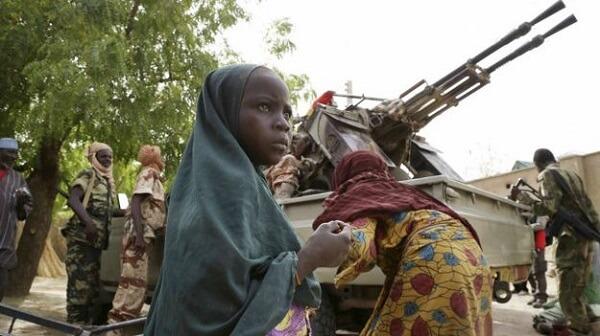
The World Bank, through the FADAMA III project, has committed $50 million intervention fund to develop the agricultural activities in the North East, especially persons affected by Boko Haram insurgency across Borno, Adamawa, Yobe, Taraba, Bauchi and Gombe.
The project, which kicked off this year under the FADAMA III Additional Financing programme, will last till 2019, and targets 640 communities with the aim of bringing life to those affected badly by the insurgents activities.
Tayo Adewunmi, national coordinator of FADAMA III project, who disclosed this while speaking with agriculture correspondents on Thursday in Abuja, said Borno, which is the most affected state, would receive the largest chunk of the total money in line with the World Bank’s five-point scale of allocating the funds – Yobe 4, Adamawa 3, while Bauchi, Taraba and Gombe get 2, respectively.
Adewumi said beneficiaries would assess the benefit through the Community Action Plan (CAP) which is a document put together by the community themselves, with the aim of identifying them, geo reference them, determining the kind of support they need, adding that each community would put all their needs in the CAP before they qualify for funding.
“The support given them will be 100 percent, because you cannot ask someone who has lost everything to contribute. That is already ongoing now for funding by January,” he said.
He further said the emergency intervention would also target women tagged ‘women headed families’ who had lost their husbands as a result of the insurgency, saying, “We will be giving the women some stipends to sustain themselves while she goes to the farm.”
He highlighted support to be given to the women to include processing, backyard farming in crops with short gestation period like vegetable, provision of grinding machine, while some other would be supported in livestock rearing, depending on the areas of their need.
He pointed out that FADAMA was also partnering the World Food Programme (WFP) on another programme called the ‘cash for work’ as a way of providing some of the affected persons a means of livelihood through agriculture.
“The Red Cross and CSOs are already working with our team at the community level to identify them in groups. We want to ensure that these are people who will continue to remain in those areas we are rehabilitating,” he said.