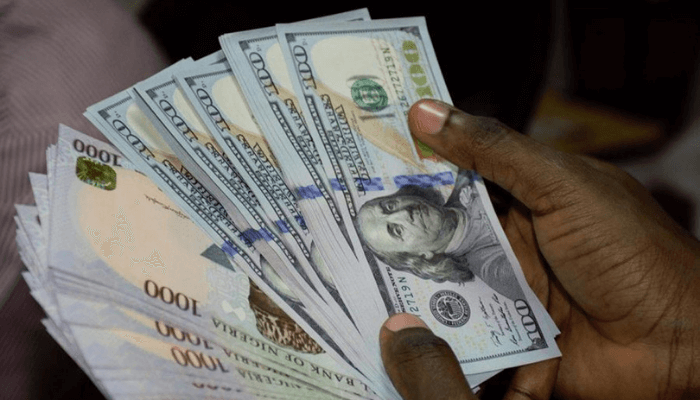
Nigeria, this morning opened offers for its planned US$2.5 billion Eurobond issue, sources have told BusinessDay. The offer is said to be a 12 and 20-year tenor issue with a pricing in the range of +450 basis points above US treasuries for the 12-year tenor bond and 487.5 basis points for the 20-year bond. Yields on current US-Treasuries stands at 2.93 percent which means that the final yields on the bonds could range between 7.43 percent to 8.0 percent.
Patience Oniha, Director General of the Debt Management Office had disclosed in January of plans to sell $2.5 billion of Eurobonds in the first quarter this year to refinance domestic debt.
The issuance will complete a dollar-debt program that started with selling $3 billion of Eurobonds in November.
Analysts have noted that the yield on the current bond looks a bit pricy and may have factored pre-election jitters.

The yield seemed to have shrugged off the fact that yields on Nigeria issued dollar bonds due November 2027 have fallen about 60 basis points since they were issued late last year to 5.92 percent, almost eight percentage points lower than the yield on similar maturity local-currency government bonds.
In November, Nigeria raised its biggest Eurobond – $3 billion in a two-part international bond sale as it sought to fund a fiscal deficit and reduce its local-currency debt burden and it split that offering equally between 10- and 30-year tranches.
The yield was 6.5 percent for the shorter notes and 7.625 percent for the 30-year portion, down 25 basis points on each tranche from the initial guidance. The issue received $11 billion of bids, according to central bank Governor Godwin Emefiele.
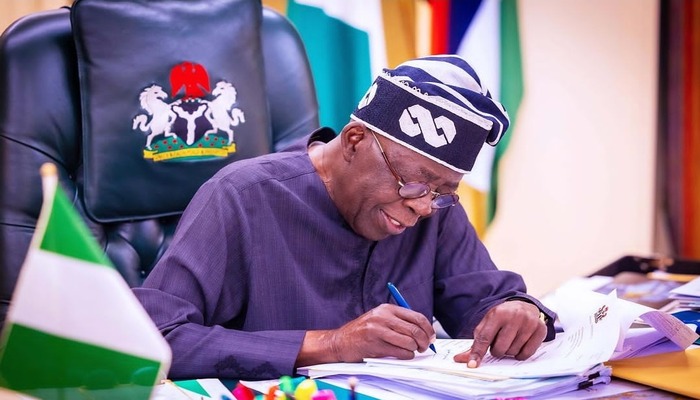
President Muhammadu Buhari’s administration is selling more foreign debt to help reduce the financing burden from paying double-digit yields on local-currency bonds.
That would help free up funds to increase investment in infrastructure and spur economic growth. The International Monetary Fund forecast the economy will expand 2.1 percent this year compared with 0.8 percent in 2017 but some other forecasts give Africa’s largest economy better prospects.

The whole $2.5 billion could be raised in one go or in tranches, Oniha had disclosed in a chat with the media.
The government also plans to begin talks with JPMorgan about being included in its government bond index for emerging markets, said Oniha. The nation’s naira securities were removed in 2015 because of foreign-currency shortages.
“We would like to get back into the index,” Oniha said. Daily trading volumes for the naira have risen to about $200 million from as little as $20 million three years ago, according to Standard Chartered Plc. That bodes well for discussions on returning to the index, according to Oniha. “The securities trading was never the problem, it was always the foreign-currency liquidity,” which has now improved, she said.