As state government coffers swell from a historic surge in Value Added Tax (VAT), calls for accountability have heightened, with experts seeking greater fiscal transparency and the effective utilization of public resources.
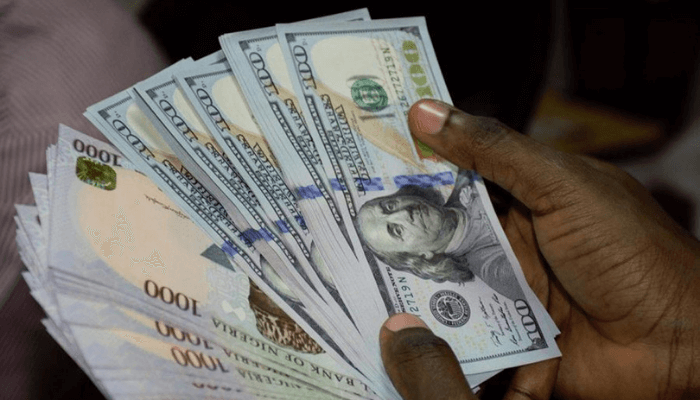
A BusinessDay analysis of VAT collections by the Nigeria Revenue Service (NRS), presented to the Federation Account Allocation Committee (FAAC), showed that of the N1 trillion net VAT revenue collected in January, state governments received N551.77 billion. This represents a 30.4 percent increase compared to the N423.25 billion distributed in December 2025.
Total VAT collections stood at N1.08 trillion in January 2026, a sharp increase from the N913.96 billion collected in December 2025. Total net VAT stood at N1 trillion after N79.9 billion in statutory deductions at source.
Of this total, the Federal Government received N100.32 billion (10 percent), while Local Governments received N351.13 billion, as the implementation of the new tax laws takes effect.

However, experts have stressed that accountability mechanisms must be strengthened to ensure that state governments convert these windfall revenues into measurable improvements in human development and citizen welfare.
Read also: Higher VAT allocations raise expectations for state spending as collections hit N2.28tn
Speaking with BusinessDay, Joseph Amenaghawon, Country Director of BudgIT, questioned the responsiveness of state governments regarding accountability and engagement with citizens. He noted that while some states have demonstrated transparency, other governors have held the purse of the states very close to their chest.
“It does seem as if the more resources made available to certain tiers of government, the more challenging it is for them to effectively utilize these funds in accordance with due process and public finance regulations,” Amenaghawon said.
“We need to intensify efforts to encourage citizens to demand accountability now that allocations have increased. What does this windfall mean for the average person?”

He emphasized that effective monitoring must be carried out on states, especially those with low Internally Generated Revenue (IGR). Using Lagos as a an example, he noted that while the state is largely self-sustaining, many Lagosians are not sufficiently alert to resource management.
“Unlike states where generated revenue is nearly non-existent, these are the areas where we need to beam a searchlight to see how effectively they utilize these funds to help citizens live better lives,” he added.
Amenaghawon further warned that as a pre-election year, many governors may be tempted to prioritize election-targeted infrastructure. “There is a risk of spending just to mesmerize the electorate, especially for those seeking a second term. In states where management is opaque, criminal-minded elements might see this as an opportunity to take as much as they can. The task is on civil society to ask critical questions.”
Also speaking with BusinessDay, Kabir Isah, Abuja based public affairs analyst said that accountability mechanisms at state levels are weak, this he said is driving poor investment in productive sectors, education and healthcare.
He said that by investing in these sectors, state governments can build viable economy that will reduce their dependence on federal allocations.
“By investing in these sectors, state governments can build viable economies that reduce their dependence on federal allocations,” Isah said. “But many governors prefer politically visible projects. Because education and health take a decade to show results, and governors operate on four-year cycles, they often lack the incentive to invest in reforms that will primarily benefit their successors.”