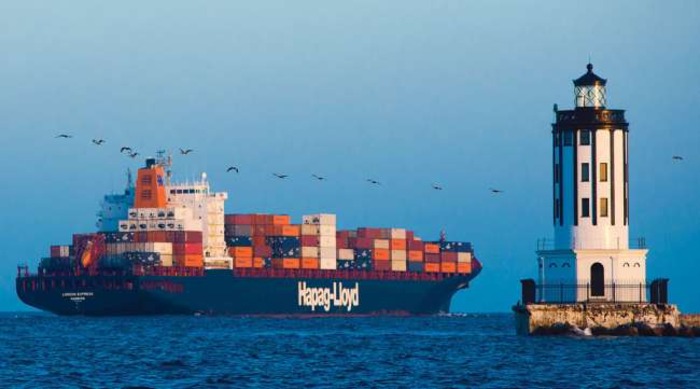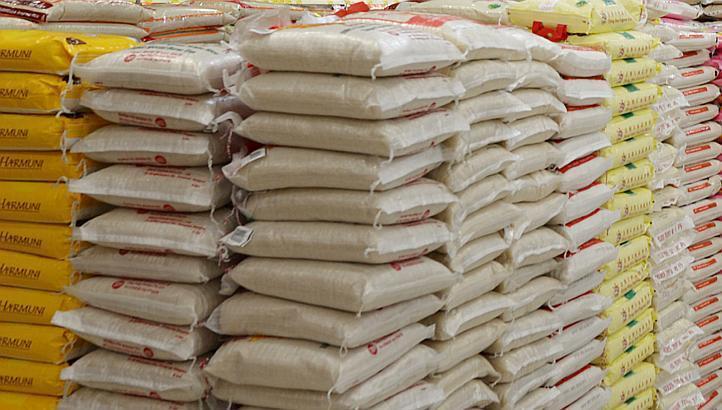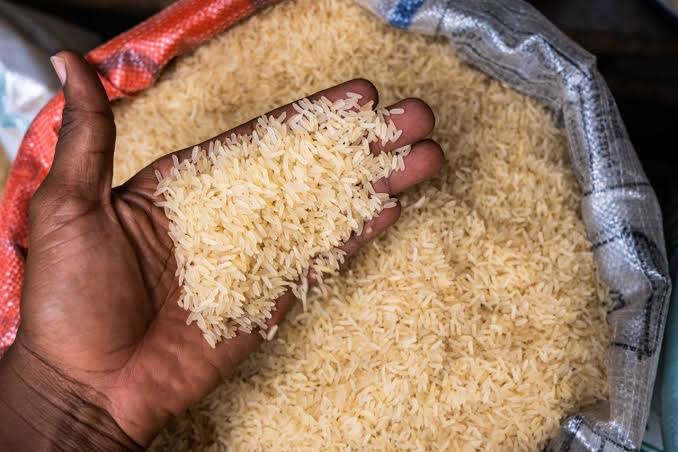
Smuggling of foreign rice into Nigeria has forced the shutdown of more than 90 rice mills across the country, prompting the Federal Government to move to protect local producers and stabilise the domestic rice industry.
John Owan Enoh, Minister of State for Industry, disclosed this during a high-level meeting with the Rice Processors Association of Nigeria (RIPAN) in Abuja on Monday, where stakeholders discussed the growing threats facing Nigeria’s rice value chain.
The meeting focused on tackling persistent challenges within the sector, particularly the impact of smuggled rice, which industry operators say is undermining local production and discouraging investment in the country’s rice processing industry.
Speaking during the engagement, Enoh stressed that the growth and sustainability of Nigeria’s rice sector would depend on stronger collaboration between government, industry operators and private sector stakeholders.

Read also: FT uncovers $90bn Russian oil smuggling operation
“Sustainable progress in Nigeria’s rice industry can only be achieved through strong collaboration among government, industry leaders and private sector stakeholders. Every player in the value chain must work together to ensure that Nigeria continues its journey toward self-sufficiency in rice production,” the minister said.
Enoh said the Federal Government remains committed to ensuring the availability of rice across the country while safeguarding national food security and maintaining prices that are affordable for consumers.
He, however, raised concerns over the growing influx of cheaper foreign rice into the Nigerian market, warning that it poses a major threat to local producers and the country’s agricultural and industrial progress.
“When imported or smuggled rice is sold at prices far below locally processed rice, it undermines domestic production and discourages investment in the sector.

“Government will not hesitate to take necessary policy actions to protect local industry and sustain Nigeria’s rice value chain,” he said
The minister also urged industry stakeholders to provide credible and accurate information about the realities facing the sector to enable the government to design effective policies.
According to him, while many of the challenges confronting the rice industry have been discussed over the years, the current administration is focused on implementing practical solutions.
“Many of these issues have been discussed repeatedly over the years. However, the focus of this administration is not endless dialogue but practical implementation that delivers results for Nigerians,” he added
Read also: Nigerians double down on local chicken as smuggling fades
He described rice as one of the most widely consumed staple foods in Nigeria, noting that a strong rice sector is critical for food security, job creation and economic growth.
In his remarks, Andy Ekwelem, Director-General of the Rice Processors Association of Nigeria, said rice smuggling has become one of the most serious threats to the survival of local processors.
According to him, rice entering Nigeria illegally through land borders bypasses official duties and levies, making it significantly cheaper than locally processed rice and placing domestic producers at a severe disadvantage.
“Smuggled rice enters the Nigerian market at prices that local producers simply cannot compete with. This unfair competition has had devastating consequences for the industry,” Ekwelem said.
He revealed that out of more than 150 rice mills nationwide, nearly 90 have shut down operations, while the remaining mills are currently operating between 30 and 70 percent of their installed capacity.
Despite the challenges, Ekwelem said the rice industry continues to play a vital role in Nigeria’s economy, providing direct employment for more than 100,000 people, including graduates and women while supporting over 10 million farmers across the agricultural value chain.
He added that farmers and processors are also grappling with rising production costs, insecurity in farming communities and inadequate infrastructure.
“Many farmers are forced to sell their produce at a loss due to the pressure created by the influx of cheaper smuggled rice. This situation is making it increasingly difficult for local millers to remain viable,” he said
Read also: Group laments unabated smuggling of vegetable oil into Nigeria
Ekwelem also clarified that the recent decline in rice prices in some markets should not be interpreted as a result of increased domestic production.
According to him, the drop in prices is largely driven by the activities of organised smuggling networks moving large volumes of rice through illegal border routes.
Stakeholders at the meeting called for stronger border enforcement and more effective measures to curb illegal rice imports.
They noted that tackling smuggling would create the necessary conditions for local mills to expand production, encourage farmers to increase output and stimulate broader economic benefits across the agricultural value chain.