A comprehensive insurance product for the agriculture sector is being prepared for public launch by the Nigeria Incentive-Based Risk Sharing System for Agricultural Lending (NIRSAL), in addressing the peculiar risks associated with agriculture in Nigeria.
NIRSAL in a document exclusively made available to BusinessDay, stated that with its technical partner, it has collaborated with NAICOM and NAIC (who led a consortium of four (4) underwriters) to provide innovative and index based insurance to protect investments in the agricultural sector, particularly those of the smallholder farmers. With this, NIRSAL says it is currently about to unveil the fully developed proprietary NIRSAL Comprehensive Index Insurance product, the NCII
In this respect, NIRSAL is leading a consortium of Agricultural Insurance underwriters to strategically transition their product focus from indemnity-based insurance to Area Yield Index, Revenue Index, Hybrid Index and finally to the NIRSAL Comprehensive Index Insurance product. This suite of innovative products does not only provide compensation to farmers on the basis of cost incurred but also covers projected earnings.
READ ALSO: NIRSAL commences distribution of farm inputs to women in Uyo

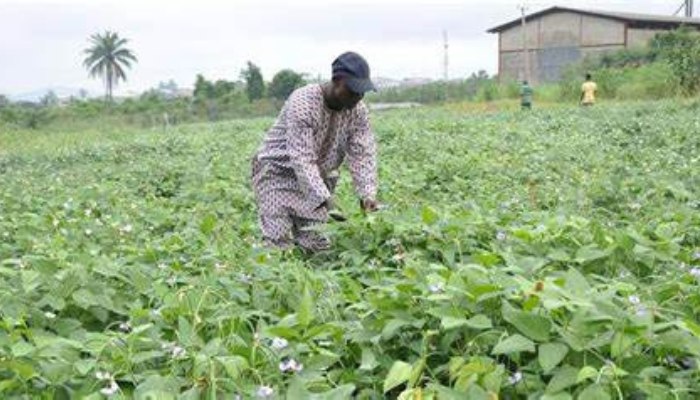
The document further notes that so far, a total of 24,666 farmers cultivating 20,062 hectares have used the NIRSAL Area Yield Insurance Index product to protect a total harvest value of N4.77 Billion. Insured farmers who suffered low area yields during the 2017 Wet Season are according to NIRSAL, have also received appropriate compensation.
Aliyu Abdulhameed, NIRSAL’s MD/CEO, also pointed out that even at the maximum cover of 75% credit-risk guarantee on agricultural loans, NIRSAL has maintained a crystallized guarantee ratio of about1%only, against the financial industry average ratio of 7.9%. More importantly, Abdulhameed stated that the business model of NIRSAL, as a corporation, has shown remarkable resilience and sustainability in that it has proven to be an astute agricultural finance risk management institution that has demonstrably sustained its operations, preserved and expanded its capital base, thus one can safely say that its future sustainability is strongly assured.
Abdulhameed described insurance as a critical measure deployed by NIRSAL in managing and mitigating risk; an essential component of the agency’s five (5) pillars. The insurance facility it has developed is expected to expand agricultural insurance products to reduce credit risk and increase lending across the agricultural value chain.
NIRSAL’s goal, as stated in the document, is to expand insurance uptake by primary producers from 0.5 million to 3.8 million by 2026 and continually develop insurance products that will give financial institutions and Agricultural Value Chain players the comfort they need to lend to the agricultural sector while building the capacities of underwriters.
CALEB OJEWALE