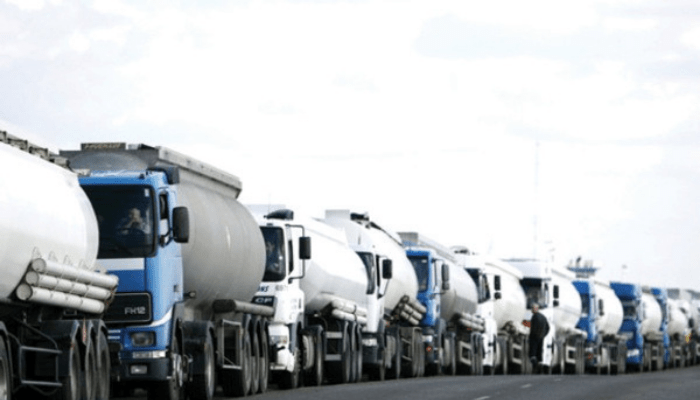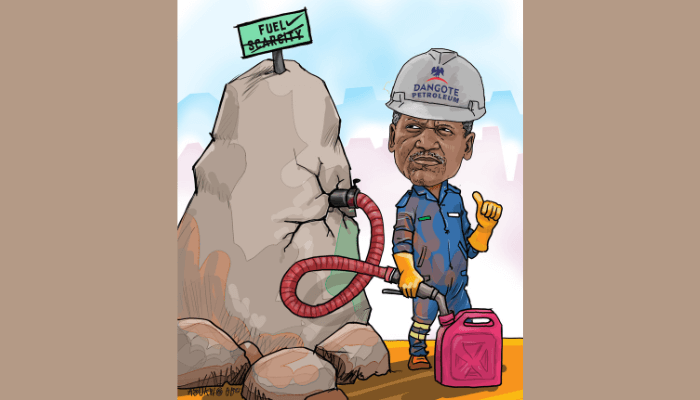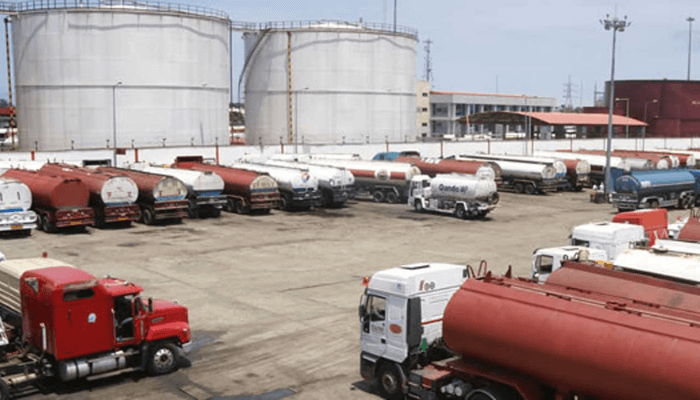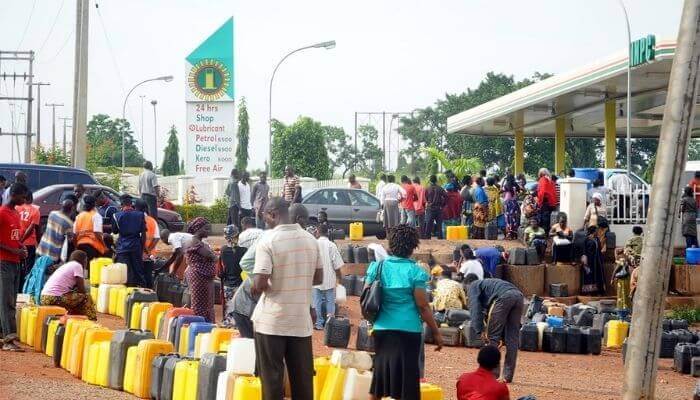
The statistician general of the federation, Simon Harry says he expects to see Nigeria’s inflationary pressures thicken near term on the back of ongoing nationwide fuel crisis triggered by the toxic fuel imported by the country’s oil company – the Nigerian National Petroleum Corporation (NNPC).
Inflation, year-on-year slowed in January to 15.6 percent after notching up in December 2021 on the back of the usual yuletide demand which saw consumer prices go up, breaking an 8-month downward trend.
The January decline was 0.03 slide from the 15.63 percent recorded in December.
The National Bureau of Statistics (NBS), in a Consumer Price Index report released on Tuesday, attributed the marginal decrease to slowed demand in January, particularly after the yuletide when prices surged.

According to the data office, food inflation settled at 17.13 percent in January as against 17.37 percent in December. This rise in the food index was caused by increases in prices of bread and cereals, food products such as potatoes, yam, and other tubers, soft drinks, oils and fats, and fruits.
Core inflation during the period remained unchanged at 13.87 percent. The NBS said the highest increases were recorded in prices of electricity, liquid fuel, wine, tobacco, spirit, solid fuels, cleaning, repair and hire of clothing, shoes and other footwear, other services in respect of personal transport equipment.
The statistician general said although there were earlier expectations that inflation should ease going forward, the new fuel crisis signals bad implications for the economy, not just in inflation, but even growth and jobs
Read also: Inflation in Nigeria: Two sides of the same coin
“When there is fuel crisis as we are having now, it will create an artificial shock which is capable of negative implications for the economy, whether we like it or not. You can imagine that transporters will be taking advantage of the situation and as the cost of transportation increases, the cost of items will also rise because those selling will have to recover their costs,” Harry stated at a press meeting to explain the latest inflation numbers.

“So that gives us a negative signal that it is capable of affecting not just inflation rate but other macroeconomic variables, such as GDP and unemployment rate because many businesses, particularly as the economy is largely driven by the private sector may not be able to run effectively as expected.”
“I can assure you that somehow the fuel situation is not the best for the economy and will affect the earnings of individuals and by implication, the income businesses of Nigerians. So that is how bad it is.”
In the report, NBS reported urban inflation at 16.17 percent year-on-year in January 2022 the same as the December figures while rural inflation was 15.06 percent as against 15.11 percent.
For states, inflation was highest in Abuja with 18.59 percent followed by Kogi with 18.28 percent and Bauchi, 17.61 percent.
But Kwara recorded the lowest with 12.94 percent followed by Niger with 14.10 percent and Oyo, 14.19 percent.
Food inflation year-on-year basis was highest in Kogi with 22.61 percent followed by Enugu with 19.84 percent and Akwa-Ibom (19.67%). On the other hand, Sokoto had 14.18 percent, Bauchi (14.63%) and Kaduna (15.01%) as the lowest in January 2022.