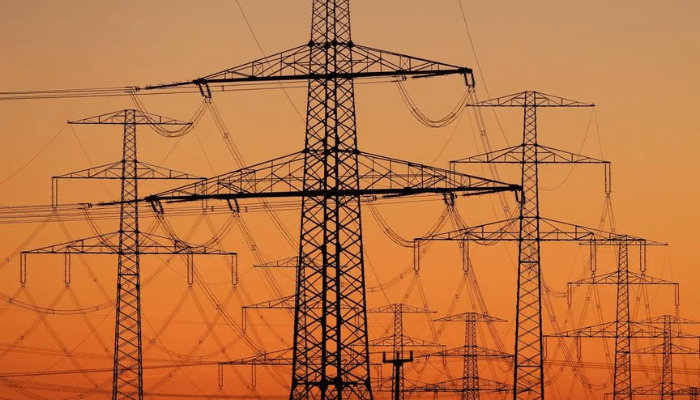
Africa’s leaders and development partners recently launched Mission 300, an ambitious plan to connect 300 million people in Sub-Saharan Africa to electricity by 2030. This goal comes in response to the nearly 600 million people in the region still living without power. Closing that gap will require a massive push: rural and underserved communities must finally get reliable, affordable energy. Done right, this is more than an infrastructure project – it can transform lives through better health, education, and economic growth.
Challenges in Expanding Energy Access
Mission 300 is bold and necessary, but the challenges are real. First, energy poverty is not evenly spread. In fact, just three countries – Nigeria (86.8m), the Democratic Republic of Congo (79.6m), and Ethiopia (56.4m) – alone account for roughly one-third of all people without electricity worldwide. Most of these unserved people live in rural areas, far from existing grids. Reaching them means more than stringing wires to a nearby substation; it requires creative solutions like solar mini-grids and battery systems, targeted public investments, and integrating power expansion with schools, clinics, and farms. In short, planning and resources must prioritize the places with greatest need rather than only focusing on easy urban connections.
Second, even when power is available, cost matters. African consumers are extremely price-sensitive. In some countries, households face some of the highest electricity prices on the continent. For example, businesses in Sierra Leone pay about $0.34 per kilowatt-hour – higher than in most African nations – and families in many places must budget tightly. Any new electricity must be affordable at the plug. History shows that if subsidies or support are removed, many people simply switch back to cheaper fuels or illegal sources. To make energy truly accessible, governments and compacts must consider the final cost to families. This could mean subsidizing connections, using lifeline tariffs, or offering flexible payment plans.

A case in point is how Bangladesh tackled rural electrification. There, a government-driven program gave low-income households micro-loans to buy small solar home systems. Loans as tiny as $100 let families install solar home systems for their home. This made electricity affordable for 20 million people who once had none. It shows that clever financing – public funds plus private sector – can make green power pay off for even poor rural families. African countries might draw lessons from this: things like on-bill financing, or loans tied to mobile payments, can spread costs and overcome the high upfront fees that often stop poor households from connecting.
Finally, infrastructure alone is not enough. Even where grids reach a village, many families still cannot afford the connection fee. We must distinguish between having power lines nearby and having electricity in the home. In many African towns, only a fraction of households are actually connected, because connection charges or monthly bills are too high. Governments may need to subsidize that last step, or use creative models like cross-subsidies (where industrial or wealthy urban users pay a bit more to offset poor rural fees). Such models can expand access while keeping utilities financially stable.
Rethinking Gas: A Diversity of Solutions
At the Mission 300 summit, the use of natural gas as a backup for wind and solar power, as well as a clean cooking fuel (LPG) was advocated. This was unsurprising, given that large oil companies naturally tend to favor gas. But Africa’s energy future should be technology-diverse and demand-driven, not decided by any one industry’s pitch. We must fully tap Africa’s rich renewable resources. For example, geothermal in the Rift Valley, hydropower on major rivers, wind on the coasts, and even power-sharing across regions (Africa spans six time zones) can smooth out peak demand. In practice this means strengthening regional power pools: when it’s nighttime in one country, solar or wind from a neighbor entering its day can balance the grid.
The experience so far suggests fossil fuels alone have not solved Africa’s access problem. Some oil- and gas-rich countries still have large unelectrified populations, while others have leveraged their resources better. For instance, Nigeria, Senegal and Côte d’Ivoire (all oil or gas producers) have managed to electrify a larger share of their citizens, partly by reinvesting energy revenues and improving utilities. Meanwhile, Niger, Chad and the DRC lag far behind. This contrast shows that resource wealth is not destiny – policy choices are. African countries should keep natural gas as one tool (especially for urban industry) but must also aggressively pursue renewables and smart grids, rather than put all their eggs in one basket.

Tackling Methane: A Win-Win Opportunity
As Africa continues to develop its oil and gas infrastructure, methane mitigation must become a top priority. Methane, a byproduct of oil and gas operations, is a potent climate pollutant—over 80 times more powerful than CO₂ over a 20-year period—but it also represents wasted, sellable energy. Addressing methane emissions is not about expanding fossil fuel use, but rather about reducing harmful leaks and flaring in existing systems. For example, Nigeria’s Gas Flare Commercialisation Programme (NGFCP) illustrates how capturing methane that would otherwise be flared can both combat climate change and unlock new revenue streams.
However, this requires upfront investment. As it stands, Africa’s oil and gas industry needs roughly $11.2 billion per year just to abate methane leaks, yet so far it receives under 1% of climate finance. Policy-makers will need to create an enabling environment and incentives – grants, low-interest loans or carbon credits – to cover these costs. The good news is that reducing methane often generates its own returns, as the captured gas can be sold. With the right financing mechanisms and regulatory support, methane abatement can become a commercially viable solution.
In the context of national energy plans and commitments, Africa must balance growth and green goals. Many African governments have now joined the Global Methane Pledge, committing to cut emissions. To meet these commitments while expanding access, countries should prioritize methane controls: ensure new gas projects use leak detection and repair, flare capture, and other best practices from day one. This helps power more homes and keeps Africa’s energy transformation cleaner.
Africa’s Climate Vulnerability
It’s worth reminding ourselves why this matters. Africa contributes only a tiny fraction of global emissions (about 4%), but it faces some of the most severe climate impacts. Droughts, floods and heatwaves are already increasing on the continent. The World Meteorological Organization reports African countries are losing 2-5% of GDP each year due to climate extremes. Over 100 million Africans could be driven into extreme poverty by 2030 if these climate shocks continue unchecked. Water stress, crop failures and biodiversity loss undermine hunger goals and rural livelihoods. In practical terms, climate breakdown directly threatens Africa’s development targets – Agenda 2063, the Sustainable Development Goals and national poverty reduction plans all rely on stable weather and affordable energy.
Yet there’s also a clear path forward, analysis by the IEA shows that using today’s technology and practices, the world could cut 75% of methane emissions from fossil fuels by 2030 – and that includes Africa. A significant share of Africa’s methane emissions originates from just a few countries—such as Nigeria, Algeria, and Angola—so targeted action in these locations could deliver outsized impact. In other words, Africa can make major strides on climate simply by fixing leaks and flares, without needing radical new inventions. International funding and partnerships in global methane initiatives can help bridge the gap.
Powering Progress: Linking Access and Climate Action
Mission 300 is not just about building poles and wires – it’s an opportunity for a green and inclusive growth model. With smart policies and the right investments, Africa can bring electricity to millions and leapfrog straight to clean solutions. For example, expanding mini-grids and rooftop solar creates local jobs in manufacture and installation. Extending transmission lines through rural areas can be paired with broadband internet lines, schools, and clinics. Private investors are eager to enter African markets, especially if guarantees and regulations make returns predictable. In all cases, stronger utilities and regional market integration (easier trading of power across borders) will boost efficiency and attract capital.
The bottom line is: expanding energy access and tackling climate change are complementary goals. By focusing on affordability (so power is actually used, not just available) and on preventing pollution (especially methane), African leaders can ensure Mission 300 lights up homes and keeps the continent on a safe climate path. This dual strategy will multiply benefits – it will create more green jobs, reduce energy costs over the long run, and help millions climb out of poverty.