…FG tracks oil prices, capital flows, inflation pressures
The federal government is closely monitoring escalating tensions in the Middle East, warning that rising geopolitical risks could affect oil prices, capital flows, and domestic inflation, even as it assures the economy remains well positioned to withstand external shocks.
The ministry of finance said in a statement on Tuesday that the crisis could affect the economy through several channels, including volatility in global crude markets, disruptions to capital inflows, and rising logistics costs, all of which may feed into higher domestic fuel and consumer prices.
Read also: FG issues emergency contacts for Nigerians in Middle East amid ongoing crisis

“Volatility in global energy markets is already driving increases in domestic prices, including fuel, diesel, cooking gas, and fertiliser,” the ministry said, highlighting how international market shocks could transmit to everyday Nigerians.
The Economic Management Team (EMT), chaired by Wale Edun, finance minister and coordinating minister of the economy, convened a meeting to review the possible economic impact of the Middle East crisis. The team also discussed developments in the domestic energy market, including the naira-for-crude policy aimed at supporting local refining and reducing pressure on Nigeria’s foreign exchange reserves.
The team examined sector-specific indicators and stressed close coordination among fiscal, monetary, and energy policy institutions to ensure any volatility is managed effectively.
“The federal government of Nigeria is closely monitoring escalating geopolitical tensions in the Middle East involving the United States, Israel, and Iran, and remains committed to safeguarding Nigeria’s economic stability,” the ministry said in the statement.
Officials identified three immediate channels through which the crisis could affect the Nigerian economy. First, crude oil and gas prices are vulnerable to disruptions along global supply routes, particularly the Strait of Hormuz, a key chokepoint for world oil flows.
Second, capital flows and broader financial market conditions could be disrupted as investors shift funds into safe-haven assets, potentially reducing inflows into emerging markets such as Nigeria.

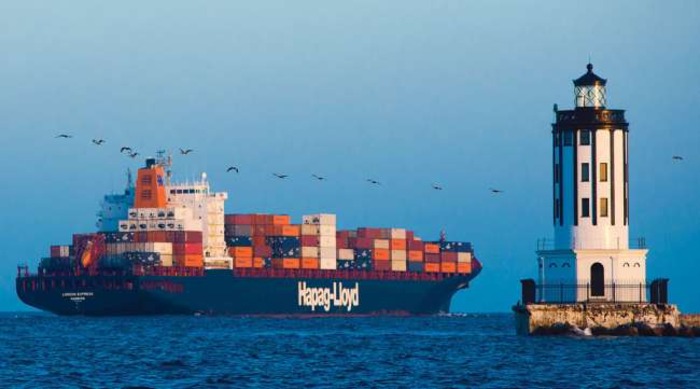
Third, disruptions to global logistics and shipping could raise international freight costs, contributing to higher domestic prices for goods and services.
Authorities said the scale of the impact will largely depend on the duration and intensity of the conflict, noting that prolonged instability could increase the cost of living and further fuel inflation, especially in energy-intensive sectors such as manufacturing, agriculture, and transportation.
Despite these risks, the government emphasised that Nigeria enters this period with improving economic fundamentals. Real GDP expanded by 4.07% in the fourth quarter of 2025, one of the strongest quarterly performances in over a decade, reflecting the impact of ongoing economic reforms and improved macroeconomic coordination.
“The federal government emphasises that Nigeria enters this period of global uncertainty from a position of strengthening economic fundamentals,” the ministry said, assuring that policy institutions are prepared to respond to market volatility and shield households and businesses from external shocks.
Edun particularly stressed that careful policy calibration would remain central to protecting recent gains. “He further noted that the federal government will continue to monitor the situation closely and adjust policy measures where necessary to minimise disruptions, sustain investor confidence, and protect the welfare of Nigerians,” the statement noted.
Read also: Oil surges above $100 as Middle East conflict escalates
The ministry added that fiscal, monetary, and energy policy teams are reviewing all options to maintain stability, including interventions in foreign exchange markets, domestic fuel pricing mechanisms, and support for businesses affected by rising costs.
It also noted that government’s proactive approach is aimed at maintaining investor confidence, ensuring supply chains remain functional, and preserving the economic recovery achieved over the past two years.
It reassured that the government remains vigilant and proactive, stressing that with real-time coordination across policy institutions and readiness to implement targeted interventions, the country is taking steps to safeguard its growth trajectory, protect citizens from external shocks, and maintain macroeconomic stability despite global uncertainty.