Balancing the turmoil within Niger Republic and the prolonged fuel crisis in Nigeria, President Tinubu’s reforms face their strongest stress test.
The Nigeria Labour Congress (NLC) recently issued a warning, stating that it will initiate a nationwide shutdown in response to growing concerns about a potential increase in the cost of Premium Motor Spirit (PMS), commonly referred to as petrol.
Trade Union Congress (TUC) has also aligned itself with the NLC’s stance if such a price hike is implemented, reports suggest.
Joe Ajaero, the NLC President, conveyed this stance during a meeting held in Abuja, describing the possible increase due to fluctuations in foreign exchange rates as “illegal.”

Chinedu Ukadike, the national public relations officer of the Independent Petroleum Marketers Association of Nigeria (IPMAN), responding to questions regarding the potential petrol price increase, pointed out that the cost of petrol is now linked to fluctuations in foreign exchange rates.
He said that “the demand and supply of foreign exchange significantly influence the price of petroleum products and that the escalation in the value of the US dollar relative to the Nigerian naira could lead to an eventual price of around N750 per liter.”
Ukadike went on to explain that multiple factors contribute to the need for an adjustment in petrol prices. “The fluctuating value of the naira in relation to the dollar, as well as the increasing demand for foreign exchange by various sectors, including other manufacturers importing goods, all play a role in determining the price of petrol,” he said.
Further, he disclosed that oil marketers are currently sourcing foreign exchange from the parallel market, as converting funds through the Central Bank of Nigeria’s official window for Importers and Exporters is not straightforward.
“However, the NLC remains resolute in its stance against any potential increase in petrol prices,” Ajaero said on Monday, during an African Trade Union alliance meeting in Abuja, that the NLC is prepared to execute a comprehensive and indefinite nationwide shutdown if petrol prices are raised beyond the existing N617.

Read alsoTinubu blamed for El-Rufai’s ministerial nomination blockage
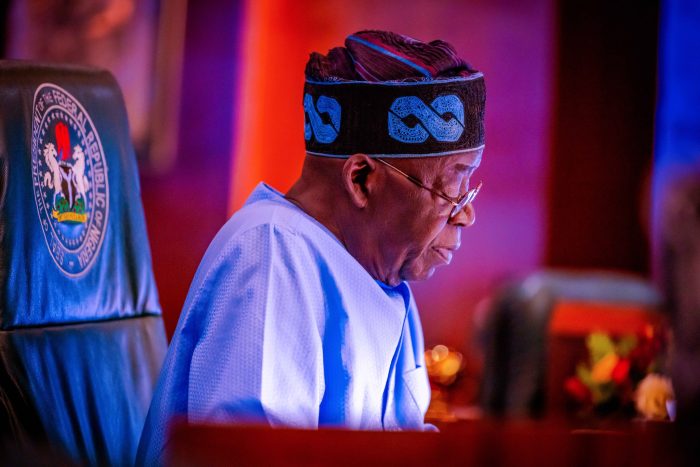
President Bola Tinubu government, on resuming office removed subsidy on petrol, then floated the foreign exchange market.
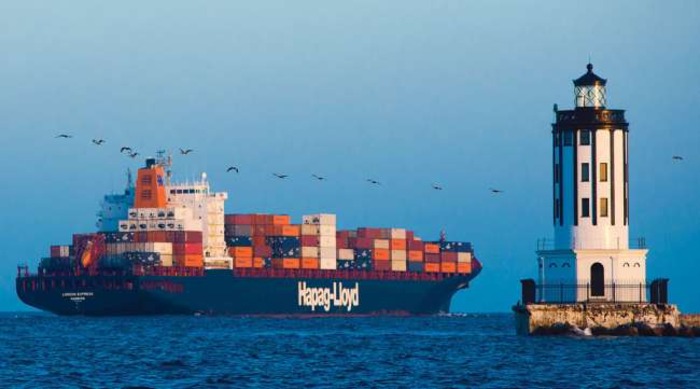
The effects of the president’s actions saw a surge in price of energy for homes and became a nightmare for importers of PMS who need over $15 billion to import the product from other parts of the globe.
Petrol Prices
The Nigerian National Petroleum Company (NNPC) Limited has denied plans to increase the pump price of petrol on the back of FX shortage.
“Dear esteemed customers, we at NNPC Retail value your patronage, and we do not have the intention to increase our PMS pump prices as widely speculated,” the state-owned oil company said on its twitter page.
“Please buy the best quality products at the most affordable prices at our NNPC Retail Stations nationwide.”
This is on the backdrop of indications from oil marketers that the price of petrol would rise to between N680/litre and N720/litre in the coming weeks should the dollar continue to trade from N910 to N950 at the parallel market, leading to uproar from the labour union.
The Nigeria Labour Congress vowed to proceed with a total shutdown of the economy if there is another increase in Petrol Pump price from the existing 617 naira, which it describes as “illegal”.
Read also Nigeria’s petrol import from Europe drops 48% since subsidy removal
Joe Ajaero, NLC President, made this known at the African Trade Union alliance meeting in Abuja, where organised labour also cautioned the government on ignoring their demands.
The pump price of the product currently stands between N570 to N600 per litre since the removal of fuel subsidy late May, 2023.
Meanwhile, the Central Bank of Nigeria, CBN, is optimistic about a turn-around in the FX situation in the country, as it reported an inflow of $1.41 billion for the month of June only, a figure that most likely would have risen in the month of July following savings from the expensive fuel subsidy removal and increased crude oil exports.
“This week, we expect continued pressure on the naira across all market segments, given that FX pressures will persist as dollar earnings remain weak, and demand for dollars outweighs supply,” United Capital research analysts said.