The new Us-japan trade deal is a triumph for the Japanese industry and offers a route to the elimination of US car tariffs, Tokyo’s chief negotiator has said in an interview with the Financial Times.
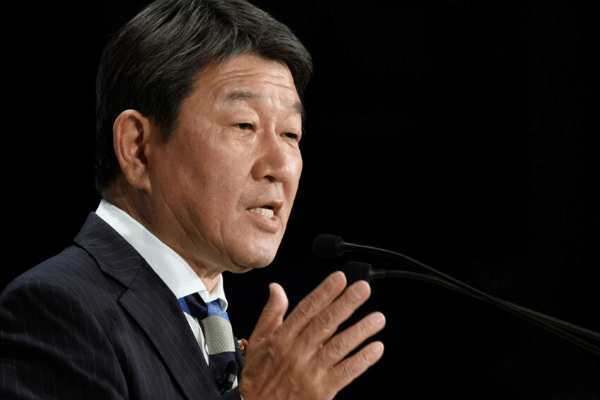
Toshimitsu Motegi, who became foreign minister in September after sealing the trade agreement with Washington, hailed it as a “major feat” and said the two countries will now consult on which sectors to tackle in a second round deal.
Mr Motegi’s comments show how he plans to secure parliamentary ratification for a deal that has attracted some criticism in Japan because it reduces Japanese tariffs on beef and other agricultural imports from the US without cutting US tariffs on Japanese cars or automotive parts.
The foreign minister, who is a close ally of Prime Minister Shinzo Abe and regarded as a possible future candidate for the premiership, said the US had given “unusually clear” assurances it will not impose Section 232 national security tariffs or seek quotas on Japanese car imports.

Such tariffs would have been a devastating blow to some of Japan’s biggest companies.
Mr Motegi said it was still possible to achieve the longstanding goal of cutting US tariffs on cars. “For automobiles and parts, it’s clearly written into the agreement that we won’t just continue negotiations, but conduct a further negotiation to eliminate tariffs,” he said.
Read also: Japan ups game at Lagos Trade Fair, seeks greater collaboration with Nigerian firms
US tariffs would have fallen in the proposed 12-member Trans-pacific Partnership trade deal, which was negotiated under former US president Barack Obama, but President Donald Trump quit that deal as one of his first acts in office. The remaining 11 countries then put TPP into effect, leaving US farmers at a disadvantage when selling to the Japanese market.
Under pressure from Mr Trump, Japan agreed to negotiate a smaller bilateral deal, eventually swapping a reduction in agricultural tariffs for more modest US concessions in sectors such as machine tools and musical instruments.

“On agriculture, this is within the level of our past trade agreements, and with the TPP11 already in force, it means the US is no longer in a subordinate position to other countries,” said Mr Motegi.
One of the biggest issues the new foreign minister will confront is the dispute with Seoul that arose over South Korean court rulings awarding damages for forced labour during the second world war. Mr Motegi warned South Korea not to liquidate the assets of Japanese companies in order to pay compensation. He hinted at the possibility of retaliation if Seoul went ahead, saying Tokyo would consider all its options.