The Nigerian, German government and the private sector have come together to strengthen the cold chain infrastructure in a move to boost the country’s security.
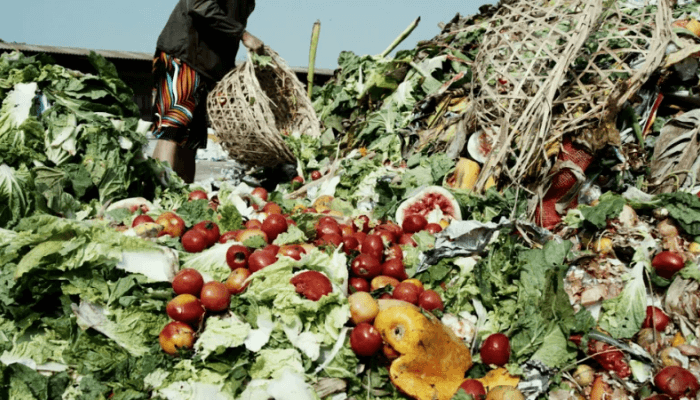
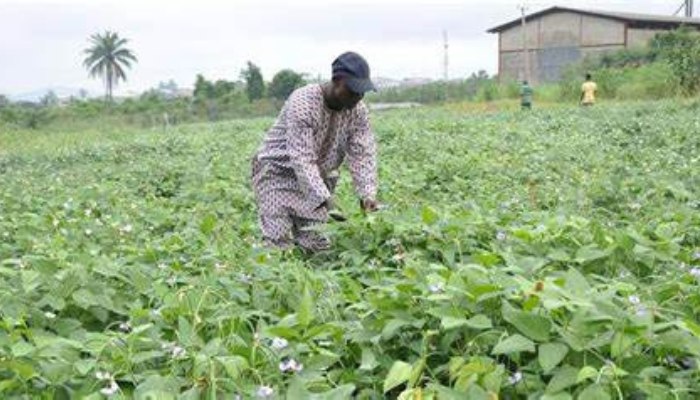
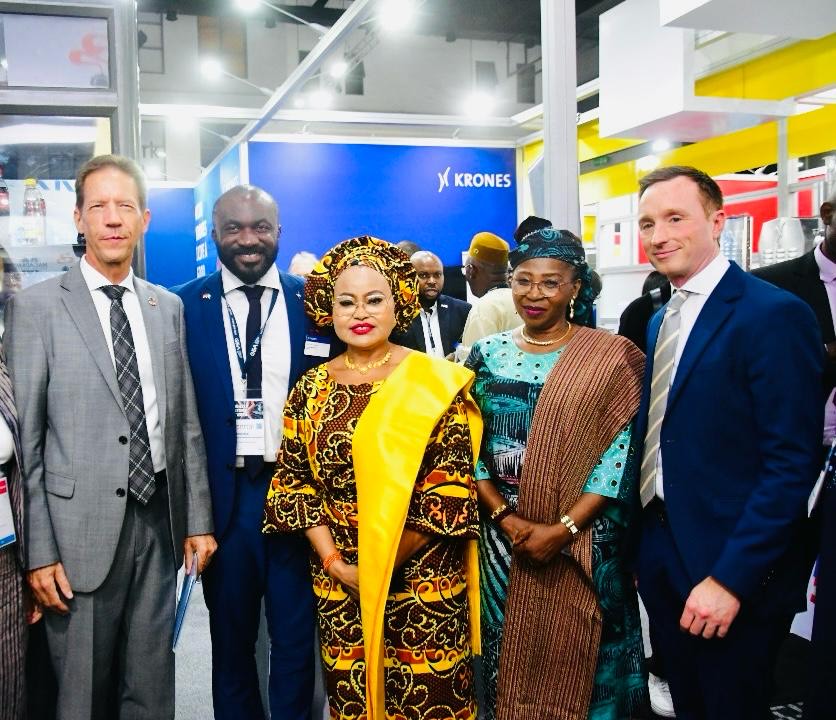
At the 2025 edition and 10th anniversary of the agrofood & plastprintpack exhibition in Lagos recently , stakeholders pulled together to discuss a way forward in reducing Africa’s most populous nation’s N3.5 trillion post-harvest losses.
Abubakar Kyari, minister of agriculture and food security, said achieving food security remains a major goal in the Tinubu-led administration, which begins by boosting production and reducing food loss.
“We gather at a critical juncture in our collective journey toward achieving food security, a cornerstone of economic stability and social well-being,” Kyari who was represented by Omolara Abimbola-Oguntuyi said.

The minister said the country is faced with unprecedented challenges—climate change, economic uncertainties, and health crises—that threaten the very foundations of food systems.
He said the federal government was doing everything within its capacity to ensure that bottlenecks limiting the sector are displaced.
“At the heart of our efforts is the ministry’s commitment to fostering a collaborative environment where stakeholders from various sectors can come together to share knowledge, resources, and expertise.”
Also, Babajide Sanwo-Olu, Governor of Lagos State, revealed four major ways through which the state was fighting hunger and food waste – including waste management and sustainability, th Lagos food systems and logistics hub, support for small and medium scale enterprises, and its Imota rice mill.
Read also: Experts call for increase in local sourcing, backward integration projects

“This exhibition aligns seamlessly with our administration’s THEMES+ Agenda, which emphasises industrialization, economic diversification, and environmental sustainability,” Sanwo-Olu said through his representative, Abimbola Salu-Hundeyin, secretary to the Lagos State Government.
He reiterated that Lagos remains a hub for agribusiness, food processing, and manufacturing because of its strategic location, vibrant consumer market, and expanding industrial base.
For Weert Borner, consul-general of Germany in Nigeria, the challenges and difficulties in Nigeria’s food value chain are driven by security issues, high costs of inputs, low productivity, various pests infestations, poor logistics, and climate challenges .
The German envoy stated that the German government is ready to support agrofood in Nigeria, noting that Nigeria is one of six Sub-Saharan countries that have over the years been on the list for intensified cooperation in agriculture.
Michel Deelen, consul-general of the Kingdom of the Netherlands, pointed out that his country has made a significant inroads in Nigeria’s agrofood sector and has remained its best trade partner for decades.