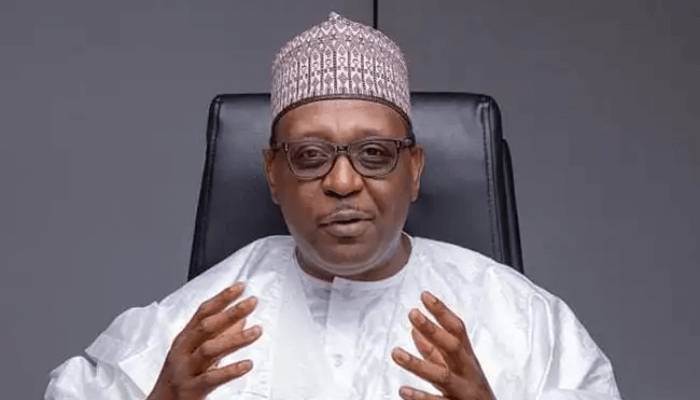
..Nigeria’s health budget still below 15% Abuja declaration traget – Pate
The Federal Government has intensified efforts to strengthen Nigeria’s primary healthcare system with the ongoing revitalisation of 8,800 primary health centres (PHCs) across the country.
Muhammad Ali Pate, Coordinating Minister of Health and Social Welfare, said the initiative was aimed at making frontline facilities functional, better equipped, and digitally connected to expand access to affordable care for millions of Nigerians.
Speaking at the National Health Financing Dialogue in Abuja on Tuesday, Pate noted that the Government had shifted away from building new Primary Health Care (PHC) facilities to revitalising existing ones, with more than 1,200 centres already refurbished.

“Resources from the Basic Health Care Provision Fund, though less than 50 cents per capita, are being channelled into making 8,800 PHCs functional”, he said.
He also highlighted new digital health platforms such as the Care 365 Health Hub, which are designed to expand access at lower cost.
The minister also urged a fundamental rethink of health financing in Nigeria, warning that the country risks stalling on key population health outcomes if resources continue to be channelled narrowly into disease-specific programmes.
Pate said Nigeria must broaden its focus beyond treatment of illnesses to include the social determinants of health such as water, sanitation, nutrition and housing, which have direct impact on wellbeing.
“For too long, we have viewed health through the lens of disease control. Yes, we’ve made gains with HIV, Tuberculosis (TB) and malaria, but the progress in universal health coverage has slowed, and financial protection has been moving in the wrong direction even before COVID-19.

“Households are paying a huge cost for care despite massive global and domestic investments”, he said.
He explained that while global financing mechanisms have supported commodities and vaccines, Nigeria’s real progress in health outcomes had been driven largely by domestic spending, both household out-of-pocket payments and public expenditure.
However, he stressed that government resources remain extremely limited, averaging just about $30 per capita annually across federal and state levels.
“With such limited fiscal space, the question is: if we had an additional $1 or $2 per capita, where should we spend it? Should we keep putting everything into commodities and vertical programmes, or should we invest in primary health care, nutrition, water and sanitation, and preventive health that give us broader outcomes?” Pate asked.
The minister traced the historical roots of global health to trade and disease control in the 19th century, noting that international public health was originally designed to protect commerce and borders from cholera, yellow fever and other transmissible diseases, rather than improving domestic population health.
That orientation, he said, has endured in today’s funding patterns, which favour narrow, disease-focused interventions over structural investments in communities.
Read also: Pate leads discourse as key health exhibition opens in Lagos
Pate warned that this imbalance leaves Nigeria vulnerable as the country grapples with a rising burden of non-communicable diseases (NCDs) such as hypertension and diabetes, which require stronger preventive systems rather than expensive late-stage care.
“We cannot dialyse every Nigerian with kidney failure or build enough hospitals to treat uncontrolled hypertension. Prevention, healthy lifestyles and social determinants matter and they cost less,” he said.
Responding to questions on nutrition, Pate stressed that the government is tackling malnutrition through a multi-sectoral approach led by Kashim Shettima, Nigeria’s Vice President.
He disclosed that initiatives under the “Nutrition 774” programme are designed to bring interventions to every local government, while the health ministry has distributed more than three million micronutrient supplement packages to pregnant women in the last year.
On financing, Pate acknowledged that Nigeria’s health budget has risen from 3.7% to over 5% of federal spending, but remains far below the 15% commitment made under the 2001 Abuja Declaration.
He called for states and local governments to complement federal efforts by committing their own resources.
“We cannot continue to leave Abuja holding the bucket. The federal government has done its part, but states and local governments must step up. Health outcomes won’t improve unless all levels of government align and invest together”, he said.
The minister stressed that as President Bola Tinubu pushes tax reforms to boost national revenue, Nigerians must be ready to support better services with higher tax compliance.
“Our expectations for better health, better education and better roads must match our willingness to contribute.
“With the right balance of public spending, private sector engagement, and community-level action, we can achieve more health for every naira spent”, Pate said.