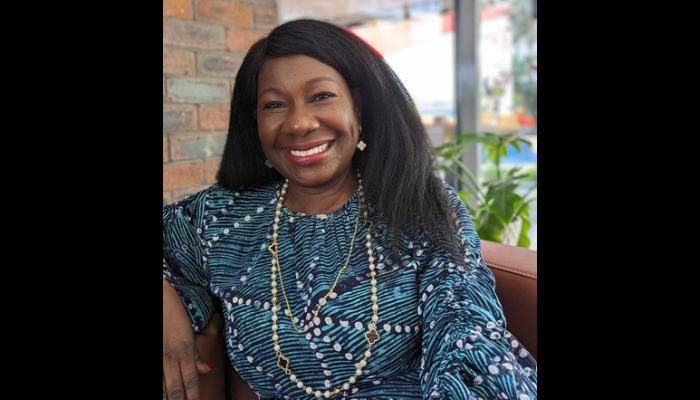
In a Channels Television interview, Ademola Oshodi, Senior Special Assistant to the President on Foreign Affairs and Protocol, explained that ambassadorial delays followed a “comprehensive review of Nigeria’s diplomatic architecture,” intended to align future appointments with national priorities rather than patronage.
“The President has been busy putting things in place for the envoys to be appointed and sent to foreign soils.” — Ademola Oshodi
Oshodi emphasised that missions abroad remain functional under Chargés d’Affaires while new ambassadors are selected based on merit and strategic fit. The approach aims to modernise Nigeria’s foreign service — making it more efficient, professional, and development-driven.
No diplomatic vacuum — but a visible gap

The Presidency insists there is “no diplomatic vacuum under Tinubu despite ambassadors’ absence.” Ademola Oshodi emphasised that President Tinubu has been “the country’s number one ambassador”, personally leading global engagements to attract investment and strengthen partnerships. While this reassurance provides context, it also underscores a broader question: can personal diplomacy by the President fully substitute for the institutional presence and continuity that ambassadors represent?
Reform priorities and the cost of delay
Oshodi explained that “the ambassadorial situation is a very strategic position taken by the President. We’re going through a tough reform process in the Nigerian economy, and resources are being prioritised. The administration has focused on more pressing issues such as infrastructure, security, and food supply.” This explanation highlights the government’s attempt to align diplomatic representation with domestic reform priorities. Yet, diplomacy itself is an extension of economic management — a mechanism through which nations attract capital, influence global policy, and secure cooperation for the very reforms being pursued.
Diplomacy as an economic tool
In practice, the difference between a mission that merely functions and one that advances national interests often rests on the presence of an ambassador—a political, economic, and cultural representative with both the authority and access to shape outcomes. The prolonged absence of ambassadors may not cripple routine operations, but it diminishes Nigeria’s diplomatic leverage, complicates protocol engagements, and reduces visibility at critical international forums.

Read also: Nigeria’s global diplomatic footprint remains weak 65 years after
Regional focus vs. global presence
Oshodi himself has argued for a more professional diplomatic corps, noting that ambassadors should have “skills for market development and negotiating trade”. This suggests that even within government circles, there is recognition that global representation must become more economically strategic. The delay in appointing such envoys, therefore, risks stalling the very reform momentum that the administration seeks to consolidate.
Responding to criticism that the President did not attend the last two sessions of the United Nations General Assembly (UNGA), Oshodi clarified: “I don’t believe the President takes the United Nations lightly. But he juggled his priorities and felt it was more important to focus on regional and continental issues—security in the Sahel, cross-border banditry, arms smuggling, and economic integration through ECOWAS and BRICS—all of which have a more direct impact on Nigerians.” This regional focus reflects a pragmatic recalibration of Nigeria’s foreign policy. Yet without empowered ambassadors to translate these priorities into sustained diplomacy, Nigeria’s global influence risks becoming episodic rather than institutional.
Reform must not mean retreat
Reforming the foreign service is necessary. But reform must not mean retreat. While it is encouraging that the President’s office continues to project leadership, Nigeria’s diplomatic strength depends on institutional presence — ambassadors who can interpret national priorities, build partnerships, and ensure that the President’s global agenda outlives any single administration.
A way forward
1. Publish a clear timeline: Transparency on nominations and confirmations reassures stakeholders.
2. Prioritise key missions: Fill critical posts first — major economic partners and strategic African neighbours.
3. Empower career diplomats: Professionalism must anchor representation, not patronage.
4. Define performance indicators: Track success through trade, investment, diaspora engagement, and influence.
5. Align diplomacy with development: Ambassadors should actively advance Nigeria’s economic and governance agenda stated in President Tinubu’s Renewed Hope Agenda.
Conclusion: Presence equals power
Diplomacy is Nigeria’s bridge to the world — and bridges must be manned. While the administration’s reform approach is understandable, the prolonged absence of ambassadors weakens Nigeria’s voice, given that global partnerships are being redefined.
To maintain its global standing, Nigeria must reoccupy the diplomatic stage—not merely as a participant, but as a confident, prepared, and persuasive voice for Africa and the world.
Oluwatoyin Adegbite-Moore: CEO, Sheafam and Tam Ltd.