Experts and medical practitioners have called on individuals to ensure adequate precautions and good hygiene practice to protect themselves from contracting COVID-19 which has had devastating impact on global economies in recent weeks.
The advice comes as the virus, which has killed over 3,000 people globally and recording new cases daily.
Nigeria has had its first case of the virus identified as the novel coronavirus has made its way into five other Africa countries; Algeria, Egypt, Morocco, Senegal, and Tunisia.
More recently, the virus has been spreading at a faster rate outside China than inside the country with more than 90,000 people across 73 countries are now infected.

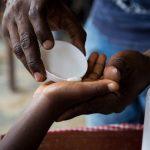
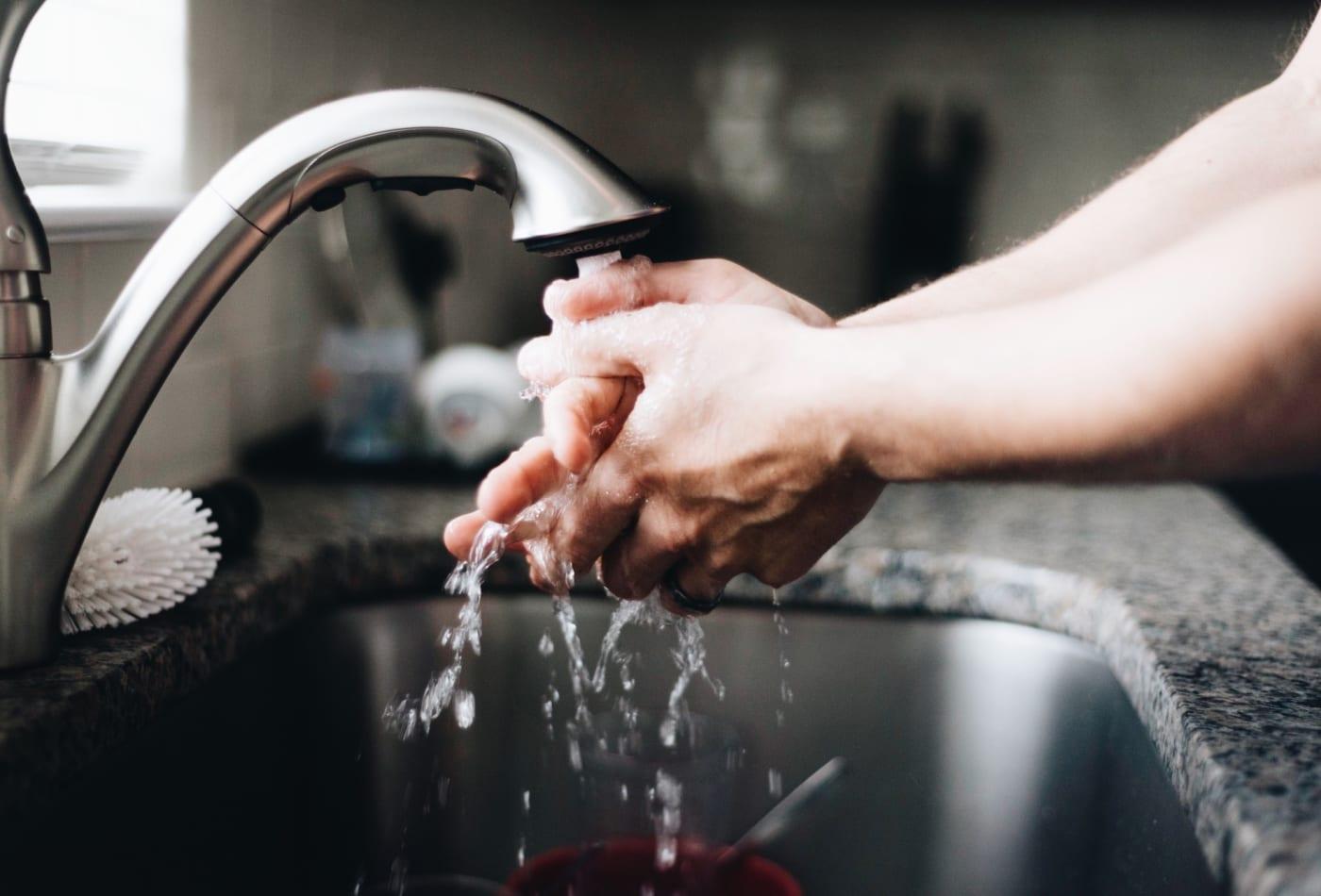
To contain the spread, medical experts have urged Nigerians to wash their hands regularly with flowing water and soap and use hand sanitisers where they cannot easily access water and soap to wash.
They also say that Nigerians should avoid using their hands on their face, nose and mouth to prevent the virus from entering the body.
But this basic hygiene practice has been very difficult for some Nigerians, as they find it difficult to adapt to the preventive measures of coronavirus owing to their poor hygienic practice before the outbreak, BusinessDay’s survey shows.
“I am not used to always carrying hand sanitizer with me everywhere I go and also to be washing my hands regularly,” a middle-aged Nigerian banker who asked for her name to be withheld told BusinessDay.
“I read that I should wash my hands for at least 21 seconds and on a running tap, I am used to washing my hand in a bowl and not for up to 20 seconds, so I am finding it difficult following all the preventive measures,” a shop attendant who simply identified himself as Earnest said.

“The more we learn about hygiene practice the better possibilities that the spread of the virus will be controlled with public health measures,” said Oladoyin Odubanjo, chair, Association of Public Health Physicians of Nigeria (APHPN), Lagos Chapter.
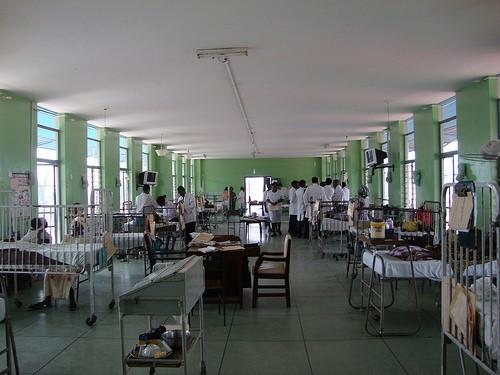
Odubanjo said it is impossible to predict what the impact of that the spread would be and would likely pose significant challenges to health care facilities.
“We need to plan for the possibility containment and that is why an individual should take their hygiene seriously. It is a responsibility of individuals, government, health workers to be at more alert,” he said.
Similarly, during this situation the warning from America’s top doctor from the U.S. Centers for Disease Control and Prevention states that “the best way to protect yourself and your community is with everyday preventative actions, like staying home when you are sick and washing hands with soap and water, to help slow the spread of the respiratory illness.”
Health officials have said the respiratory disease is capable of spreading through human-to-human contact, droplets carried through sneezing and coughing and germs left on inanimate objects.
The virus appears to be particularly troublesome for older people and those with underlying health conditions.
Symptoms can include a sore throat, runny nose, fever or pneumonia and can progress all the way to multiple organ failure or death in some severe cases.
Yusuf Larne, a medical practitioner at The Lister Medical Centre Lagos says, “It is a natural human behaviour whenever there is distress, humans naturally find a way out of the distress as soon as the pressure is removed, people relax. When people are afflicted with an infection, they take precautions and quickly abandon them after they feel better.”
Lanre says we have to imbibe the habits of washing our hands often; prevention of exposure to epidemic cannot be over emphasized, calling for a consistent programme to deepen awareness across the country to prevent the spread.
ANTHONIA OBOKOH