In Nigeria, one thing you can always count on lawmakers to produce is investigative committees. The House of Representatives has turned the announcement of investigative committees into something of a ritual. A fresh scandal or controversy arises, outrage follows, and before long the Speaker is on the floor, reeling out the names of yet another ad hoc committee set up to “investigate” the matter.
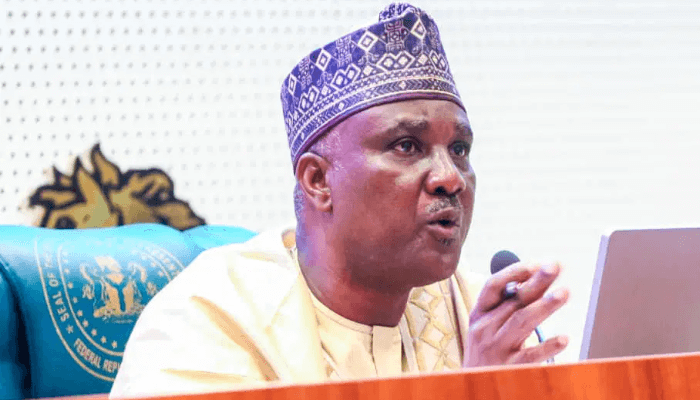
Before its ongoing recess which began in July, the House was particularly energetic. More than a dozen committees were rolled out in a one day. Abbas Tajudeen, speaker of the House of Representatives announced more adhoc committees to tackle what he described as “urgent public concerns.”
On the list were probes into illegal mining, border security, mismanagement of oil spill clean-up funds in the Niger Delta, flood response, the “naira for crude” policy, preparedness for a single-use plastic ban, and agricultural subsidy programmes.
Read also: Ebonyi probes Ihietutu mining pit collapse as families, firm mourn victims

Others were tasked with examining drug trafficking and abuse, Nigeria’s national decarbonisation plans, the regulatory and security implications of cryptocurrency and point-of-sale operations, the expenditure of intervention funds on security, the failure to repatriate crude oil proceeds, and even the persistent abandonment of federal roads leading into Calabar despite repeated budgetary allocations.
To underscore the seriousness of the moment, the committee on Petroleum Resources (Downstream) also launched ten technical sub-committees of its own, all tasked with sniffing around Nigeria’s troubled energy sector.
The sense of urgency was hard to miss. If you were watching from the gallery, it might have seemed as though lawmakers were gearing up for a major clean-up of public life. At last, it appeared, parliament was going to hold powerful people accountable for the mismanagement, corruption and incompetence that Nigerians complain about daily.
The sheer breadth of issues gives the impression of a legislature determined to leave no stone unturned. But then came the silence.
Weeks later, very little to nothing has been heard from most of those committees. The fanfare that greeted their inauguration has given way to a familiar quiet. No reports, no press briefings, no revelations. The probes that once made headlines have slipped, as they often do, into obscurity.

It is a pattern Nigerians know too well. Over the years, the House has announced investigations with great publicity only for them to vanish without trace. The reports rarely make it to the public domain. Names of culprits hardly appear. Sanctions are rarer still. Citizens, long used to this cycle, have learned to expect little.
Consider the allegations earlier this year that the United States Agency for International Development (USAID) and several international and local NGOs were indirectly funding Boko Haram and ISWAP. The House pounced on the matter, promising to dig deep.
Six months on, nothing has been heard. It is the same story with the high-profile inquiries into crude oil theft—an issue that costs Nigeria billions of dollars annually. Big promises, little follow-through.
Read also: EFCC fires back at ADC over allegations of politically motivated probes
Still, the committees keep coming.
To be fair, some observers argue that the committees could still make a difference if lawmakers take them seriously. Transparency, they insist, is key. Publishing reports, naming names and pushing the executive to act on recommendations would give real meaning to the probes. But that would require political will—and a readiness to confront vested interests that many doubt the House possesses.
For now, Nigerians have seen this movie before. The promises of accountability, the headlines, the photo-ops, and then the slow fade into silence. With so many pressing national crises ranging from an economy under strain to worsening insecurity, the patience for political rituals that lead nowhere is wearing thin.
The House may continue to churn out committees, but the bigger test lies in delivering results. Until then, citizens are left with the same uncomfortable question: where are the probes?