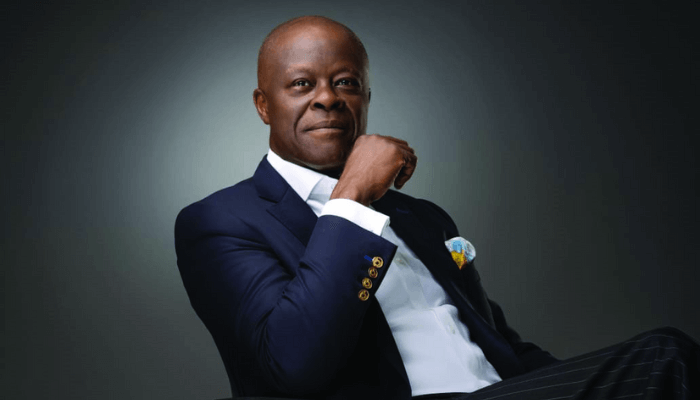
Wale Edun is Nigeria’s current Minister of Finance and holds the position of the coordinating minister in charge of the economy. He was appointed to the position in August of 2023. He had had a long association with President Bola Tinubu, but he was easily the one the Nigerian private sector canvassed for the job, largely on account of his impressive private sector credentials.
Since being appointed, many business leaders and analysts have been quite vocal in pointing in the direction that the minister should take the Nigerian economy.
On Thursday, August 14, Edun hosted a press conference at the headquarters of the ministry in Abuja, where he took wide-ranging questions on the economy from journalists, including some representing the international media.
BusinessDay had a high-level representation at the media briefing, which began with a statement by Edun before going on to take questions.

The minister began his statement by providing an intelligent snapshot of the economy, where he highlighted the changing structure of the economy of Africa’s most populous nation. He said the new structure is allowing government policymakers and others to appreciate growth in hitherto unseen sectors.
He noted the fact that the monetary policy rate remains elevated and admitted that this challenges private sector borrowing while also raising debt servicing costs for the government. But he said it was clear to all that the monetary authorities were right to fight inflation via monetary tightening.
Edun noted investor confidence was rising while acknowledging the nearly 10 percent growth in exports and vastly improved foreign reserves, and the resulting stability in the foreign exchange rate.
According to him, the federal government has instituted more discipline in managing its finances to the extent that it has stopped unauthorised borrowing via the notorious ways and means that defined the Muhammadu Buhari administration.
The minister said the increase in gross revenues means that the government now has greater fiscal headroom, which has allowed it to pay almost N2trn to contractors while it is also undertaking reimbursements to the states.

Edun was particularly keen to stress the significant improvement in the financial health of the states, which is allowing them to commit to capital expenditures that can deliver democracy dividends to Nigerians across the country. Oil production levels are rising, according to the minister, who also said that the tax reform acts are helping Nigeria tread a more progressive tax path that will improve the status of Nigeria as an investment destination.
However, the drop in oil prices is hobbling Nigeria’s oil revenue collections, and although he said there had been no electricity grid collapse in 2025, a vast number of Nigerians remain outside the grid coverage.
Edun said it made sense for the government to target a GDP growth level of 7 percent in 2026 and subsequent years, when he said the government’s actions will be driven by critical investment in key sectors while also seeking to attract enhanced private sector spending as well.
The minister said to speed up inclusive development, the federal government will be undertaking a programme to empower 1,000 Nigerians in wards across the 774 local governments through a well-thought-out credit extension to make them more productive.
On agriculture, he said Nigeria must do better than the less than one percent GDP growth that trails population growth.
Going forward, Edun said the government was working on reducing the cost of collection retained by key revenue agencies such as FIRS, NUPRC, Customs, NIMASA, and NNPC, which have been ordered by the government to optimise production and rationalise holdings.
Because the government continues to experience constraints in the fiscal, he promised a very stringent verification of the debts owed to the power sector, estimated at N4trn, before payment is made.
He hinted that this will be followed by gradual easing out by the government because of worry that the subsidy may be masking inefficiency in the costing structure of those benefitting from the electricity subsidy.
The minister pledged that the Ministry of Finance Incorporated (MOFI) will be reaching out to partners to optimise government assets across the country in real estate that has been left to rot for years, and appropriate decisions will be made whether to sell them off or to join with the private sector to maximise the value of these assets.
In answering the many questions posed to him, the minister acknowledged the high expectations of Nigerians but seemed well at home with his huge task of leading the nation from painful reforms to economic recovery and growth.