|
Getting your Trinity Audio player ready...
|
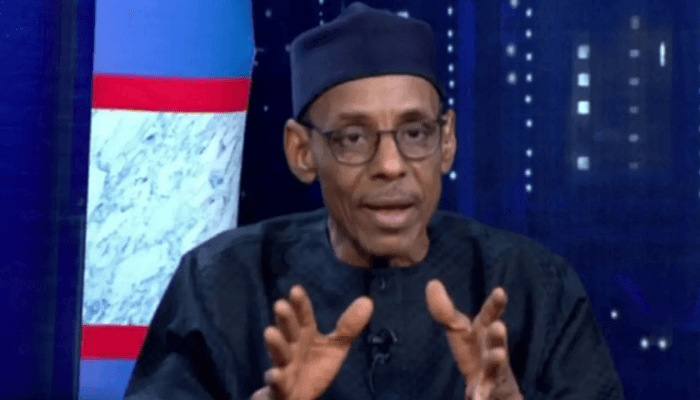
Hakeem Baba-Ahmed, a prominent Northern leader who recently resigned as special adviser on political affairs in the office of Vice President Kashim Shettima, has revealed that President Bola Tinubu is “genuinely isolated” from his advisers and ministers, leaving critical voices unheard and key decisions unchecked.
In his interview on Arise News on Monday, Baba-Ahmed said that his role, while prestigious on paper, was hollow in practice.
“On paper, it was a great job. I mean, it was a huge responsibility to be the political adviser to a president in the office of the vice president. It was an enormously important job on paper, but it depends on if it’s actually actualised in real life. It wasn’t. It was very frustrating,” he said.
He described a presidency where access to the president is tightly controlled and meaningful engagement rare.

“I saw the Vice President virtually every working day. We talked, we discussed the country. But Nigeria requires a lot more than talking with the Vice President,” he said. “I never had a chance to sit down with the president.”
Asked how many times he met Tinubu during his 18-month stint, Baba-Ahmed replied: “I met him three times in the mosque in the villa, and we sort of shook hands.”
He emphasised that his inability to directly engage the president was symptomatic of a broader issue within the presidency.
“The president really is genuinely isolated — whether it’s by choice or by circumstances we don’t understand. The bottom line is he ought to be available to a lot more of the people that he has trusted either to run ministries or departments or to advise him, and he isn’t,” he said.
Baba-Ahmed underscored that his decision to resign was not a personal affront but rooted in frustration over the administration’s direction and missed opportunities.

“It would have been easier if it was just about me, am I busy? Am I lazy? Am I just going there to the villa to feel good?” he said. “I felt I could have been a lot more useful to the country and to the administration.”
He added: “I believe I had something to offer. Because the reason why they asked me to go there was not to sit idle and watch a lot of things going wrong.”
The former aide described the structure of the Nigerian presidency as one where the Vice President’s office is inherently limited, with much depending on the “chemistry” between the president and his number two.
“So much depends on what the number one does. And if the president doesn’t really feel that the office of the vice president is central to his success or useful, you just sit it out. We’ve seen that many times,” he said.