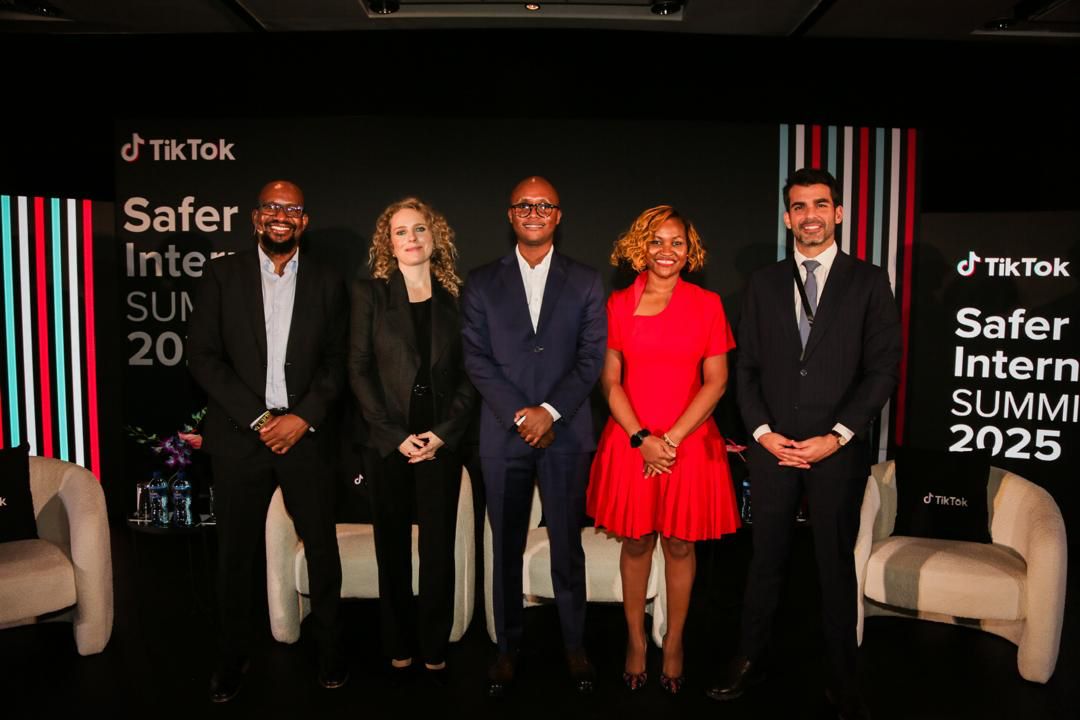
TikTok held its second Annual Sub-Saharan Africa Safer Internet Summit in Cape Town, South Africa, bringing together government officials, digital regulators, and industry leaders from across the region to discuss pressing issues surrounding online safety, content moderation, and digital policy development. The summit saw participation from representatives of several African countries, including Nigeria, South Africa, Kenya, Ethiopia, Cameroon, and Côte d’Ivoire.
The summit focused on the role of technology companies, governments, and other stakeholders in establishing frameworks that protect users from online harm while also addressing the complexities of regulating digital spaces. TikTok used the event as an opportunity to highlight its ongoing content moderation efforts and to engage with policymakers in Sub-Saharan Africa about digital safety.
Government and Industry Leaders Discuss Online Safety and Regulation
The event began with remarks from South Africa’s Hon. Solly Malatsi, Minister of Communications and Digital Technologies, who emphasized the need for cooperation between governments, technology companies, and communities to address online safety concerns. Malatsi pointed out that creating a safer digital environment requires collaborative efforts from all sectors involved.

Helena Lersch, TikTok’s Vice President for Public Policy, reinforced the company’s stance on the need for robust online safety measures, stating, “Billions of people use TikTok daily, and we are continuously refining our policies to help maintain a safe environment. This summit is an opportunity for industry leaders and regulators to come together to discuss the challenges and solutions needed to safeguard users.”
Fortune Mgwili-Sibanda, TikTok’s Director of Public Policy & Government Relations for Sub-Saharan Africa, highlighted the importance of discussions that address the safety of young users, especially in the African context, where digital engagement is rapidly increasing.
Content Moderation and Policy Enforcement
A significant topic at the summit was TikTok’s approach to content moderation across Sub-Saharan Africa. TikTok reported a 249.81% increase in the removal of content from Q2 2023 to Q4 2024, reflecting the company’s focus on adhering to community guidelines and removing harmful content. However, the platform also noted the challenges in managing harmful material and ensuring that its moderation systems are effective.
TikTok’s Community Guidelines Enforcement Reports show a growing reliance on automated systems to flag and remove content. In Sub-Saharan Africa, the platform removed over 7.5 million videos in Q3 2024 and more than 8 million in Q4 2024, with a large proportion of these removals occurring before users filed reports. This proactive approach is part of TikTok’s broader strategy to enforce its guidelines, though concerns about the accuracy and transparency of automated systems remain prevalent in the digital safety discourse.

SaferTogether Campaign: Efforts to Address Digital Literacy and Safety
TikTok’s #SaferTogether campaign, which is focused on educating users about online safety, digital literacy, and responsible content creation, has been expanded across Africa, including Nigeria. The campaign has been active in raising awareness about potential online risks, but its effectiveness in ensuring long-term changes in user behavior remains an ongoing challenge.
In Nigeria, the second phase of the campaign is being implemented in partnership with the National Information Technology Development Agency (NITDA) and Data Science Nigeria (DSN). Following the initial phase, which focused on educating parents in major cities like Lagos, Abuja, and Kano about the platform’s safety features, Phase 2 aims to extend outreach to other regions and involve more stakeholders, including teachers and guardians.
While the campaign has reached a wide audience, the long-term impact of such initiatives on user behavior and digital safety awareness is still to be fully assessed.
Digital Literacy and Media Awareness in Africa
TikTok has also worked with organizations across Sub-Saharan Africa to improve digital literacy and media awareness. In Kenya, the platform partnered with Eveminet, a youth protection organization, to host workshops that provided over 400,000 participants with information on responsible online engagement.
In Egypt, TikTok signed a Memorandum of Understanding (MoU) with the Journalists Syndicate to promote media literacy and address issues such as misinformation and online privacy. These collaborations reflect the platform’s ongoing efforts to provide resources for safer digital engagement, though questions about the broader effectiveness of such programs in addressing systemic issues in the region remain.
Global Youth Council: Inclusion of Young Voices in Policy Development
TikTok has expanded its Global Youth Council, which was launched in 202,3, to allow young users to contribute to the company’s policy development process. The council now includes 28 members from 15 countries, with additional representatives from Nigeria and other Sub-Saharan African nations. The council’s role is to provide input on issues such as safety, well-being, and inclusivity, helping ensure that the voices of young people are part of the conversation about platform policies.
While the Global Youth Council represents an effort to engage young people in decision-making, it remains to be seen whether the recommendations made by the council will lead to significant changes in the platform’s policies or whether such initiatives will be sufficiently impactful in addressing the complex challenges surrounding digital safety.
A Call for Broader Cooperation in Digital Safety
The Safer Internet Summit highlighted the ongoing efforts by TikTok and other stakeholders to address digital safety concerns in Sub-Saharan Africa. While the platform has taken steps to improve content moderation and user safety, challenges such as the effectiveness of automated systems, transparency in content removal, and the long-term impact of safety campaigns remain central to discussions in the digital safety space.
The summit provided a forum for policymakers, regulators, and industry leaders to explore solutions to these challenges, but the effectiveness of these efforts will depend on continued collaboration and the development of comprehensive, region-specific strategies.
For more information on TikTok’s safety policies and initiatives, visit the platform’s Safety Centre, Guardian’s Guide, and Teen Safety Center.