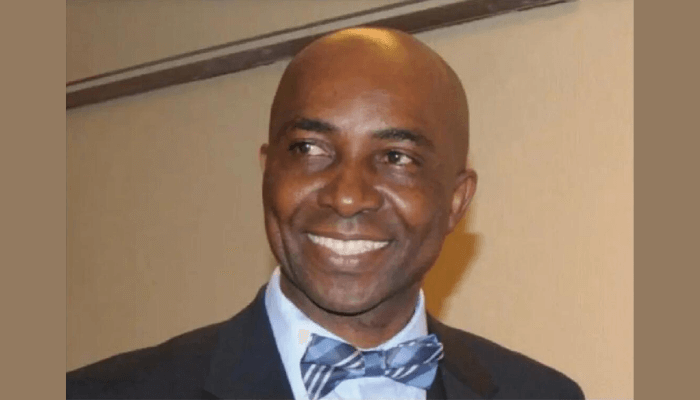
Nigeria’s office of the tax ombud has pledged stronger protection and fairer treatment for taxpayers as it rolls out guidelines aimed at safeguarding taxpayer rights, building trust in the tax system and encouraging voluntary compliance, a move seen as critical to the country’s broader fiscal reform drive.
The assurance followed a meeting in Abuja between John Nwabueze, Chief Executive Officer of the office of the tax ombud, and members of the presidential committee on fiscal policy and tax reforms, led by its chairman, Taiwo Oyedele. The delegation also included Olusegun Adesokan, Executive Secretary of the Joint Revenue Board, and underscores growing coordination among institutions overseeing Nigeria’s tax architecture.
Nwabueze described the Office of the Tax Ombud as a newly established independent mediator and arbiter designed to promote fairness and transparency in Nigeria’s tax system, at a time when the government is seeking to expand its revenue base while improving the investment climate. He said the office’s mandate aligns with President Bola Ahmed Tinubu’s Renewed Hope Agenda, which prioritises economic competitiveness and improved governance.
Read also: Benin dangles tax breaks to coax Nigerian manufacturers

As part of its strategy, the ombud plans to deepen engagement with the organised private sector, including the Manufacturers Association of Nigeria, to ensure that taxpayers are fully informed of their rights and obligations under existing tax laws. Nwabueze said the Office would prioritise outreach and education as a way to reduce disputes and improve compliance. “We will launch sustained public awareness campaigns to educate taxpayers on their rights and the seamless processes for lodging complaints. We will also engage the Manufacturers Association of Nigeria and other relevant stakeholders to clarify their rights and obligations under Nigeria’s tax laws,” he said.
He also commended the presidential committee on fiscal policy and tax reforms for developing a comprehensive operational framework for the office, noting that it aligns closely with the Ombud’s internal processes and strategic plans.
The framework is expected to guide how the office handles complaints, mediates disputes and interfaces with tax authorities across federal and subnational levels.
Oyedele said the success of the administration’s tax reform agenda depends in part on the effectiveness of the tax ombud, describing the institution as a key signal of the government’s commitment to fairness and taxpayer protection.
He pledged continued support for the office, particularly during its formative stage, to ensure it can effectively carry out its statutory mandate.

The meeting also reviewed broader strategies for strengthening Nigeria’s tax system, including closer institutional collaboration, improved policy coordination and enhanced taxpayer protection under the existing tax implementation framework committee, as authorities seek to balance revenue mobilisation with confidence in the system.