… UNILAG’s Business School holds its first quarterly business seminar
Eminent Nigerians have called on the country’s political leaders to emulate Singapore’s Lee Yew strategic and visionary leadership that saw the country build and sustain progressive economic growth over the decades.
Nigerian intellectuals and industry leaders who spoke at the University of Lagos Business School’s (ULBS) 2025 quarterly business seminar series 1.0 held on Friday, March 21, with a theme: “Strategic Leadership and Wealth of Nations: The Nexus” emphasised the need visionary leadership in the country in the form of Lee Yew of Singapore to build a sustainable economic system.
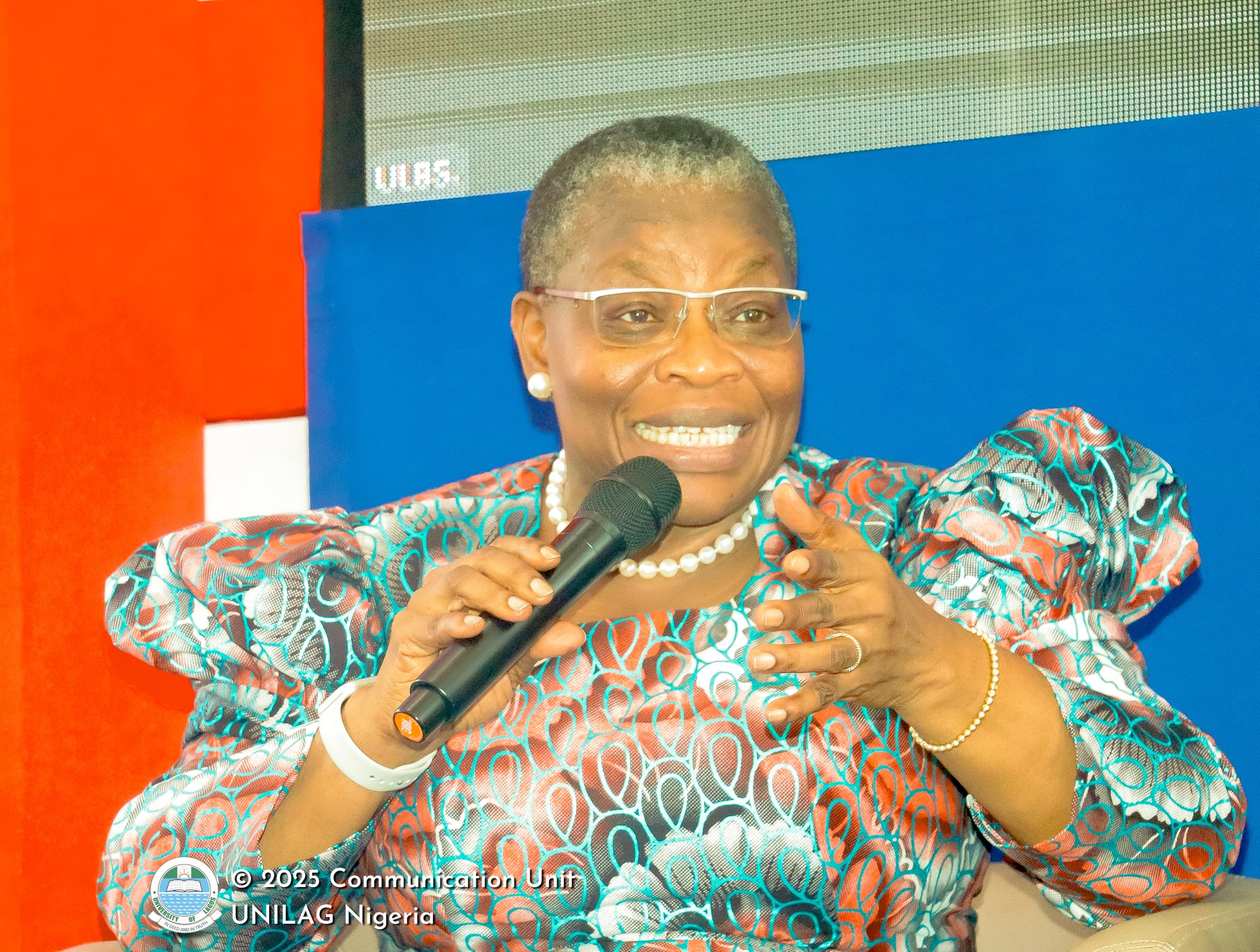
Oby Ezekwesili, president of Human Capital Africa, said one of the key characteristics of strategic leadership is the ability to articulate and pursue a long-term vision that transcends short-term political or economic pressures.

“A powerful example of this is Lee Kuan Yew’s leadership in Singapore. Under his stewardship, Singapore’s leaders implemented policies that prioritised education, infrastructural development, and the cultivation of a skilled workforce,” she said.
Ezekwesili explained that the economic transformation that followed Singapore’s leadership example was not a result of chance but of deliberate, long-term planning.
Lee Kuan Yew, she said, envisioned a highly developed and prosperous Singapore that could overcome its limited natural resources, and he implemented policies that positioned the country as a global financial hub.
The former education minister said by focusing on education and attracting foreign investment, Singapore grew its GDP per capita from just $516 in 1960 to over $65,000 in 2020, a remarkable growth story built upon policy consistency and a focus on human capital development.
She reiterated that visionary leadership should be based on the needs of the people and the country’s potential for growth.

“Visionary leaders are people who can see beyond the immediate horizon and create an environment in which consistent, forward-looking policies are implemented,” she said.
Tunde Bakare, serving overseer at Citadel Global Community Church in his speech disclosed that one of the impacts of visionary leadership is hope.
“The capacity to communicate a vision of a preferred future stirs up hope in the hearts of the followers. Let me also state that I am mindful that the agenda of Nigeria’s current president is christened “Renewed Hope,” but this is not about President Bola Ahmed Tinubu.
“The issues afflicting our nation are fundamental in scale and historical in scope. They strike at the core of our sociopolitical culture, governance structure, and institutional architecture,” he said.
Bakare said the founding fathers of the Nigerian nation were moved by genuine hope inspired by a vision to sit at the table of brotherhood to negotiate the country’s union based on an acceptable governance structure.
“The vision was that of a Nigeria that every Nigerian would be proud of, a nation that would lead the rest of Africa out of colonial bondage into freedom and prosperity.
“One of the key strategies by which our founding leaders sought to achieve this vision was a governance structure that would ensure that every part of the nation was optimally and competitively productive, with each subnational entity having sufficient incentives to develop competitively,” he said.
He lamented the fact, Nigeria which at independence in 1960, according to World Bank data which suggests that the country made slight progress with a GDP per capita of $93.4, the average Nigerian ranked 10th in terms of economic standing and standard of living.
But today, the narrative is different because of the lack of visionary leadership.
Oluwayatoyin Ogundipe, immediate past vice-chancellor of the University of Lagos advocated for tertiary institutions and religious organisations to make visionary leadership part of their teachings to catch them young.
“We need to teach young ones about leadership in schools, churches and mosques. We should teach them that this country belong to all of us, that’s how we can move this country forward,” he said.
Mike Adebamowo, executive director at ULBS earlier in his address said the quarterly business seminar series are designed to generate innovative ideas for effective leadership in the private and public sectors of the nation.
Dignitaries at the seminar include Folasade Ogunsola, the vice-chancellor of UNILAG; Funke Osibodu, chairman of ULBS Advisory Board; Olaolu Olabimtan, commissioner for Budget and Planning, Ogun State; Simeon Ifere, DBA Programme Director; Adeola Akinyeye, deputy registrar, admin secretary & secretary to Advisory Board; and Folake Olowokudejo, Programme Coordinator, Executive MBA.