Stock investors in the Nigerian market are caught in the web of loss as evidenced in the continued haemorrhage of Nigerian equities.
With over N1.15trn already lost to October sell-off wind, the possibility of regaining this lost value is now in question even as investors still moved into November with the value of their equities still in decline.
A generally positive tone to third-quarter (Q3) corporate earnings reports has not helped provide momentum to the stock market, particularly at the start of a new month.
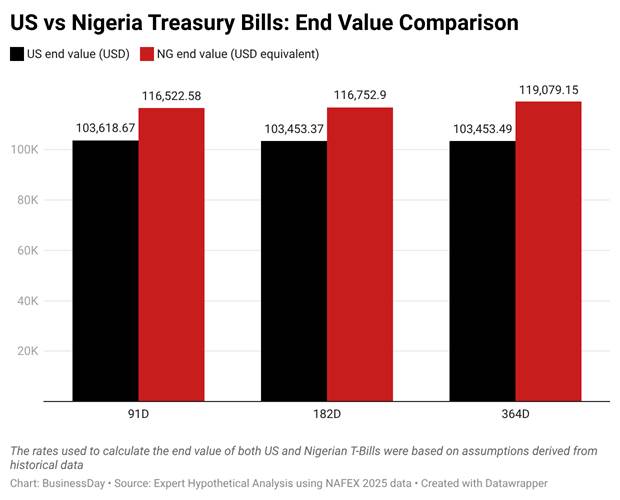
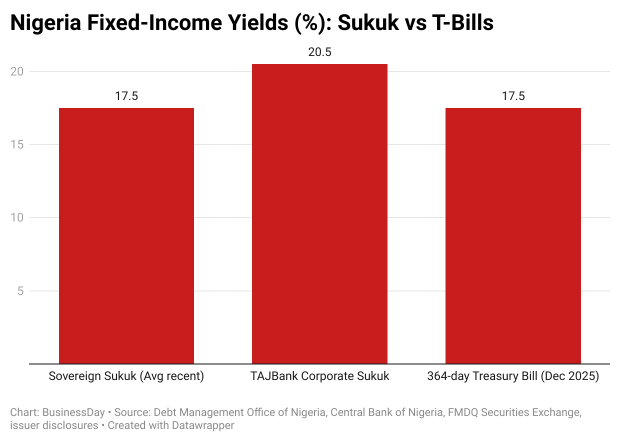
Amid renewed sell pressure which makes equities remain unattractive, the fixed income market and short term government debt instruments like Treasury Bills (T-Bills) have continued to benefit.

While volatile forex, heightening election risks, and impact of CBN monetary tightening stance continue to hamper investors appetite for Nigerian equities, the possibility of future rebound remains dark in amidst end of Quantitative Easing (QE).
The end of quantitative easing has made rates in developed markets attractive, now affecting foreign funds inflow into emerging market like Nigeria.
READ ALSO: How flawed promise of returns trapped Nigerian agri-business investors’ funds
“The depreciation in the equity market is connected to profit taking activities by investors. This week, the market may improve, as the profit taking activities scramble for undervalued stocks with impressive third-quarter (Q3) results,” according to market analysts at Access Bank plc.
Also, market analysts at UBA Capital plc, an investment firm based in Lagos attributed the bearish sentiment in the equities market to negative reaction of “weak Q3 results particularly from large cap stocks in the financial services, Consumer goods and Industrial sectors.”

These analysts added, “The market has received Q3 results from almost all major companies with no surprises to trigger a shift in sentiment; hence we do not see any possible market rebound on the back of Q3 earnings. The current macro-economic and socio-political concerns will remain key considerations by foreign and domestic institutional investors;” although they did not rule out some position-taking by investors at rock bottom prices, adding that “we expect the market to remain relatively bearish this week.”
The Nigerian equities market witnessed what market analysts termed a return of the bears, as market closed in the red in all the five trading days of the week. Last week, the Nigerian Stock Exchange (NSE) All Share Index (ASI) declined by 3.93 percent; the equities market capitalisation lost N496bn in just one week to N12.43trn, and pushed the YtD return further negative in excess of -9.1 percent.
In their views, analysts at Meristem Securities said, “Given the general bearish mood witnessed in the market in October and the consequent attractiveness of the market, we suspect that whiles the bearish trend may still be noticeable in November, barring any positive news to drive the market upwards, support from bellwether and defensive stocks may keep the market upbeat. We therefore advise investors to balance optimism with caution.”
Analysts at Cowry Asset Management, also an investment firm based in Lagos seem optimistic as they anticipate a mixture of bargain hunting and sell offs “given the attractive prices of companies that showed strengthened fundamentals in the third quarter earnings seasons.”
Iheanyi Nwachukwu