Constant changes of fiscal policies guiding importation of commodities and long procedures of clearing documents are the major reasons why cargo clearance is delayed at Nigeria’s seaports, said industry stakeholders.
The stakeholders are of the view that transiting from an existing fiscal policy to another without creating an enabling environment for the agency involved to manage the challenges as well as the bottlenecks that may result from such changes end up making cargo clearance very cumbersome for importers and their agents.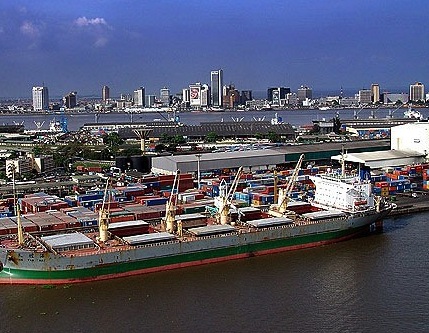
Speaking at a roundtable in Lagos on ‘Cargo Exposure to Risks of Damage, Loss and Delay at Nigerian Ports and Terminals’, Vicky Haastrup, executive vice chairman, ENL Consortium, observed that the change in structure of destination inspection regime is currently causing
heavy delay in cargo clearance at the ports.

“Most of the importers who imported goods into the country since November 2013 have not been able to clear their goods out of the ports due to the clearing bottlenecks created by the transition from Risks Assessment Report, formerly issued by destination inspection service providers to the newly introduced Pre-Arrival Assessment Report (PAAR)”, she said.
Hasstrup further said that government agencies including Customs, Port Health, Quarantine and Nigerian Immigration Service that are involved in the inspection of laden vessels at the port, also contribute to the delay in cargo clearance.
“This is because terminal operators would not be allowed to commence cargo discharge without the approval of these agencies, which takes hours to come”, she said.
BusinessDay finding reveals that Nigerian economy loses about $150 million (N24billion) annually to the delay of cargo by government agencies that perform statutory checks on vessels that call Nigerian ports. A Nigerian bound vessel experiences an average of four hours delay and this costs an estimated sum of $30,000 (N4.8 million), which will be consequently passed on to the importers of the consignments that are on board the vessel.
One document used in clearing a cargo out from Nigerian seaport has to pass through many tables that include Customs, banks, terminal operators, shipping companies and others before the cargo is allowed to leave the port to the importer’s warehouse, said Efioita Ephraim of Nigerian Ports Authority (NPA).

Also, a report by the Independent Corrupt Practices and other offences related Commission (ICPC) revealed that over 79 signatures, which indicate approval by the concerned agencies and operators, are needed for the release of cargoes at the ports.
AMAKA ANAGOR