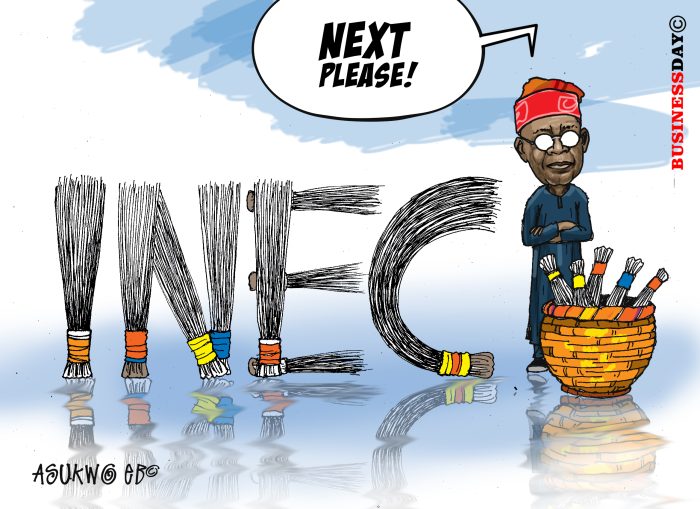
Nigeria’s democracy is approaching a defining test, not of electoral participation, but of electoral credibility. The question confronting the country ahead of the 2027 general elections is no longer whether Nigerians will vote but whether citizens will continue to believe that voting meaningfully determines political power. At stake is not simply the outcome of future elections but the endurance of public trust in democratic institutions themselves.
At the centre of this dilemma lies a contradiction embedded within Nigeria’s amended Electoral Act. The law encourages electronic transmission of election results to enhance transparency and simultaneously preserves manual collation as an alternative whenever technology is deemed unavailable or inadequate. Designed as a safeguard against technical failure, this dual framework has instead produced uncertainty about which system ultimately carries legal authority. In democracies where institutional trust remains fragile, ambiguity is rarely harmless. It creates space for contestation to migrate away from voters and toward administrative processes, where transparency becomes harder to verify and public confidence easier to erode.
Nigeria’s adoption of digital electoral tools, including the Bimodal Voter Accreditation System (BVAS) and the Independent National Electoral Commission’s Result Viewing Portal (IReV), represented one of the most ambitious electoral reforms in decades. The promise was clear: technology would reduce human interference, create verifiable audit trails, and allow citizens to independently confirm results in near real time. Yet recent electoral disputes have revealed the limits of reform without institutional clarity. During the Edo State governorship election of 2024, reports indicated that a large proportion of polling-unit results were uploaded electronically within hours, demonstrating that the technological infrastructure could function effectively. However, controversies surrounding result management and documentation during collation exposed continued reliance on manual procedures whose authority appeared to supersede digital records. Whether interpreted as administrative lapses or structural weaknesses, the episode reinforced a troubling perception that when digital and manual systems coexist without a clearly defined hierarchy, transparency becomes negotiable rather than guaranteed.
The challenge is not technology itself. No electoral system, digital or manual, is immune from failure. Electronic transmission raises legitimate concerns, including cybersecurity vulnerabilities, uneven network connectivity in rural areas, and the need for operational redundancy in a country with infrastructural disparities. These realities justify backup mechanisms. But redundancy must not evolve into discretion. When fallback procedures lack strict legal thresholds and transparent triggers, they risk undermining the very reforms they were meant to protect, allowing exceptional measures to become routine alternatives.

Electoral credibility ultimately depends not only on election administrators but also on judicial interpretation. Courts operate within established evidentiary rules and must uphold procedural fairness, particularly in election petitions where the burden of proof is exacting. Yet public confidence weakens when legal outcomes appear disconnected from technological records that citizens perceive as objective evidence. In several recent disputes, digital electoral data, including certified records issued by state institutions, has struggled to meet admissibility standards because of procedural technicalities such as witness requirements and certification processes. From a strictly legal standpoint, courts must adhere to due process. From a democratic standpoint, however, institutions must evolve alongside technological change. The issue is therefore not judicial unwillingness but the absence of clear statutory guidance aligning electoral technology with evidentiary law, leaving judges to interpret modern systems through frameworks designed for an earlier era.
The consequences extend beyond individual elections. Democracies rarely weaken through a single dramatic rupture; they erode gradually as citizens begin to suspect that outcomes are shaped less by collective choice than by procedural manoeuvring. When transparency appears conditional, participation declines, political competition shifts toward litigation, and public frustration deepens. Nigeria’s democratic experience demonstrates that legitimacy crises accumulate over time through unresolved controversies that diminish confidence in institutions. As the country approaches another electoral cycle, unresolved contradictions within the electoral framework risk amplifying political tension in an already polarised environment.
This is not an argument for technological determinism. Technology alone cannot guarantee credible elections, nor can it substitute for institutional integrity, administrative competence, or political restraint. However, clarity of rules remains indispensable. Citizens must know which process determines results, how exceptions are triggered, and what standards govern verification. Without such clarity, even well-conducted elections may struggle to command legitimacy.
Nigeria still possesses an opportunity to act before the next electoral cycle entrenches existing distrust. Electoral law should clearly define the legal status of electronic transmission, specifying when manual processes may be invoked and subjecting such exceptions to transparent and independently reviewable criteria. Real-time public access to electoral data should become standard practice, because transparency loses much of its value when delayed. Judicial frameworks must also evolve to provide explicit guidance on the admissibility and evidentiary weight of certified digital records, ensuring that technological transparency translates into legal certainty rather than courtroom ambiguity. These reforms are not partisan demands but institutional necessities essential to democratic stability.
Nigeria has demonstrated resilience through successive democratic transitions, yet resilience should not be mistaken for permanence. Democracies seldom collapse overnight; they weaken when citizens gradually lose faith that institutions reflect their collective will. The coming elections will test whether Nigeria’s reforms are substantive or symbolic, whether transparency is a principle or merely an aspiration. The choice facing the country is not between technology and tradition, nor between innovation and caution. It is between clarity and ambiguity, between systems that inspire confidence and processes that invite suspicion.

If electoral rules remain uncertain, every future result will carry a shadow of doubt. But if transparency becomes unequivocal, elections can once again perform their essential democratic function: resolving competition for power peacefully and credibly. Securing the vote is therefore not simply an administrative responsibility; it is the foundation upon which democratic legitimacy rests. Nigeria must strengthen that foundation now, before scepticism hardens into disbelief and trust, once lost, becomes far harder to rebuild. trust collapses
Q: “The challenge is not technology itself. No electoral system, digital or manual, is immune from failure. Electronic transmission raises legitimate concerns, including cybersecurity vulnerabilities, uneven network connectivity in rural areas, and the need for operational redundancy in a country with infrastructural disparities.”
Nigeria’s democracy is approaching a defining test, not of electoral participation, but of electoral credibility. The question confronting the country ahead of the 2027 general elections is no longer whether Nigerians will vote but whether citizens will continue to believe that voting meaningfully determines political power. At stake is not simply the outcome of future elections but the endurance of public trust in democratic institutions themselves.
At the centre of this dilemma lies a contradiction embedded within Nigeria’s amended Electoral Act. The law encourages electronic transmission of election results to enhance transparency and simultaneously preserves manual collation as an alternative whenever technology is deemed unavailable or inadequate. Designed as a safeguard against technical failure, this dual framework has instead produced uncertainty about which system ultimately carries legal authority. In democracies where institutional trust remains fragile, ambiguity is rarely harmless. It creates space for contestation to migrate away from voters and toward administrative processes, where transparency becomes harder to verify and public confidence easier to erode.
Nigeria’s adoption of digital electoral tools, including the Bimodal Voter Accreditation System (BVAS) and the Independent National Electoral Commission’s Result Viewing Portal (IReV), represented one of the most ambitious electoral reforms in decades. The promise was clear: technology would reduce human interference, create verifiable audit trails, and allow citizens to independently confirm results in near real time. Yet recent electoral disputes have revealed the limits of reform without institutional clarity. During the Edo State governorship election of 2024, reports indicated that a large proportion of polling-unit results were uploaded electronically within hours, demonstrating that the technological infrastructure could function effectively. However, controversies surrounding result management and documentation during collation exposed continued reliance on manual procedures whose authority appeared to supersede digital records. Whether interpreted as administrative lapses or structural weaknesses, the episode reinforced a troubling perception that when digital and manual systems coexist without a clearly defined hierarchy, transparency becomes negotiable rather than guaranteed.
The challenge is not technology itself. No electoral system, digital or manual, is immune from failure. Electronic transmission raises legitimate concerns, including cybersecurity vulnerabilities, uneven network connectivity in rural areas, and the need for operational redundancy in a country with infrastructural disparities. These realities justify backup mechanisms. But redundancy must not evolve into discretion. When fallback procedures lack strict legal thresholds and transparent triggers, they risk undermining the very reforms they were meant to protect, allowing exceptional measures to become routine alternatives.
Electoral credibility ultimately depends not only on election administrators but also on judicial interpretation. Courts operate within established evidentiary rules and must uphold procedural fairness, particularly in election petitions where the burden of proof is exacting. Yet public confidence weakens when legal outcomes appear disconnected from technological records that citizens perceive as objective evidence. In several recent disputes, digital electoral data, including certified records issued by state institutions, has struggled to meet admissibility standards because of procedural technicalities such as witness requirements and certification processes. From a strictly legal standpoint, courts must adhere to due process. From a democratic standpoint, however, institutions must evolve alongside technological change. The issue is therefore not judicial unwillingness but the absence of clear statutory guidance aligning electoral technology with evidentiary law, leaving judges to interpret modern systems through frameworks designed for an earlier era.
The consequences extend beyond individual elections. Democracies rarely weaken through a single dramatic rupture; they erode gradually as citizens begin to suspect that outcomes are shaped less by collective choice than by procedural manoeuvring. When transparency appears conditional, participation declines, political competition shifts toward litigation, and public frustration deepens. Nigeria’s democratic experience demonstrates that legitimacy crises accumulate over time through unresolved controversies that diminish confidence in institutions. As the country approaches another electoral cycle, unresolved contradictions within the electoral framework risk amplifying political tension in an already polarised environment.
This is not an argument for technological determinism. Technology alone cannot guarantee credible elections, nor can it substitute for institutional integrity, administrative competence, or political restraint. However, clarity of rules remains indispensable. Citizens must know which process determines results, how exceptions are triggered, and what standards govern verification. Without such clarity, even well-conducted elections may struggle to command legitimacy.
Nigeria still possesses an opportunity to act before the next electoral cycle entrenches existing distrust. Electoral law should clearly define the legal status of electronic transmission, specifying when manual processes may be invoked and subjecting such exceptions to transparent and independently reviewable criteria. Real-time public access to electoral data should become standard practice, because transparency loses much of its value when delayed. Judicial frameworks must also evolve to provide explicit guidance on the admissibility and evidentiary weight of certified digital records, ensuring that technological transparency translates into legal certainty rather than courtroom ambiguity. These reforms are not partisan demands but institutional necessities essential to democratic stability.
Nigeria has demonstrated resilience through successive democratic transitions, yet resilience should not be mistaken for permanence. Democracies seldom collapse overnight; they weaken when citizens gradually lose faith that institutions reflect their collective will. The coming elections will test whether Nigeria’s reforms are substantive or symbolic, whether transparency is a principle or merely an aspiration. The choice facing the country is not between technology and tradition, nor between innovation and caution. It is between clarity and ambiguity, between systems that inspire confidence and processes that invite suspicion.
If electoral rules remain uncertain, every future result will carry a shadow of doubt. But if transparency becomes unequivocal, elections can once again perform their essential democratic function: resolving competition for power peacefully and credibly. Securing the vote is therefore not simply an administrative responsibility; it is the foundation upon which democratic legitimacy rests. Nigeria must strengthen that foundation now, before scepticism hardens into disbelief and trust, once lost, becomes far harder to rebuild.