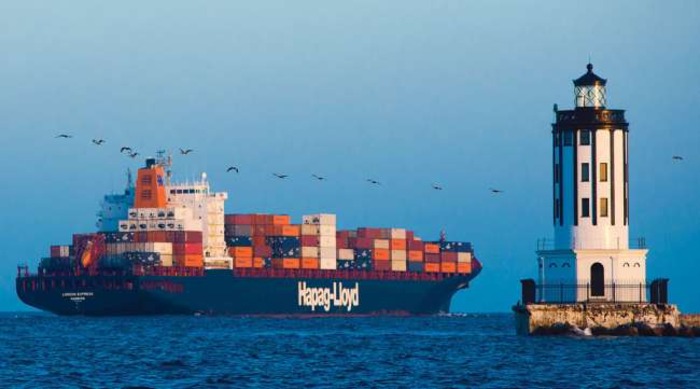
Nigeria is racing to modernise its supply chain as global conflicts, climate shocks, and digital disruptions reshape trade across Africa.
The country’s freight and logistics market will grow from $10.95 billion in 2025 to $15.05 billion by 2030, a compound annual growth rate of 6.57 percent, according to a report by Mordor Intelligence.
This growth is being driven by new ports, warehouse expansion, a shift toward cleaner trucking fleets, rising e-commerce, and the adoption of digital logistics platforms.

“Road freight remains the backbone of Nigeria’s logistics sector, accounting for 61.93% of revenue in 2024, while sea and inland waterways are expanding at an annual rate of 7.21 percent,” the report read.
“Freight transport services contributed 59.54 percent of the market last year, with manufacturing as the largest end-user at 39.15 percent.”
Courier, express, and parcel (CEP) services are growing fastest, projected at 7.56 percent annual growth, while domestic parcels account for 64.5% of shipments. Urbanization is intensifying demand, with Lagos expected to gain 4.5 million residents by 2030, fuelling last-mile delivery needs.
These trends framed discussions at the 2025 Nigeria Supply Chain Leadership Summit (NSCLS) themed “Africa Supply Chain Renaissance: Nigeria’s Path Forward” and held in Lagos on 14 November.
The summit convened industry leaders, policymakers, and private-sector players to debate Nigeria’s strategic path; whether to protect local markets or embrace AfCFTA-led African trade integration. Speakers highlighted the need to balance both approaches to safeguard jobs while unlocking regional opportunities.

Adeola Oduntan, general manager of Global Sourcing and Supply Chains at MTN Nigeria, said the country is “at a crossroads.” He added in his keynote address that strengthening local capacity protects employment, but regional integration offers scale and market growth. Oduntan flagged challenges, including poor roads, slow ports, and currency volatility, calling for greater collaboration to close gaps and improve efficiency.
Read also: The CEO’s playbook: Re-engineering the global supply chain
The summit also explored “glocalisation,” combining global standards with local realities. Kanayo Awani of Afreximbank said harmonised policies and trade finance could help local firms scale across Africa. Greg Akhibi of Renaissance Africa Energy stressed that energy infrastructure must improve for African industries to compete fairly.
Other risks identified included insecurity, regulatory inconsistencies, and currency gaps. Adebisi Afolabi, head of Supply Chain & Demand Planning at Pernod Ricard Nigeria, highlighted cross-border packaging standardization as critical. “If one label works across Africa, producers can cut costs and expand faster,” he said.
Similarly, Alban Igwe, director-general of Dangerous Goods Academy, said Nigeria must modernise quickly, adopt digital tools, upgrade skills, and improve infrastructure to lead West Africa. He called the summit a “chance for a renaissance” that could unlock efficiency, reduce costs, and catalyse trade and investment.
Adding his voice, logistics expert Olugbenga Odusanya, warned that insecurity drives workers away from farms, mines, and industrial sites, reducing production and weakening trade. “Security limits production and supply,” he said. “Countries or trade partners avoid trade with unstable regions, which weakens Africa’s integration goals.”
On his part, Emeka Eboagwu, the Convener of NSCLS 2025, said Nigeria must create a national supply chain policy and position itself as a regional logistics hub. “We cannot do it alone,” he told BusinessDay. “Nigeria needs the right framework to unlock its system and become Africa’s logistics centre.”
He also announced the 2026 summit theme: “From Fragmentation to Fluidity: Unlocking Supply Chain Potentials Through Finance and Operations Integration.”
The summit concluded with calls for increased collaboration, data-driven decision-making, and harmonisation of policies across African countries. Young leaders emphasised skills development, digital adoption, and intentional policy execution as critical to Nigeria’s rise as a regional supply chain hub.
With new ports, CNG trucking fleets, warehouse expansion, and digital logistics platforms, Nigeria has the potential to lead Africa’s supply chains. But the country must address infrastructure gaps, security risks, regulatory misalignment, and currency volatility to fully leverage its position in the emerging African trade.
“Nigeria can lead Africa’s next supply chain era if it builds trust, improves infrastructure, and opens its market without sacrificing local value,” said Jonathan Okhuelegbe, a participant at the summit.