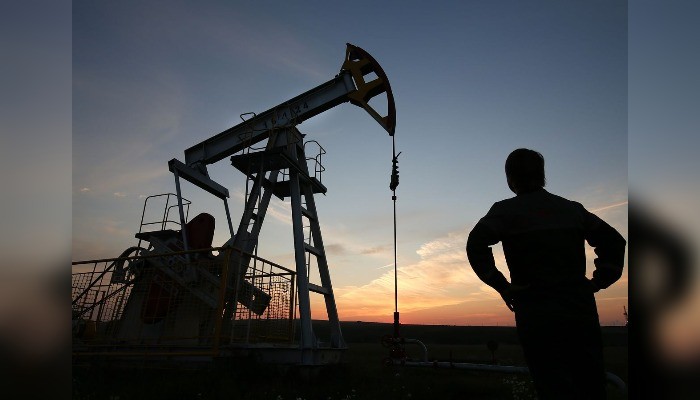
Oil prices are racing towards seventy dollars a barrel on the back of forecast of a balanced global oil market in the new year according to traders.
The internationally traded Brent is at $66.74 while the US grade is trading at a higher level of $59.79 after Iraq’s Oil Minister Jabbar Al-Luaibi said he’s optimistic crude prices will increase in 2018.
READ ALSO: Nigeria faces more economic pain as oil price hits 4-month low
His comments which leave room for the expectation of higher oil revenues next year for oil-dependent economies like Nigeria, came as data showed that global stockpiles were falling and demand rising in China and India.
“I am very optimistic that in the first quarter, oil markets will witness balance,” Luaibi told reporters in Baghdad.
The Organization of Petroleum Exporting Countries, of which Iraq is the second-biggest producer, agreed with allies this year to cut output amid efforts to reduce global inventories. The cutbacks contributed to a 15 percent rise in Brent crude prices this year. Iraq produced 4.36 million barrels a day in October, down from 4.83 million a day at the end of last year, according to Joint Organisations Data Initiative data.

READ ALSO: From local oil firms to banks, here’s what a $40 oil price means for Nigeria
In the meantime, Iraq has taken steps to develop oil fields on its own and to be ready for when output cuts end. China ZhenHua Oil Co. will develop Iraq’s East Baghdad oil field, pending cabinet approval probably next month, Abdul Mahdy Al-Ameedi, director-general of Oil Ministry’s licensing department, said. The field will require a $3 billion investment, with the target for output to be 40,000 barrels a day in five years, he said.
In recent weeks, Iraq has started test production at the Subba field in the south, invited companies to take part in building an oil export pipeline from Kirkuk oil fields to Turkish borders, began the takeover of the Majnoon oil field from Royal Dutch Shell Plc and announced plans to invite international oil companies to develop energy fields in areas shared with Kuwait and Iran.