Stakeholders in Nigeria’s palm oil value chain have recently disclosed a 12 percent rise in the country’s palm oil production to 1.57 million metric tons (MMT) in 2025, up from about 1.4 MMT in 2024.
The figures were disclosed by the Council of Palm Oil Producing Countries (CPOPC) during a mission visit to Abuja, the News Agency of Nigeria (NAN) reported.
The council used the visit to reaffirm its commitment to expand technical and policy cooperation with Nigeria across oil palm production, smallholder development, and supply chain alignment.
Read also: Edo’s pineapple patch faces palm oil squeeze

Izzana Salleh, secretary general of CPOPC, said the engagement forms part of the council’s broader objective to strengthen collaboration with African producers and support Nigeria’s long-term palm oil strategy.
She described oil palm as indigenous to West Africa and noted that Nigeria was once a global leader in the sector, stressing that the focus should now be on building future competitiveness
“Together, producing nations can shape a stronger, more coordinated global voice. One that protects farmer livelihoods, advances food security, and ensures balanced, development-oriented sustainability frameworks,” Salleh said.
She noted that the surge in palm oil production signals a rising momentum amongst players in the value chain, noting that “Nigeria’s palm oil production has increased from 1.28 million tons in 2020 to 1.57 million tons in 2025.”
Read also: The economics of adulterated palm oil in Nigeria

However, Salleh highlighted the prevalent demand gap, which she notes has risen from 2.45 MMT to 2.61 MMT, “creating a supply gap that continues to be met through imports.”
She added that CPOPC is ready to support Nigeria in boosting domestic production, improving food security, and building a more competitive and sustainable palm oil value chain.
Despite having over three million hectares of land suitable for oil palm cultivation, especially in states like Edo and Cross River, Nigeria still lags behind peers like Colombia and Malaysia in yield due to the prevalence of old trees.
However, Alphonsus Inyang, president of the National Palm Produce Association of Nigeria (NPPAN), stated that the sector stands to gain significantly from full CPOPC membership and support.
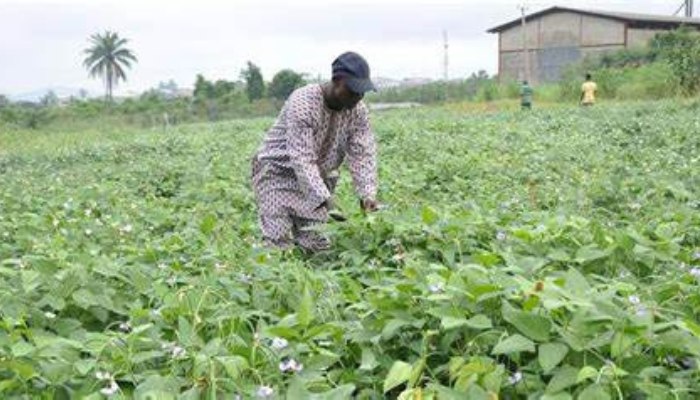
According to Inyang, a full membership would open access to capacity-building programmes for smallholder farmers, who account for the bulk of national production.
“Nigeria could benefit from hybrid planting materials and technical support to improve yields,” adding that stronger collaboration would enhance knowledge-sharing and productivity across the value chain.