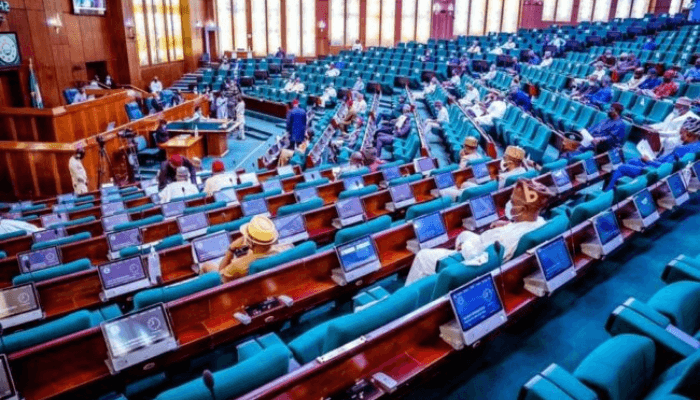
The House of Representatives is back from break, but it barely looks like it. Lawmakers who resumed January 27, looked far from ready to get to work. About one week in, plenary sessions have been brief marked by low attendance, and key items remain untouched.
The slow pace is notable because the House had critical issues pending before it adjourned for Christmas and new year holidays in December 2025. Lawmakers had unresolved allegations around the enacted tax reform laws, a long-awaited constitution review was still pending. Electoral reforms were becoming more urgent as the next general elections draw closer. And the proposed 2026 federal budget was waiting for scrutiny.
But three days into resumption, the House appeared far from ready to roll up its sleeves.
On the first day of resumption, Tuesday, the House held a valedictory session in honour of three late former Senators: Senator Godiya Akwashiki, who represented Nasarawa North Senator Okechukwu Ezea of Enugu North, and Senator John Kojo-Brambaifa of Bayelsa West. Lawmakers shared memories, paid tributes, and observed moments of silence. The ceremony was respectful, solemn, and heartfelt, but it also meant no legislative business was conducted.

By the second day, the order paper had only one agenda, the debate and second reading of the 2026 Appropriation Bill. But despite being the sole item, Lawmakers did not treat it, suggesting they were in no mood for any legislative activity.
Appropriation bill is usually a headline item, the moment for lawmakers to scrutinise allocations, ask questions, and signal priorities for health, education, infrastructure, and security. Instead, plenary began two hours late, lasted barely an hour, and ended without any discussion. The chamber then adjourned.
By Thursday, the third day, there was a sense that the House might finally find its rhythm.
The order paper looked more encouraging. It listed debate on the 2026 Appropriation Bill. It also included consideration of amendments to the Electoral Act, a critical law that shapes how elections are conducted in Nigeria. There were also other legislative matters expected to come up.
At first, proceedings appeared to move forward. The House took three motions. But once again, the key did not receive proper attention.
The House did not debate the 2026 budget as scheduled. Instead, it simply passed the bill for second reading without substantive discussion.
The Electoral Act amendment fared worse. Lawmakers were told that the committee report needed for consideration had not been printed. As a result, the item was stepped down completely.

Attendance has also been low, as the chamber remained scant, by Thursday there were barely 20 lawmakers out of the 360 members Nigerians elected to represent them.
Public trust in the National Assembly is already fragile. Many Nigerians believe lawmakers are better at approving allowances and privileges than passing laws that improve daily life. Thus, very slow start, prolonged adjournment, or abandoned agenda item reinforces that belief.
Critical issues such as constitution amendment and electoral reforms continue to drag in the Green Chamber. Nigeria’s elections remain controversial, with persistent complaints about transparency, accountability vote buying, and the role of technology. Each electoral cycle that passes without meaningful reform increases public cynicism.
With elections approaching, timely discussion is critical. Each postponed debate narrows the window for meaningful reform, potentially affecting the quality of election preparations and public trust in the process.
Add to this the stalled constitution review, which is meant to address structural issues such as state policing, devolution of powers, and local government autonomy. These are reforms many Nigerians have demanded for years
The impression is clear. The House has returned, but the urgency has not. Citizens expect lawmakers to act visibly and decisively. Early delays may seem minor, but they contribute to a growing perception that the legislature is moving slowly, even when the issues at hand are urgent.
Lawmakers have a choice as the calendar progresses. They can maintain a relaxed pace and risk falling behind, or they can pick up momentum, hold debates, and demonstrate that public scrutiny and accountability remain central to the legislative process. However, the holiday mood lingers.