When the power went out for the third time in a week at a federal teaching hospital in Nigeria’s commercial capital last year, surgeons were mid-procedure. Nurses scrambled for flashlights. The backup diesel generator, temperamental at the best of times, took four minutes to kick in, four minutes that felt, to the surgical team, like an eternity.
It was a situation that had repeated itself across Nigeria’s public and private healthcare systems for decades. Now, a growing number of hospitals are choosing a different path in solar.
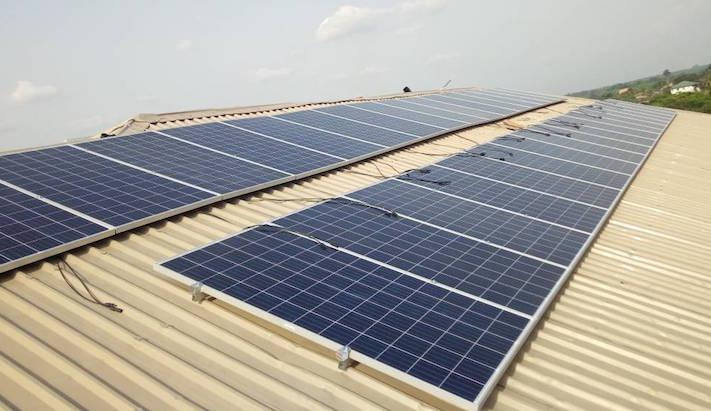
From Lagos Island General Hospital to private clinics in Abuja and Kano, Nigerian healthcare providers are installing photovoltaic systems at a pace that would have seemed improbable just five years ago. Driven by a collapse in grid reliability, the falling global cost of solar panels, and a government increasingly willing to facilitate financing, the shift is reshaping how medicine is practised in a country of more than 220 million people.
“We used to spend 40 million naira a year on diesel alone,” said Kunle Solaja, the chief medical director of a 200-bed private hospital in Lagos that completed a 500-kilowatt solar installation last year. “Now we spend almost nothing on fuel for daytime operations. The panels paid for themselves faster than we imagined.”

Nigeria’s electricity grid is among the most unreliable in the world. The country generates roughly 4,000 megawatts on a good day against a demand that experts estimate exceeds 30,000 megawatts.
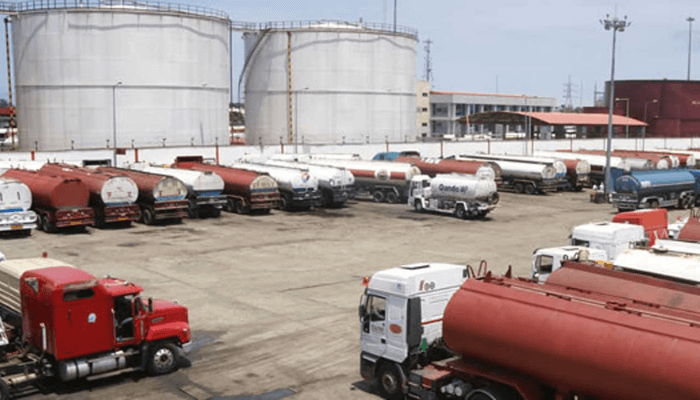
Hospitals, which require uninterrupted power for ventilators, refrigerated vaccines, blood storage, and operating theaters, have long depended on diesel generators, a costly, polluting, and logistically fragile solution.
Read also: Entric power group begins solar system support to rural health facilities in Rivers, Imo states
The economics have shifted decisively. The price of solar panels has fallen more than 90 percent over the past decade globally, and battery storage technology has improved dramatically. For Nigerian hospitals, which already spend heavily on diesel, the math now regularly favors a switch. A mid-sized hospital that previously burned through ₦5 million a month in fuel can recoup a solar investment within three to five years, according to energy consultants working in the sector.
The Nigerian government has taken notice. The Rural Electrification Agency has expanded its Energising Healthcare programme, which has connected over 100 health facilities to solar microgrids in underserved states, prioritising primary healthcare centers that previously had no electricity at all.

The Central Bank of Nigeria has made renewable energy financing available through its intervention funds, and several development finance institutions, including the African Development Bank and the International Finance Corporation, have been active in structuring deals for larger facilities.
“What we are seeing is a tipping point,” said Seun Adeyemi, an energy-access analyst at Lagos-based consultancy Sofidam Capital. “The combination of naira depreciation making diesel imports more expensive, improved solar financing options, and just sheer frustration with the grid, it’s all converging at once.”
The consequences for patient care have been tangible. At a maternal and child health clinic in Ogun State that installed a 120-kilowatt solar-plus-storage system in 2023, staff say the rate of spoiled vaccines has dropped to near zero. Night deliveries, which once carried extra risk when generators failed, now proceed under consistent lighting. Incubators for premature infants run without interruption.
The private sector is moving fastest. Hospital chains such as Reddington and Lagoon Hospitals have incorporated solar into their infrastructure strategies, while newer facilities are being built with solar as the primary power source from the outset. Medical equipment suppliers say they are fielding more inquiries from Nigerian buyers specifically asking about energy consumption ratings — a question that would have been unusual a decade ago.
Challenges remain. The upfront capital cost, even as it falls, is still prohibitive for many public hospitals that depend on government budget cycles. Procurement and installation can be mired in bureaucracy. Maintenance expertise for large solar systems is still developing across the country.
But the direction of travel is clear. For a healthcare system long battered by unreliable power, the sun, abundant in Nigeria year-round, is becoming infrastructure.
“Every hospital in this country should be solar-powered,” said the Lagos surgeon who endured that blackout mid-operation. “We have all the sun we need. We just needed to decide to use it.”