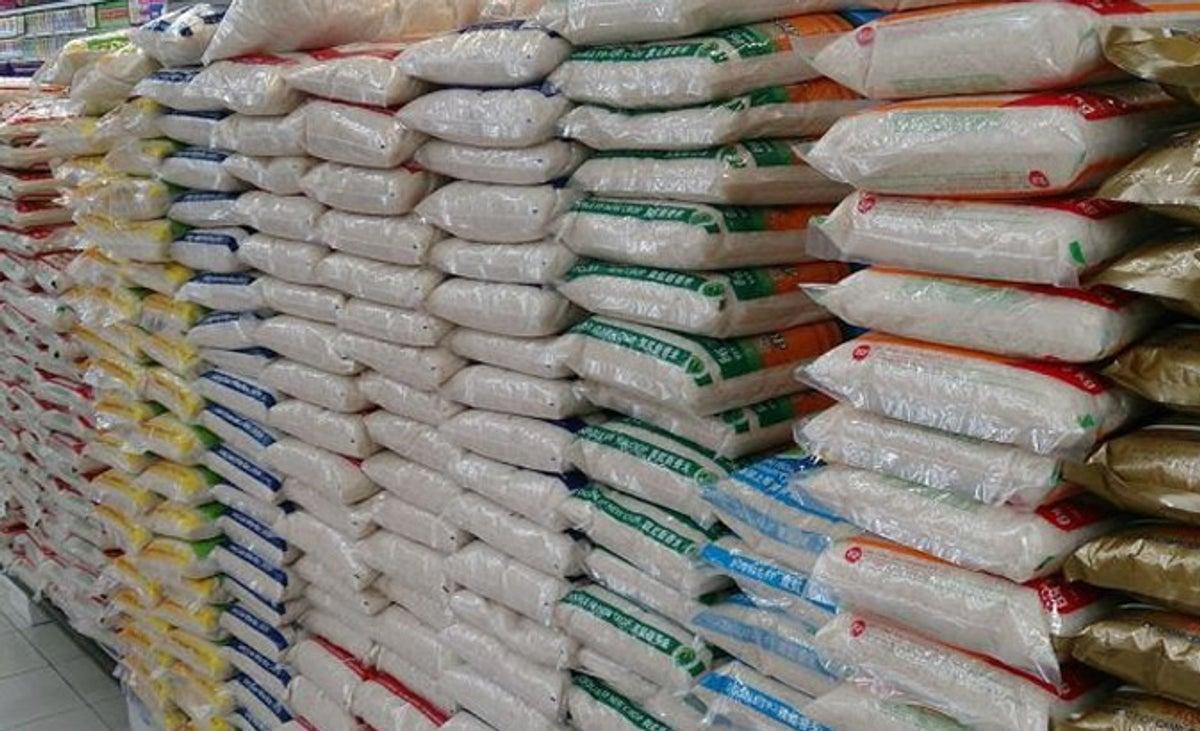
Nigeria is moving to shut rice import windows after a national policy review showed that imports, not local production, are driving the country’s apparent rice surplus while deepening farmers’ losses.
The decision followed the second cycle meeting of the convened by the Presidential Food Systems Coordinating Unit in Abuja.
Participants said food inflation dropped below 14%, removing the justification for emergency rice imports, warning that continued imports now threaten domestic producers and future food security.
According to the communique shared on Thursday, National food balance data for December 2025 showed a surplus of about 1.1 million metric tonnes of rice. However noting that the surplus was sustained largely by imports rather than expanded domestic capacity.

Field surveys covering more than 33,500 farmers across 13 states revealed that maize and rice farmers suffered negative margins during the 2025 wet season. Production costs remained high while market prices collapsed after import windows were opened.
The review found that imports were activated without a matching price protection mechanism. The absence of a guaranteed minimum price left farmers exposed when prices fell below cost of production, as a result, farmers are shifting away from staples.
Wet season data showed declines in maize, rice, and sorghum output, while soybean production rose sharply. Dry season projections indicate that over 10% of rice farmers plan to cut back further.
Stakeholders warned that these trends could translate into future supply gaps if left unaddressed.
To reverse the damage, the meeting endorsed activating the National Food Reserve as a market maker and introducing a Guaranteed Minimum Price to stabilise prices and protect farmer incomes.

Immediate next steps include submitting a technical memo to the Nation Council on Agriculture and Food Security and onward transmission to the National Economic Council, recommending the formal closure of rice import windows.
The National Agribusiness Policy Mechanism was reaffirmed as Nigeria’s coordinating spine for seasonal food policy, aligning production, reserves, imports, and exports under a single data driven framework.