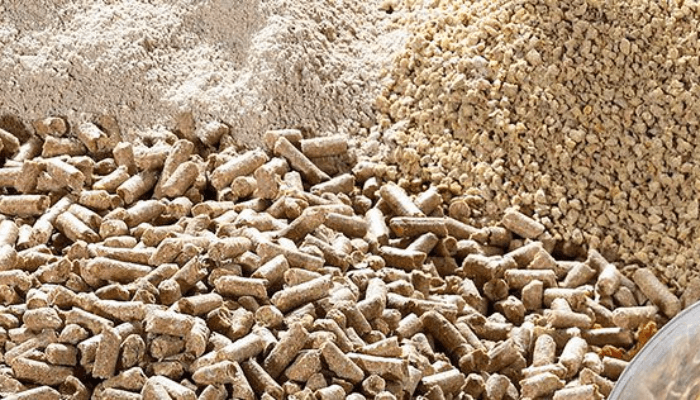
The Federal Government has unveiled plans to scale climate-smart livestock feeding systems as part of efforts to cut greenhouse gas emissions, boost productivity and stabilise Nigeria’s food systems.
Idi Mukhtar Maiha, Minister of Livestock Development, disclosed this on Monday during a meeting with the ILRI GATES Livestock Feed and Nutrition Project team in Abuja, a statement from the Ministry noted.
Discussions at the meeting focused on the relationship between ruminant feeding systems, methane emissions and climate change with emphasis on shifting away from high fibre diets towards more protein rich and climate resilient feed options.
Maiha said methane emissions from livestock are largely driven by poor quality feeds and inefficient fermentation processes. He described feed and fodder as the single most critical lever for transforming the sector.

“Feed and fodder is our number one priority. If animals are fed properly and kept healthy even indigenous breeds can perform optimally. Nomadism today is driven by scarcity not culture. When feed is abundant movement will reduce,” he said.
The minister announced plans to activate large scale fodder production nationwide using solar powered irrigation, micro earth dams and basic infrastructure within designated grazing reserves.
He disclosed that six pilot locations including Adamawa, Benue, Kaduna, Kano, Plateau and the Federal Capital Territory had been selected for the establishment of national communal ranches. Land allocation is expected before the next rainy season.
Maiha said the programme is moving beyond policy design into implementation, stressing that Nigeria has the land base, political will and development partnerships required to reposition the livestock industry.
“This is no longer about theory. It is time for boots on the ground. We can address climate change security risks and food system disruptions at the same time”, he said.

Anu Frank Lawale, Programme Leader ILRI GATES Livestock Feed and Nutrition Project, said the minister’s priorities align closely with the project’s objectives and pledged full technical support.
He said the project focuses on four core areas. These include the use of crop residues, fermented protein feeds as alternatives to conventional protein sources, deployment of climate resilient forages and mycotoxin assessment in animal feeds across Nigeria Kenya and Ethiopia.
Our goal is to increase milk production, create jobs, improve profitability and reduce greenhouse gas emissions. This will strengthen food security livelihoods and climate efficiency, Frank Lawale said.
Tunde Amole, Country Representative ILRI said the initiative prioritises tested and scalable solutions rather than theoretical research.
He said the project plans to introduce proven forage cultivars suitable for the Sahel and rapidly scale adoption once validated.
Methane emissions are not simply an animal issue. They are a feed issue. Our focus is on practical solutions safe feeds alternative protein sources and lower emissions, Amole said.
The livestock feeding initiative is expected to play a key role in Nigeria’s climate commitments while supporting productivity growth and investment across the livestock value chain.