The federal government has set its sights on transforming Nigeria’s cassava sector into a major driver of industrialisation and renewable energy.
The move is aimed at reducing the nation’s reliance on imported fuel, stabilising the Naira, and creating new economic opportunities for farmers and investors.
A recent statement from the federal ministry of Budget and Economic Planning noted that, in line with this vision, a two-day Capacity Building Workshop for Stakeholders on the Cassava Bioethanol Value Chain Development Project recently took place in the North West Geo-Political Zone.
The workshop brought together farmers, processors, researchers, regulators, and investors to discuss ways to maximise cassava’s potential beyond food production.

Atiku Abubakar Bagudu, minister of Budget and Economic Planning, represented by Anuwal Muhammad, director of Economic Growth, described the initiative as a key part of President Bola Tinubu’s Renewed Hope Agenda.
“This workshop is more than a training session. It is a strategic gathering designed to ensure that Nigeria no longer just grows cassava to eat, but grows cassava to power our nation,” Muhammad said in the statement.
Nigeria is the world’s largest producer of cassava, but much of the crop’s potential remains untapped. The Cassava Bioethanol Value Chain Development Project, often called the “white gold” initiative, aims to turn cassava into a catalyst for industrial growth and energy transition.
By blending bioethanol derived from cassava with Premium Motor Spirit (PMS), the government hopes to reduce the country’s dependence on imported fuel, save billions of Naira in foreign exchange, and promote cleaner, renewable energy alternatives.
The ministry added that the initiative is also expected to help diversify the economy beyond oil and gas.

Under the National Bio-Economy Policy, the project promotes a circular approach, ensuring that all parts of the cassava production and processing chain are utilised.
This includes the use of high-quality cassava stems and starch, capturing carbon dioxide during fermentation, and converting distillery grains into animal feed.
“This is not just about building factories. It is about building a future where Nigeria becomes a global hub for bio-resources,” Muhammad added.
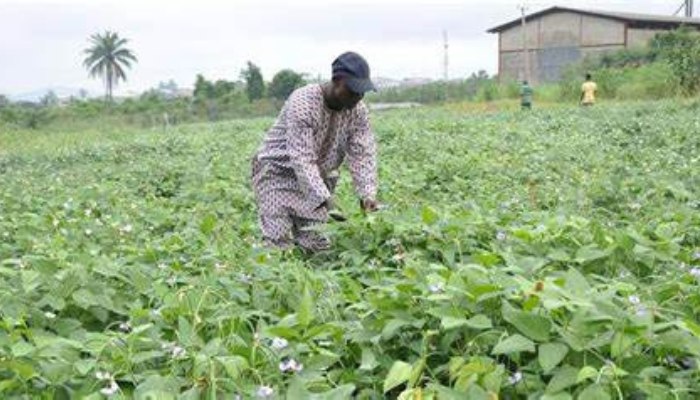
He further explained that the project targets over 14 million smallholder farmers, offering them a chance to move from subsistence farming to becoming active participants in a thriving industrial value chain.
Olaifa, director of the Agriculture Division in the Economic Growth Department, described the project as a strategic initiative positioned at the intersection of industrialisation, energy transition, and rural empowerment.
He stressed the importance of private sector collaboration, citing the partnership with Bassay Global Tech and Services Limited as an example of how policy can translate into commercial and industrial success.
The workshop aimed to equip participants with technical skills for high-yield cassava production and efficient processing.
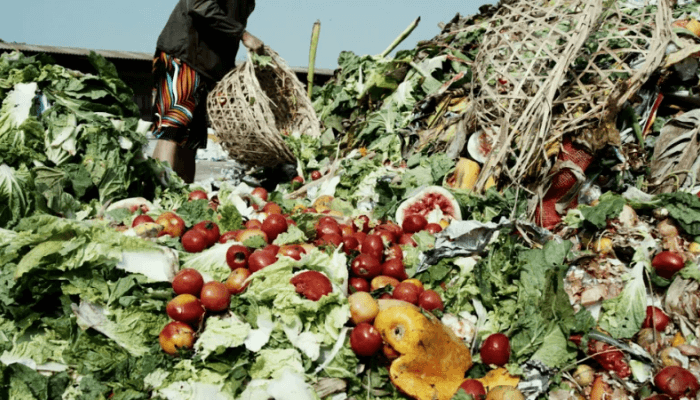
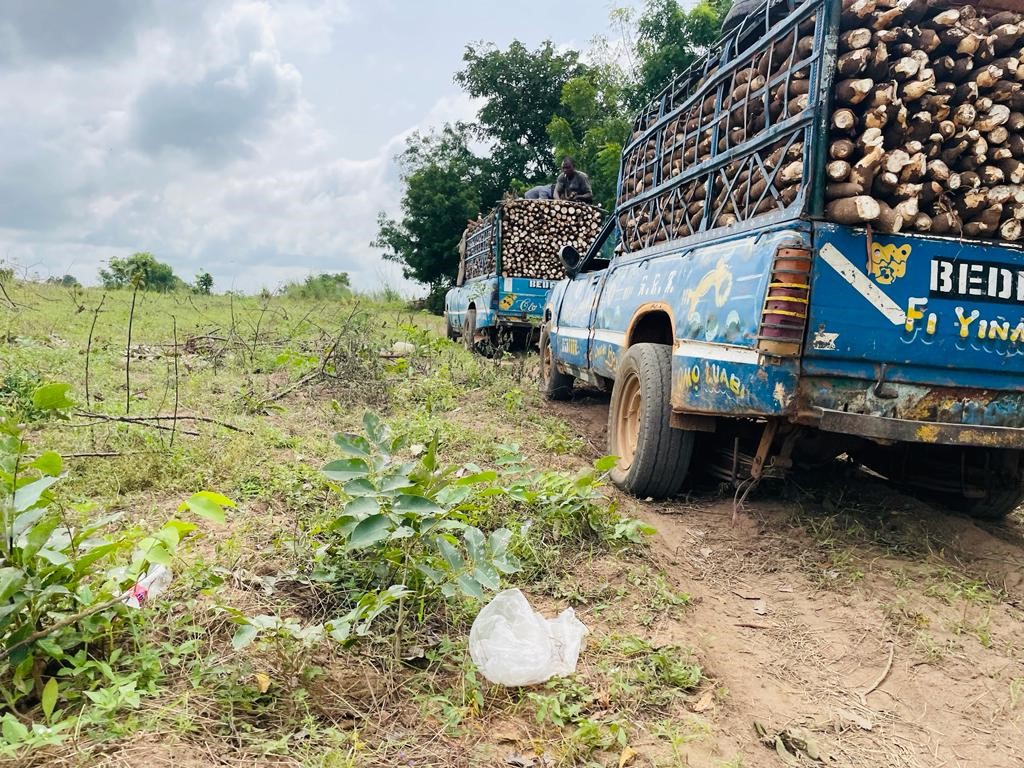
It also encouraged collaboration between aggregators, processors, and off-takers to reduce post-harvest losses, which are currently estimated at nearly 40 percent. Standardising production processes to meet global ethanol standards was another key objective.
Muhammed Magaji, president of the All Farmers Association of Nigeria (AFAN), said the initiative is a transformative opportunity for farmers.
“Cassava’s potential goes beyond food security to renewable energy production and economic growth,” he said.
He added that agriculture remains a cornerstone of Nigeria’s economy, and impactful programmes will provide farmers with a pathway to higher income, greater value addition, and sustainable livelihoods.