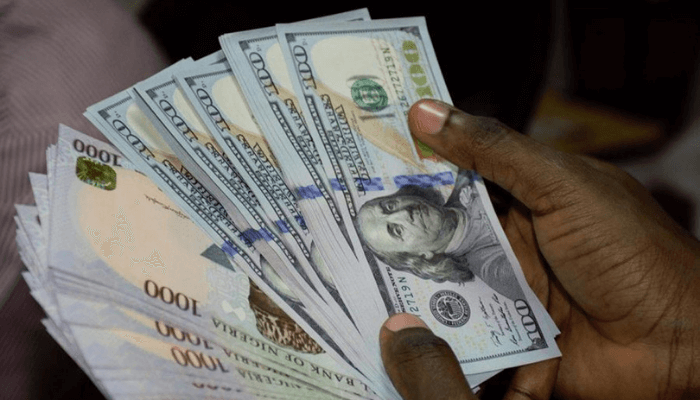
Nigeria’s dollar reserves are to increase in the medium term as the Nigerian National Petroleum Corporation (NNPC), continues to move dollar denominated deposits out of commercial banks into the Central Bank of Nigeria (CBN).
This is being complimented by efforts to block leakages, which helped to shore up government revenues for the month of June.
The movement of NNPC/ NLNG deposits to the CBN, which began earlier this month, helped to increase the CBNs gross dollar reserves by $1.7 billion, month to date, according to banking sources.
“The NNPC is set to move more of its reserves out of commercial banks in the coming weeks, as the corporation has quite a substantial sum still with the banks,” said a banking source, speaking with BusinessDay on condition of anonymity, because he wasn’t authorised to speak publicly.

“They decided to move it out gradually to avoid a shock to the banking system and also for the optics of a gradual accretion to reserves,” the source said.
Domiciliary funds in Nigeria’s banking industry have increased significantly to about 26 percent of total deposits from an average of 15 percent in 2008, according to Ratings agency, Standard and Poor’s (S & P).
The CBNs gross dollar reserves increased by 5.8 percent this month, to $30.84 billion on July 24, according to data from the bank’s website.

Rising reserves will give the CBN more ammunition to defend the currency at its nominal interbank peg of N198 per dollar, as well as help shore up confidence in the naira, which has seen a wide divergence between the official and black market rates against the dollar.

Meanwhile, Nigeria’s gross government revenues rose in June for the second month in a row, partly due to a crackdown on official corruption, according to the finance ministry.
The three tiers of government shared a total of N518.542 billion ($2.59 billion), up 33 percent, from May, including a N6.33 billion ($31.5 million) refund by NNPC, value-added tax of N64.99 billion ($324 million) and an exchange rate gain of N6.69 billion ($33.4 million).
In May, Nigeria received N324.06 billion in revenues and distributed N409.35 billion between the federal, state and local governments.
The balance of the Excess Crude Account stood at $2.207 billion, up from $2.078 billion on June 23.
International oil prices rose at the end of April and benchmark Brent futures were sustained in the $60s a barrel range, before falling again into the $50s a barrel range at the start of July.
Nigeria, which is Africa’s biggest oil producer, depends on oil sales for about 70 percent of its government revenues.
Anastasia Daniel-Nwoabia, permanent secretary of the finance ministry, said revenues were hit by a shutdown of pipelines feeding the Nembe and Forcados crude export terminals.
Shell declared force majeure on exports of the Forcados crude stream in early May, due to leaks on the main pipeline. The force majeure was lifted in mid-July.
“A price increase in crude of 9.8 per cent, recorded between April and May, was not enough to cancel the effect of a revenue drop due to a decline in the volume of crude oil sold, but the noticeable increase in revenue was as a result of blockage of some leakage in revenue sources,” Daniel-Nwoabia said.
PATRICK ATUANYA