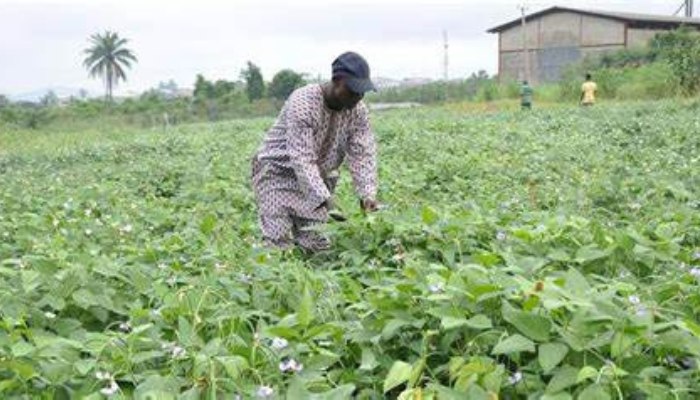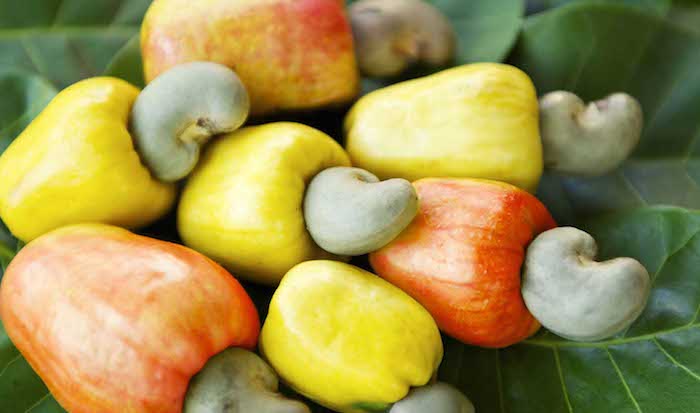
Nigeria’s cashew industry has earned over $400m in export trade deals in 2025 as farmers record bountiful harvests owing to favourable climate.
Although this revenue supports the country’s non-oil revenue, industry leaders say the sector has the capacity to deliver greater value through increased production, processing, and domestic consumption.
Read also: How farmers can thrive in 2026 dry season
Sheriff Balogun, president of the Federation of Agricultural Commodity Associations of Nigeria (FACAN), said this at the 4th Nigeria Cashew Day held recently in Abuja, noting that official data showed steady growth in non-oil exports, driven largely by agricultural commodities such as cashew.

“Based on official statistics, we see tremendous growth in non-oil exports in the development of Nigeria’s economy, from about $5 billion to $6.1 billion this year in exports,” he said.
Balogun noted that Nigeria was still operating below its full potential, especially in processing and value addition.
“And we can do more, because in about five years, with adequate planning, we should be able to move our production to about a million dollars. And we are processing just about 20-30 percent of what we are doing.”
Similarly, Ibrahim Sanfo, president of African Cashew Alliance, said Africa remained the world’s largest producer of cashew but consumed very little of what it produced.
“In Africa, we are the first producer, but we consume less than one percent. And we are also a big market like India, and we need now to process and to consume our own product.”

Sanfo said low processing capacity remains a major challenge across the continent, especially Nigeria.
“Because we are not processing more. Our processing is less than 10 percent, and we export all 80 to 90 percent. We need to process more for our local consumption, and we need the government’s support for that. Without the government, we cannot resolve this problem.”
On his part, Joseph Ajanaku, president of the National Cashew Association of Nigeria, said the country is working to reclaim its former status as a leading global cashew producer.
Read also: Bitter kola farming and health benefits
“We want to grow the Nigerian cashew industry capacity in production so that we can go back to the number one position that we used to be,” he noted.
He noted that the country has the natural resources to dominate global production.
In 2025, players in cashew value chain projected a boost in output bolstered by adequate rainfall.