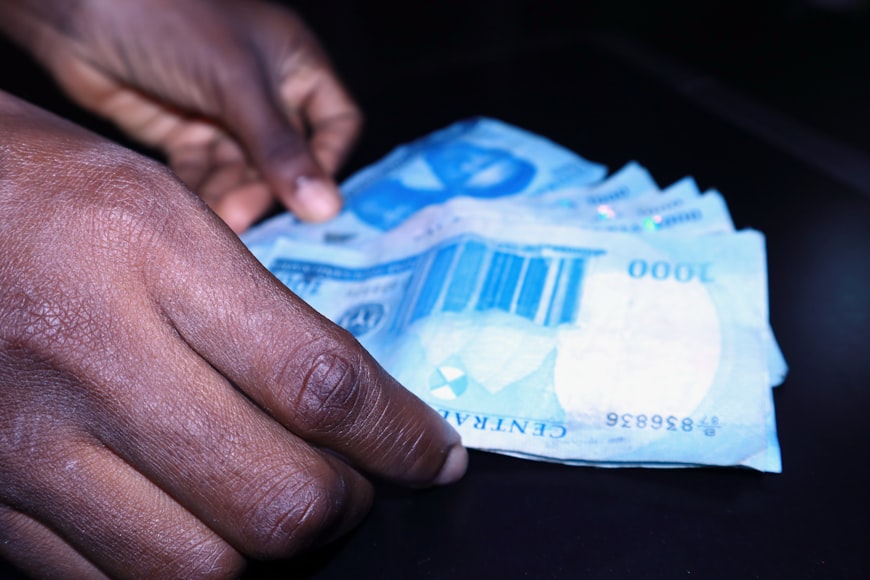
The naira on Monday strengthened to a two-year high of N1,450 per dollar in the parallel market, popularly referred to as the black market, buoyed by improved liquidity and spillover effects of recent foreign exchange reforms in the official market.
The last time the local currency appreciated to this level was in February 2024, when it traded at a similar rate. Data collated from street traders showed that the naira gained N2 on the day, with the dollar quoted at N1,450 compared with N1,452 on Friday, reflecting improving sentiment and increased foreign exchange availability in the informal market.
At the Nigerian Foreign Exchange Market (NFEM), however, the naira depreciated marginally, closing at N1,390.36 per dollar on Monday, compared with N1,386.55 per dollar on Friday, according to data published by the Central Bank of Nigeria (CBN).
Read also: Naira ends week on strong footing at N1,386.55

According to a report by Rhodium Capital Limited, a Nigerian-based investment firm, market liquidity declined further to N596.45 billion from N1.87 trillion recorded in the previous trading session, reflecting weaker inflows despite the overall improvement in foreign exchange supply conditions.
The report noted that the naira nonetheless extended its broader appreciation trend at the NFEM window, supported by improved supply dynamics. The currency closed at N1,390.36/$1, as better foreign exchange inflows underpinned a firmer tone in the official market.
The report attributed the stronger performance to a softer US dollar in global markets, alongside the continued build-up of Nigeria’s external reserves, which has enhanced liquidity conditions and strengthened supply visibility in the domestic foreign exchange market.
Notably, the parallel market also recorded gains, pointing to a narrowing gap between official and informal exchange rates. Market analysts noted that this convergence reflects improving FX availability across market segments and a more balanced demand-and-supply dynamic in the broader foreign exchange market.
Rhodium Capital expressed optimism that the naira will remain relatively stable in the near term, noting that the CBN’s calibrated management of market activity is helping to anchor expectations and maintain currency stability.