Outstanding debts amounting to over N600 billion owed oil marketers by government, as well as the need to bringing down cost of naira and making foreign exchange available to end users, among others, could stem the current fuel crisis in the country, according to stakeholders.
They stakeholders argue that since government has decided to continue with the fuel subsidy regime, it should pay the marketers on time, rather than let debts accumate.
The managing director of an oil servicing company, who claimed government has been owing his company over N2 billion since 2013, said “only the removal of subsidy and offsetting the huge outstanding debts owed marketers by govt can remove the crisis because I see the crisis dovetailing till next year.
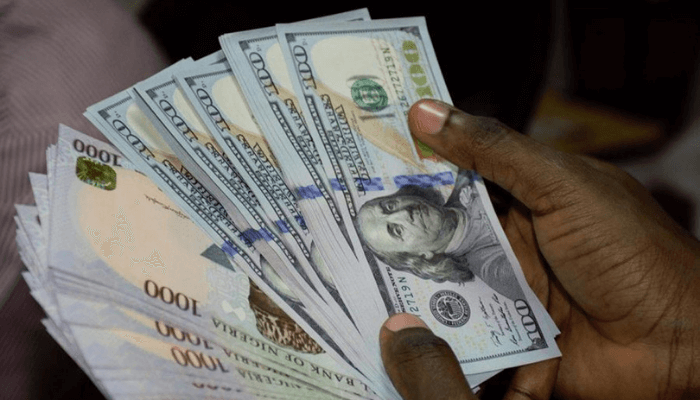
Speaking on the cost of the local currency during his visit to BusinessDay head office, Uche Orji, managing director of the Nigeria Sovereign Investment Authority (NSIA) said, “If we want to sustain a lower cost of money, we need a bigger and more diversified economy longer term.And the fastest thing to do to bring the cost of money down is to flood the market with money, which is what we have done.

“We must however, have a bigger diversified economy that can absorb all of these impacts. We now have to look at other segments that are essential to building a solid diversified economy. The 25 percent borrowing interest rate is too high for business.We have to look at certain key industries that have to be grown locally, why are we importing steel?”
Corroborating the views of these marketers ,Olufemi Adewole, executive secretary of Depot and Petroleum Products Marketers Association (DAPPMA) lamented that the members of his association have not been able to pay for the last cargoes they brought into the country because they have been unable to get enough foreign exchange, as the Central Bank has not been able to give them enough foreign exchange.
He said the banks have shut their doors against most oil marketers because they are still being owed.
The Federal Government recently approved that N413 billion be paid to the marketers but the money is yet to be released to them because it must be approved by the National Assembly and this is yet to be done.
Some of the marketers who spoke to BusinessDay said their interaction with the Minister of Petroleum Resources last week, centred on the inability of the Central Bank of Nigeria to make available enough foreign exchange for the oil marketers to import fuel. They said unless this obstacle is eliminated, it would be difficult for them to import sufficient fuel into the country.

The managing director of one of the affected oil companies, who chose not to be named, said it would cost his company on the average, about $100 million to bring in a cargo of fuel which is above 30,000 metric tons, but that his company is finding it difficult to raise the necessary fund locally because it is just able to get $3million per week from the (CBN).
He said the same CBN policy has likewise affected the importation of diesel which is now not in adequate supply because marketers have not been able to source enough foreign exchange to purchase it. “For me, to raise $100 million based on what the CBN gives me, it would take about six months to get $100million”.
The failure of the nation’s refineries over the years, and the inability of the previous government to either resuscitate or privatise the refineries, have plunged the country into this endless circle of fuel scarcity, with its attendant subsidy cost, which has risen to over N 600 billion in arrears.
It is however expected that by the time the 650,000 barrels Per Day (bpd) capacity Dangote Refinery comes onstream in 2018, the country would have some reprieve.
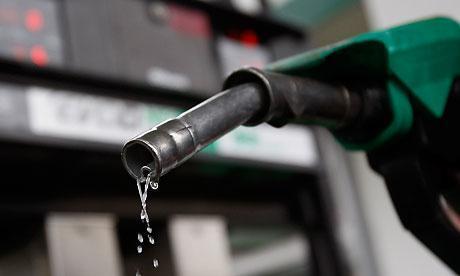
Queues are growing longer at filling stations across the country, despite claims by the Nigerian National Petroleum Corporation (NNPC ) that it has supplied sufficient fuel to last for over 17 days.
BusinessDay investigations reveal that most filling stations outside Lagos have no fuel and where there is fuel, the price ranges from N 120 to N200 per litre.
John Omachonu & Olusola Bello