Nigeria is positioning its solid minerals industry for a fresh wave of global investment as the Federal Government intensifies reforms aimed at expanding the sector’s contribution to the economy and attracting long term mining capital.
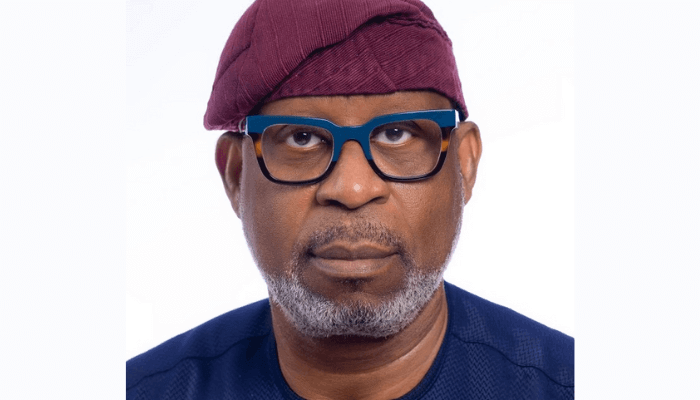
Dele Alake, Minister of Solid Minerals Development, said ongoing policy changes under Bola Ahmed Tinubu are beginning to reshape investor confidence in the country’s mining sector, with early gains already reflected in higher foreign investor interest and a stronger outlook for the industry’s contribution to Gross Domestic Product.
The minister, who was represented by Obadiah Nkom, Director-General of the Mining Cadastre Office and speaking on the sidelines of the Prospectors and Developers Association of Canada Convention in Toronto, Canada, said Nigeria is repositioning its mining ecosystem to compete for global exploration and development capital.
Speaking during the 27th African Mining Breakfast, a gathering of ministers, mining executives and investors, the minister said Nigeria is moving away from the traditional model of exporting raw minerals and is instead prioritising local processing and mineral value addition.

According to him, the strategy is designed to deepen domestic industrial capacity, create jobs and retain more value within the economy.
Nigeria is also seeking to unlock large scale mining investments through regional infrastructure integration across Africa.
Read also: Alake shuts mining site in Plateau, orders forensic probe
Alake noted that viable mining projects across the continent are often delayed because supporting infrastructure such as rail lines, power supply and mineral processing facilities are located across national borders without coordinated investment planning.
He urged development finance institutions and global investors to move beyond funding isolated national projects and instead support cross border mining infrastructure corridors.

The minister said Nigeria is prepared to anchor such regional mineral development corridors given its geological data availability, reform agenda and political backing for mining sector growth.
The Nigerian delegation also used the conference to deepen commercial engagement with Canadian mining interests.
On the sidelines of the event, the team met with Paula Caldwell, Chairperson of the Canada–Africa Chamber of Business, to explore opportunities for expanding Canadian private sector participation in Nigeria’s mining industry.
The engagement, facilitated by Pasquale Salvaggio, Canadian high commissioner to Nigeria, focused on strengthening investment flows and commercial partnerships between Canadian mining firms and Nigeria.
Discussions also highlighted an upcoming Canada–Africa business engagement initiative expected to connect Canadian companies with investment opportunities across the continent, including Nigeria’s solid minerals sector.
Industry analysts say Nigeria’s presence at global mining platforms such as the Toronto convention reflects a broader strategy to reposition the country as a credible destination for exploration capital at a time when demand for critical minerals is rising globally.
The Federal Government is currently implementing reforms aimed at improving geological data availability, strengthening licensing transparency and formalising artisanal mining activities to expand the sector’s contribution to national revenue and exports.