



|
Getting your Trinity Audio player ready...
|
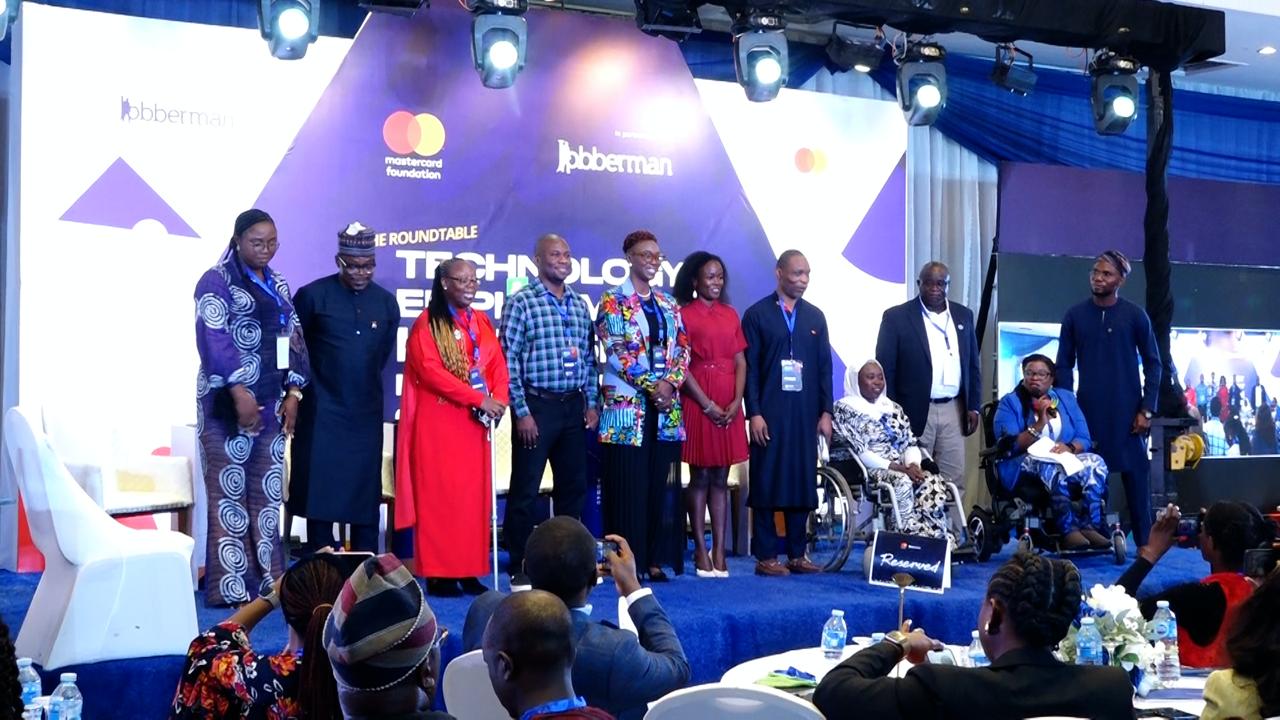
Jobberman Nigeria, in partnership with the Mastercard Foundation through the Young Nigeria Works programme, has reaffirmed its commitment to creating inclusive digital job opportunities for marginalised populations across Nigeria.
Hilda Kabushenga, CEO of The African Talent Company (TATC), the parent company of Jobberman, made this commitment during a roundtable event on “Technology and Employment Inclusion in Marginalised Contexts,” held in Abuja.
Kabushenga emphasised the importance of ensuring that technology serves as a tool for inclusion. She noted that the future of work must be anchored in equity, access, and opportunity.
The session brought together stakeholders from government, the private sector, civil society, digital platforms, and development organisations to discuss current challenges and identify new opportunities for inclusive digital employment.

Participants focused on addressing the barriers that prevent vulnerable groups—such as women in underserved communities, persons with disabilities (PWDs), and internally displaced persons (IDPs)—from fully participating in the digital economy.
Rosy Fynn, Country Director of the Mastercard Foundation in Nigeria, reaffirmed the Foundation’s mission to enable 30 million young Africans—especially young women—to access dignified and fulfilling work by the year 2030.
Fynn stressed that inclusion must be treated as a central priority, not a side conversation. She added that insights from the roundtable, including a policy and practice brief, would help shape employment programming, digital platform design, and advocacy efforts within the broader Young Nigeria Works learning agenda.
Also speaking at the event, Temi Dalley, Group Executive, Human Capital and Corporate Services at Sterling Financial Holdings, emphasised that the true value of technology lies in its ability to provide access. She noted that its impact becomes meaningful when it creates pathways for underserved populations to thrive and helps close opportunity gaps.
Delivering a keynote address, Abba Isa, Senior Special Assistant to the President on Special Needs and Equal Opportunities, highlighted the importance of building inclusive digital ecosystems. He stated that such systems must ensure equal access to employment opportunities and uphold the economic dignity of all Nigerians.

A major highlight of the event was the presentation of a research report titled “Technology and Employment Inclusion in Marginalised Contexts.
” The study explores how digital platforms—including job boards, gig and remote work portals, and social media—can serve as tools to expand employment access for disadvantaged groups. It also examines the structural, cultural, and technological barriers these populations face, such as limited digital literacy, high internet and data costs, and persistent labour market discrimination.
The research found that nearly 90 per cent of employers do not actively recruit from marginalised populations, with 72 per cent making no deliberate effort to implement inclusive hiring practices.
Despite these challenges, the report revealed that more than half of persons with disabilities and nearly half of displaced women have secured work, often through self-employment in creative and agricultural sectors.
The study also highlighted that limited access to education remains a significant issue, with the majority of schools lacking facilities to support students with disabilities.
However, the report concluded that digital tools and remote work are beginning to open up new possibilities. It recommended employer training on inclusive practices and public recognition of inclusive businesses as key steps toward progress.
Breakout sessions at the event focused on the specific needs and experiences of three key groups: women in disadvantaged communities, persons with disabilities, and internally displaced persons.
These sessions allowed for open dialogue and collaborative problem-solving, generating key recommendations to inform future policies and practical initiatives aimed at building an inclusive digital employment ecosystem.





