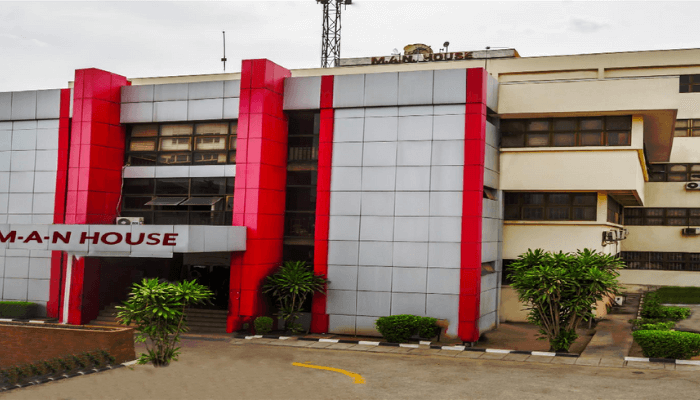
Industrial stakeholders have intensified calls for energy-efficient and cleaner production practices as part of efforts to strengthen Nigeria’s manufacturing sector and reduce production costs.
The call was made on Wednesday during a Public-Private Sector Policy Dialogue Session organised by the Manufacturers Association of Nigeria (MAN) in collaboration with the United Nations Industrial Development Organisation (UNIDO) in Kano.
The event brought together government officials, regulatory agencies, industrial leaders, and members of the organised private sector to review policy updates, implementation progress, and stakeholder feedback on the Global Environment Facility (GEF)-UNIDO Industrial Energy Efficiency (IEE) and Resource Efficient Cleaner Production (RECP) Project.
Speaking at the session, Ali Madugu, the chairman of MAN’s Finance and Expenditure Committee, who represented the National President of the National Association of Chambers of Commerce, Industry, Mines and Agriculture (NACCIMA), described the project as a critical step toward sustainable industrial development in Nigeria, noting that energy inefficiency remains a major challenge confronting manufacturers.

Madugu commended UNIDO for supporting efforts to reposition Nigeria’s manufacturing industry through global best practices, stressing that the adoption of energy-efficient technologies would reduce operational costs while improving environmental sustainability.
According to him, embracing cleaner production methods and optimising resource utilisation would enhance the competitiveness and resilience of local industries amid rising global market demands.
Read also: LCCI demands forensic audit of national grid
He urged industrialists and policymakers to use the dialogue platform to build partnerships, exchange ideas, and accelerate the adoption of energy efficiency strategies across manufacturing operations.
Madugu added that environmentally friendly manufacturing practices would not only protect the environment but also support sustained economic growth and industrial expansion in the country.

Participants at the session reviewed project implementation progress and discussed ways to deepen collaboration between the public and private sectors to ensure wider adoption of energy efficiency measures in Nigerian industries.
In his remarks at the event, Reuben Bamidele, who represented the UNIDO Country Director, said the project was designed to assist industries in Nigeria in managing energy use in an effective and sustainable manner.
He urged stakeholders in Northern Nigeria to leverage the project, noting that it would go a long way in boosting competitiveness, improving profitability, and enhancing global competitiveness.
Providing insight into the project, Oluwasegun Osidipe noted that the project, which started four years ago, is nearing completion. He explained that the project primarily targets five key industrial sectors, namely wood and furniture products, iron and steel, food and beverages, textiles and leather, and petroleum.
He added that adoption of the project by industries is expected to accelerate the uptake of Industrial Energy Efficiency (IEE) practices and improve enterprise environmental performance under the broader framework of Resource Efficient and Cleaner Production (RECP) best practices and innovative approaches within selected small, medium, and large-scale industries in Nigeria.
Similarly, he noted that the project is geared toward promoting industrial energy efficiency and optimisation, as well as materials, water, and chemical efficiency and cleaner production, thereby contributing to environmental sustainability, increased energy access, and improved industrial financial performance.
On the benefits of the project, Osidipe said it is expected to address rising energy costs through industrial energy efficiency initiatives, reduce reliance on inconsistent power supply by improving internal energy efficiency, and explore alternatives such as renewable energy integration, among others.
BusinessDay gathered on the sidelines of the stakeholders’ meeting that, under the project, the Bank of Industry offers funding of up to N100 million per obligor at an interest rate of 8 percent per annum, with a maximum tenor of four years.
Leading Nigerian manufacturers are already reaping the rewards of improved energy efficiency by reducing greenhouse gas emissions by 49 percent, cutting energy consumption, boosting profitability, and staying ahead of regulators by aligning with national and international environmental standards.
By participating in the project, industries will gain access to expert support and other incentives that will make them more sustainable and competitive, in addition to contributing to Nigeria’s climate action goals while reducing companies’ carbon footprints.
Stakeholders present at the dialogue included members of MAN, representatives of regulatory agencies, financial institutions, and the media.