Nigeria’s fragile economic recovery is at risk of losing momentum as high interest rates, heavy debt servicing, and weak budget execution continue to squeeze businesses and households, the Lagos Chamber of Commerce and Industry (LCCI) has warned.
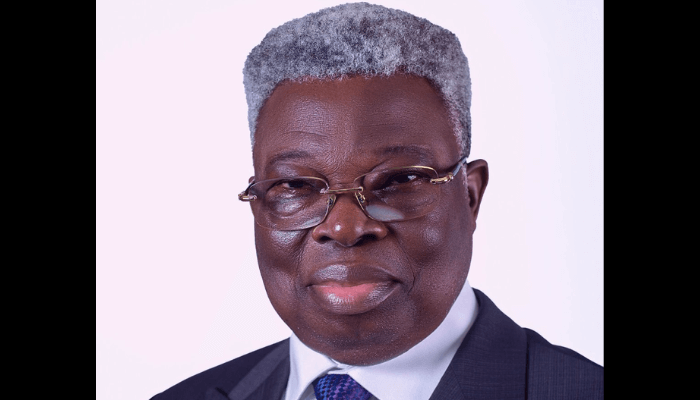
Speaking at the Chamber’s quarterly press conference in Lagos on Thursday, Leye Kupoluyi, president of the LCCI, said that while macroeconomic stability has improved in some areas, “policy choices in 2025 are still constraining growth and private-sector expansion.”
The president pointed to Nigeria’s third-quarter growth of just under four percent as evidence that recovery remains narrow and vulnerable, driven largely by the non-oil sector and “increasingly threatened by rising borrowing costs and lingering inflationary pressures.”
But his main concern could be Nigeria’s monetary policy. The Central Bank’s decision to hold the Monetary Policy Rate (MPR) at 27 percent, LCCI noted, may be helping to tame inflation but is simultaneously choking credit, slowing business expansion, and weakening consumer demand.

“While the high policy rate strengthens anti-inflation efforts, it is also heightening the cost of borrowing and suppressing aggregate demand,” Kupoluyi said.
According to the Chamber, interest-sensitive sectors such as manufacturing, real estate, and consumer goods are already feeling the strain, with firms delaying expansion plans and scaling back investment.
Although inflation has shown a sustained downward trend, from over 30 percent at the start of 2025 to about 15 percent at the close of the year, the Chamber urged the government not to lose focus on the real drivers of price pressures, including energy costs, logistics bottlenecks, insecurity, and the lingering effects of currency depreciation.
“Businesses need a cushioning effect from a lower cost of doing business, while citizens should begin to experience stable prices,” the president said.
He added that further easing of interest rates, when conditions allow, would reduce operating costs for businesses and ease cost-of-living pressures on households.

The Chamber also acknowledged progress on the foreign exchange market. The naira’s relative stability in 2025, alongside a rise in external reserves to about $45.5 billion, was described as “a boost to market confidence” and evidence of improved transparency in the FX market. However, it cautioned that “these gains must be sustained to avoid renewed volatility.”
By mid-2025, Nigeria’s public debt climbed to about N152 trillion. LCCI warned that rising borrowings, combined with high interest costs, are “narrowing the government’s fiscal space and limiting spending on growth-enhancing projects.”
Kupoluy, while welcoming the 2026 federal budget’s emphasis on capital spending, also noted that debt servicing continues to consume a significant share of government resources, calling for stricter borrowing discipline and greater use of equity financing and public-private partnerships.
He raised concerns about Nigeria’s weak budget implementation capacity, especially with multiple budget cycles running concurrently, warning that this could undermine effective project delivery.
Yet, the LCCI backed the government’s plan to raise revenue through asset sales, but warned that privatisation must be transparent and guided by clear governance frameworks. It also welcomed efforts to clear outstanding payments to contractors and praised the increase in locally produced cooking gas, describing it as “a significant boost to national energy security.”
Looking forward, it said agriculture, manufacturing, infrastructure, energy, and human capital development will be critical to growth in 2026, but stressed that execution, not ambition, will determine outcomes.
“The budget presents an opportunity to move Nigeria from recovery to expansion,” the Chamber said, “but success will depend on discipline, efficiency, and sustained support for productive sectors.”