Following the success of the award-winning Afamefuna: An Nwa Boi Story, leading Nigerian production studio ComeOnNaija has unveiled its next major title: Iwé Àlà (The Book of Dreams), a sweeping cultural drama set against the splendour and historical significance of the iconic Ojúdẹ Ọba
Festival.
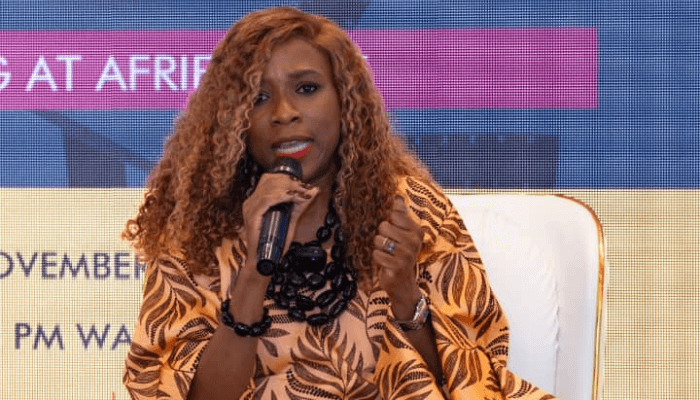
The announcement was made by Olawumi Fajemirokun, Executive Producer at ComeOnNaija, during a focused session in Lagos, where she confirmed that principal photography is scheduled to begin in November 2025.
Describing the project, Fajemirokun noted that Iwé Àlà is “a groundbreaking ode to the heart of Ojúdẹ Ọba… an immersive experience designed to showcase heritage, fashion, and the profound communal spirit of the festival.”
Set in Ijebu and culminating in the festival’s grand procession, the film is positioned as a contemporary, visually ambitious exploration of Nigerian tradition, one that aims to elevate the global perception of culturally rooted cinema emerging from the country.

While still in pre-production, the project has already drawn support from a cross-section of cultural enthusiasts, figures committed to heritage preservation, creative exchange, and the broader evolution of Nigeria’s cultural identity.
Their involvement, according to the studio, reflects the early confidence surrounding the film’s thematic ambition and its potential national significance. ComeOnNaija notes that the project’s momentum naturally places it in a favourable position to attract additional collaborators across sectors, particularly those aligned with cultural representation, creative-economy development, and national storytelling. Beyond its artistic value, Iwé Àlà represents a noteworthy inflection point for Nollywood.
Its development aligns with the industry’s ongoing transition toward more structured planning cycles, stronger creative frameworks, and clearer long-term operational models, qualities increasingly demanded by both local and international markets.
According to Fajemirokun, the film “reflects the confidence that now surrounds Nigerian storytelling, confidence in its global appeal, its cultural depth, and its ability to generate new forms of social and economic value.”
Producer Kenechukwu Egbue added that Iwé Àlà illustrates “what purposeful filmmaking can look like in Nigeria: ambitious, culturally resonant, and built with an outlook that accommodates broader participation in the ecosystem’s future.”

Industry analysts suggest that films of this scale and cultural clarity, supported early by heritage-focused stakeholders, signals a future in which Nigerian cinema can further deepen cross-sector engagement and consolidate its standing as a major pillar of Africa’s creative economy.
With its strong thematic core, visual ambition, and growing cultural backing, Iwé Àlà: An Ojúdẹ Ọba Story is poised to be a defining cinematic release and a credible indicator of Nollywood’s next phase of evolution.