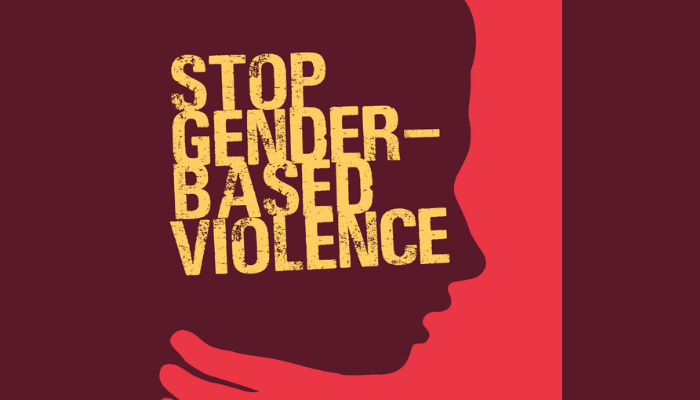
Stakeholders in Kano State have called on federal, state, and local governments to develop comprehensive policies that better protect women and girls from gender-based violence (GBV), while expanding social inclusion and economic empowerment initiatives.
The demand emerged during a stakeholders’ engagement titled “GBV Consortium and Policy Dialogue on Women’s Safety and Social Inclusion in Kano,” organised by the Bridge Connect Africa Initiative (BCAI) in partnership with the Kano State Ministry of Women Affairs.
The dialogue, held under the second phase of the Women Against Violence Empowered Through Sustainability (WAVES) project and supported by the French Embassy in Nigeria, brought together civil society organisations, development partners, traditional and religious leaders, and government representatives.
Read also: NGE urges Nigerian media to amplify voices of children caught in violence-prone zones

Participants, particularly from the NGO community, urged the Federal Government to intensify efforts to tackle the worsening insecurity in Northern Nigeria, warning that rising violence is contributing to increased cases of GBV nationwide.
They also linked the trend to eroding family structures, economic hardship, and gaps in policy frameworks guiding Women’s Economic Empowerment (WEE).
Despite ongoing initiatives, stakeholders noted that women and girls in Kano continue to face significant challenges—including physical and digital GBV, limited economic opportunities, and entrenched harmful social norms, while stressing that such conditions violate fundamental rights and undermine the state’s long-term social and economic development.
The second phase of the WAVES project aims to reinforce earlier efforts focused on enhancing women’s economic resilience and personal safety, with a renewed emphasis on policy advocacy and systemic reforms.
Stakeholders emphasised the need for a coordinated, multi-sector approach involving government ministries, security agencies, civil society, the private sector, traditional institutions, religious leaders, and the media.

Discussions centred on five priority areas, including justice system reforms to provide survivor-centred responses and improved access to healthcare, legal aid, and psychosocial support. With cases of online harassment increasing, participants also called for updated legal frameworks and community awareness to better protect women in digital spaces.
The dialogue reviewed existing laws and identified gaps in coordination between state and non-state actors, noting that funding constraints and competing budget priorities remain major barriers to implementation.
The stakeholders also highlighted the link between women’s economic empowerment and reduced vulnerability to violence, urging the removal of barriers to jobs, capital, and market access.
The engagement featured keynote speeches, panel discussions, breakout sessions, plenary dialogues, and a “Marketplace of Ideas” showcasing innovative GBV prevention models.
Speaking to BusinessDay on the sidelines of the event, Nathan Bako, BCAI’s Lead on WEE Policy, said the dialogue produced several expected outcomes, including a policy brief outlining GBV trends and advocating stronger legal protections, such as the adoption of the VAPP Act.
Read also: Gender-based violence affects 25.8% of women globally Report
He noted that an action plan with timelines and defined responsibilities, along with increased media engagement, were also key outputs.
Bako added that stakeholders plan to disseminate the communiqué and policy brief, follow up with relevant ministries, and advocate for integration of the recommendations into government policy and budgeting.
He expressed optimism that with sustained commitment and coordinated action, Kano State can build a future where women and girls live free from violence and are empowered to contribute meaningfully to society.