The Iranian government on Tuesday, announced a ban on exports of all food and agricultural products as its war with Israel and the United States entered a fourth day.
The escalating conflict threatens to disrupt a major global fertilizer production and shipping hub, heightening the risk of rising crop input costs and food inflation, according to FarmerProgress reports.
Recent reports from the United Nations COMTRADE database show that Iran exported fertilizers worth $169.11 million to Nigeria in 2022. In 2025 alone, Nigeria imported about 560,000 metric tons of fertilizer, with volumes projected to rise further in 2026.
Read Also:Iran doubts talks as Trump declares it is too late, Nigerians bear heat of US-Iran war as cooking gas prices jump by N100/Kg

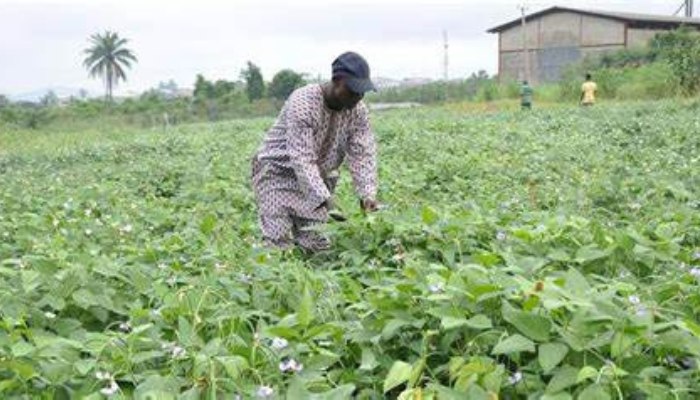
Experts warn that the timing of the export ban is critical, as Nigeria’s wet season farming cycle is about to begin , a development that could drive up fertilizer prices and, ultimately, food costs.
“The timing is crucial because farmers are already preparing to commence farming activities,” John Anana, chief executive of Jeffy Farms, noted.
The Gulf region hosts some of the world’s largest fertilizer plants, while the Strait of Hormuz handles roughly one-third of global trade in crop nutrients.
Prices were already elevated before the latest Middle East tensions, and the renewed conflict comes as farmers across the Northern Hemisphere prepare to apply fertilizers to their fields, according to reports.
Qatar accounts for about 11 percent of global urea exports, with nearly 45 percent of shipments originating from facilities across the Persian Gulf, according Bloomberg intelligence reports.

Meanwhile, prices for granular urea in Egypt have jumped by $60 per metric ton following the effective closure of the Strait of Hormuz, as buyers scramble to secure alternative supplies from North Africa and Southeast Asia, Bloomberg Green Markets reported.