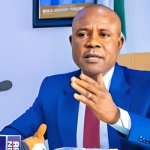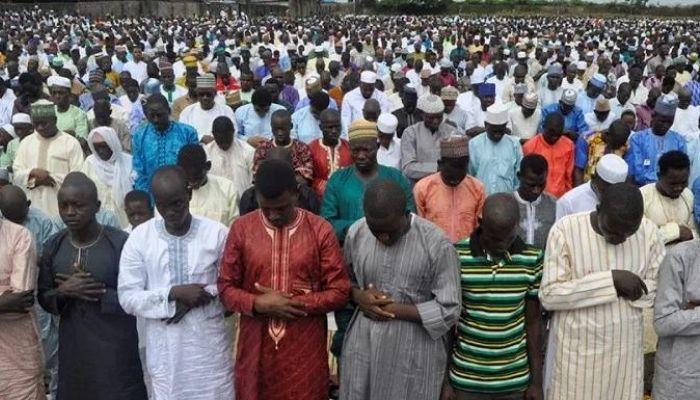
An activist, Kennedy Iyere, has warned the Muslim Rights Concern (MURIC) against what he described as statements capable of triggering inter-religious tension ahead of the 2027 general elections.
Iyere, who is also the coordinator-general of the Youths Economic Intervention and Deradicalisation Programme (YEIDEP), was reacting to a call by the Kano State chapter of MURIC urging President Bola Ahmed Tinubu to sack Joas Amupitan, chairman of the Independent National Electoral Commission (INEC), over a publication relating to alleged killings of Christians in the country.
Iyere, in a statement on Friday, warned Ishaq Akintola, founder of MURIC, against what he termed a persistent tendency to polarise the nation along religious lines. He said the demand for the removal of the INEC chairman on religious grounds was capable of inciting violence and undermining national stability.
“Using religion as a tool for political agitation poses serious risks to Nigeria’s unity. Publications or actions that heighten religious intolerance could provoke unrest and threaten the country’s fragile peace,” he said.

He alleged that MURIC’s interventions over the years had often contributed to religious divisions, stressing the need for restraint in the interest of national cohesion and tolerance.
Iyere also advised youths in Kano State not to allow themselves to be influenced by what he described as overzealous religious actors whose actions could disrupt inter-faith harmony. He specifically urged Hassan Sani Indabawa, Kano State chairman of MURIC, to avoid actions that could deepen religious and political instability.
While acknowledging that Nigerians of different faiths have suffered from insecurity, Iyere stated that killings of Christians have occurred frequently in parts of the country, adding that Muslims have also been victims of violence, though, in his view, at a lower scale. He called on religious groups to address the broader issue of insecurity without framing it in a manner that could inflame sectarian sentiments.
Iyere further blamed Nigeria’s political leadership for worsening insecurity and youth poverty, arguing that poor governance has made young people vulnerable to radicalisation. He said this situation has contributed to persistent violence affecting both Christians and Muslims.
Ahead of the 2027 general elections, Iyere urged Nigerian youths to participate actively in the democratic process by obtaining their Permanent Voter Cards (PVCs). He described voting as a lawful means of effecting change and holding leaders accountable.

According to him, “The power to change the political direction of the country lies with the people. Youths must use their votes to demand better governance and reject leaders who fail to deliver.”