As companies increasingly rely on third-party vendors and partners, managing associated risks has become a critical concern.
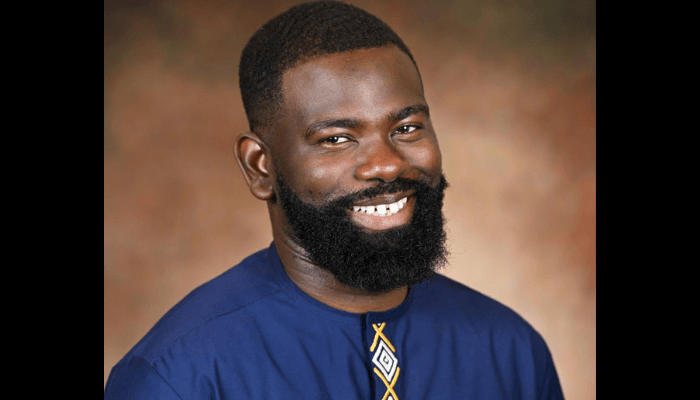
Samson Adegbenro, a risk management expert, is urging businesses to leverage Artificial Intelligence (AI) to enhance their third-party risk management capabilities, enabling them to better identify, assess, and mitigate potential threats.
Adegbenro, in a recent interview with the media, noted that the shift to remote and hybrid work arrangements has created new challenges for organisations, particularly in maintaining oversight, protecting digital infrastructure, and ensuring consistent compliance practices.
“The traditional office model gave organisations more control over systems and processes,” he said

“With remote work, the boundaries are blurred, and risks are more decentralised,” he added.
Read also: How businesses are using AI to cut costs, save time and stay ahead
He emphasised that sustainable risk management must go beyond short-term fixes and focus on building long-term resilience across digital and operational layers.
“Many organisations responded to the remote work transition with temporary tools and reactive strategies. But now, it’s time to embed risk awareness into every part of the remote work structure—from data protection to employee behavior,” Adegbenro explained.
With core expertise in third-party risk management and operational risk, Adegbenro focuses on regulatory compliance, data security, and risk forecasting.

He has led initiatives in vendor audits, continuous monitoring, and scalable risk strategies for remote work environments.
He has also contributed to the design of key performance dashboards and integrated analytics systems.
His work directly supports smarter compliance and long-term sustainability for leading global organisations.
Adegbenro also warned against the false sense of security that often accompanies the use of cloud-based collaboration tools.
While these platforms offer flexibility, he noted that they also introduce third-party risks that are not always visible.
Read also: How AI is quietly revolutionising Nigerian business security
He stressed the importance of real-time monitoring and digital audit trails, particularly in remote settings where physical supervision is limited.
He further highlighted in the statement that sustainable risk practices must also factor in the dynamic nature of remote teams, especially with freelance and contract workers now making up a significant part of the workforce.
“When access is extended to non-permanent staff, there must be well-defined controls, time-bound permissions, and proper exit protocols. Without that, the exposure widens quickly,” Adegbenro said.
Looking ahead, he called for a renewed focus on proactive risk governance, urging organisations to review their business continuity plans and ensure they reflect the operational realities of remote work.
“Risk management isn’t just about identifying threats; it’s about preparing for them in ways that are sustainable, inclusive, and practical under today’s working conditions,” Adegbenro added.