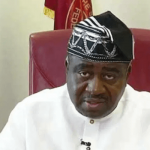
Odoh Ugwu, the Benue State Commissioner for Water Resources, Environment and Climate Change, has identified the lack of a clear definition and differentiation of institutional roles as one of the major gaps in the drafted Climate Change Bill of the State.
Odoh, who made this known during the technical review meeting of the Benue state climate change bill, said if the differentiation of institutional roles is not addressed, there will be a significant risk of overlapping functions, duplication of efforts, institutional conflicts, weak implementation, and poor accountability.
According to the commissioner, “I want to appeal to all participants to provide technical inputs on clear and consistent nomenclature, defined institutional roles and responsibilities, institutional placement and reporting lines, and legal coherence with existing laws and institutions that will represent and reflect our collective commitment to institutionalising climate change in Benue State.”
Ugwu noted that the bill before the Assembly is in line with the Climate Change Act and represents a positive step by the state to institutionalise climate action to build a climate-resilient Benue.

He emphasised that for any law to function effectively, institutional roles must be clearly defined and assigned, well synergised, and non-conflicting, so careful consideration of these elements will greatly enhance implementation once the law is enacted.
“This engagement is strictly a technical review and not a public hearing or legislative debate, and the primary objective is to strengthen the drafted climate change bill to ensure clarity, effectiveness, and smooth implementation,” he added.
The Commissioner lauded Governor Hyacinth Alia’s climate actions and unwavering commitment to environmental sustainability in the state and for expanding the scope of the Ministry of Water Resources and Environment to accommodate climate change, which had elevated climate change from a unit to a full department, thereby reflecting the state’s commitment to addressing climate challenges.
“Let me also express my appreciation to Hope Alive for the Possibility Initiative, members of the Benue State House of Assembly, civil servants, legal draftsmen, Civil Society Organisations, members of the academia, stakeholders, and all those who took their time to be part of the event. We will soon be there.
On her part, Executive Director of Hope Alive for Possibilities Initiative, Aver Akighir, explained that the bill came at the right time after the domestication of the disability law in the state and encouraged persons with disabilities to pay adequate attention to identify areas of their concerns to have an inclusive law on climate change for Benue people.

She urged participants to be holistic and critical in the review, hoping that in the end, a meaningful result would be achieved.
“When this bill is finally passed, it will be an all-inclusive bill. Thank God it is coming at the right time; we already have a disability law which was passed last year. We are in the era of leaving no one behind, and I believe with our collective views, we will get it right,” she said.
Seember Ugboho, Director, Department of Climate Change, Ministry of Water Resources, Environment and Climate Change, presented the overview of the Benue state climate change bill.
Our correspondent reports that the Climate bill, if properly reviewed and passed into law, will help in enhancing the economic fortunes of the State and scale up the revenue drive through positive ventures like the construction of dams across the State, which will help in opening up irrigation sites for all year-round farming, afforestation, among others.