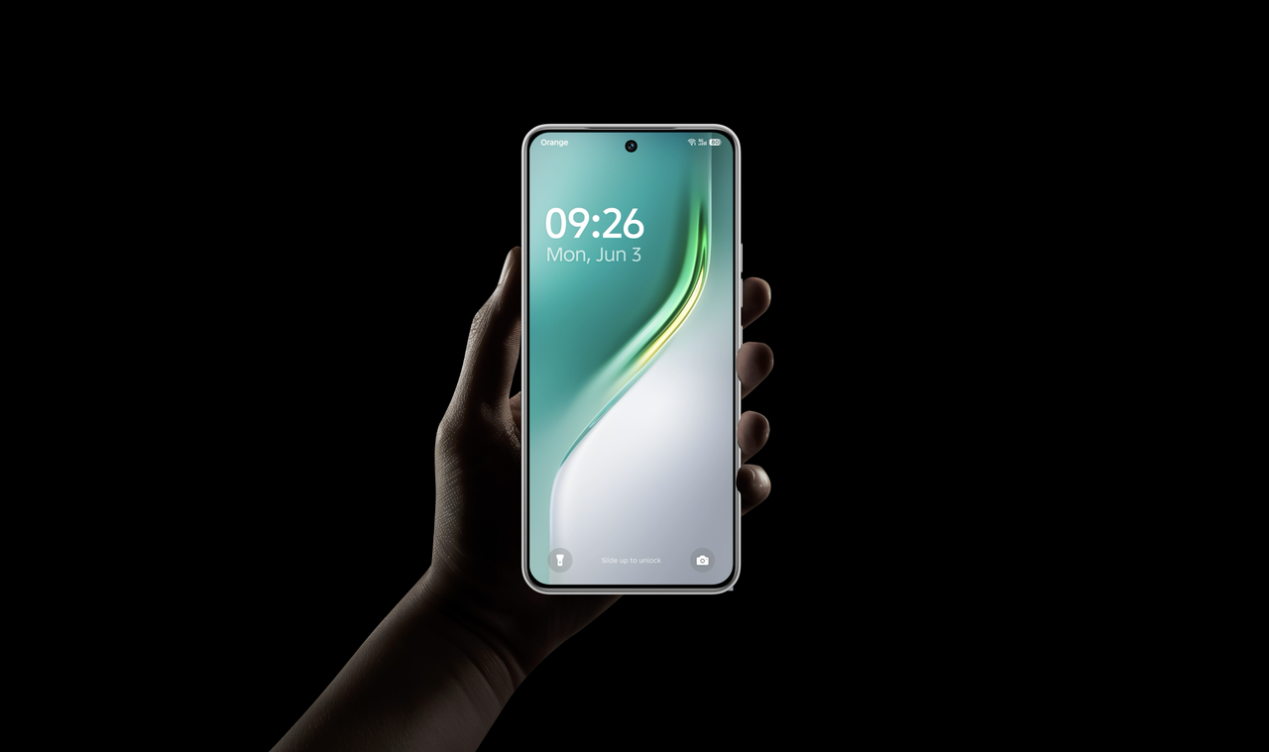
Apple will this week test its customers’ loyalty, buying power and enthusiasm for innovation when it unveils the first iPhone to cost as much as $1,000. Tuesday’s event at Apple’s new Cupertino headquarters is expected to reveal its much-anticipated 10th-anniversary iPhone, offering significant upgrades to the smartphone’s display, camera and overall design. The high-end model is an addition to Apple’s line-up, alongside more incremental updates to the iPhone 7 and 7 Plus released last year.
Analysts believe the launch will help Apple to overcome its growth problem of the last two years. In markets such as America and Europe, where smartphone ownership is close to saturation and many customers are holding on to their existing handsets for longer, the best way to drive faster revenue growth is by charging more for each device, rather than simply relying on unit growth. At the same time, Apple is bringing in costly new components. These include an OLED display that makes the front of the phone into one continuous screen.
Depth-sensing cameras will offer new “augmented reality” features and allow the device to be unlocked by face recognition, instead of fingerprint. At least one model of the next iPhone is expected to feature image-capture technology that can sense depth, and track faces and expressions.
A range of new emojis include monkeys and robots, whose animated expressions can mirror the iPhone user’s face as Apple battles for users’ attention with the likes of Facebook and Snapchat. More advanced components are in short supply, however, which could leave many customers waiting long after September to get hold of the new iPhone. That presents an opportunity for rivals such as Samsung’s new Note 8 or Essential, the smartphone maker led by Android co-founder Andy Rubin, which is targeting premium customers such as Apple’s with its slick $699 device. Google is also said to be preparing a new version of its Pixel smartphone, which has proved popular with early adopters.

With this renewed competition at the high end of the mobile market, Apple will be banking on customers’ loyalty to its interlinked family of products and services to lock them into the iPhone. But for the company to preserve its industry-leading profit margins, analysts say that higher component prices point to the special-edition iPhone costing at least $1,000 — perhaps even more for models with higher storage capacity.
“We’ve never had any phone that cost this much,” said Ben Bajarin, analyst at Creative Strategies. “Apple knows that their customers aren’t going to go anywhere — what they are giving them is more options.” A survey by Creative Strategies and SurveyMonkey found that 21 per cent of consumers planning to buy the new iPhone would do so however much it cost, although 33 per cent of existing iPhone users said they would not upgrade if it was too expensive.
While some may suffer sticker shock on Tuesday, segmenting the market like this is common in mature markets from televisions to cars, as well as Apple’s existing product range. Apple’s desktop computers already range widely in price, from $500 for the Mac mini to $4,000 for a Mac Pro. The Apple Watch, when released, included a solid gold Edition model costing upwards of $10,000.
The iPhone itself has ranged down, with 2013’s plastic-backed 5C costing $100 less than the standard model, while the most expensive iPhone 7 Plus with 256GB of memory already costs $969. “Apple have become the masters of segmenting a portfolio into very distinct price tiers,” said Geoff Blaber, analyst at CCS Insight. “We tend to look at the headline [$1,000] number and think this is new territory for Apple but actually it has a far broader portfolio than many people realise.” Nonetheless, it could create a perception problem for Apple that it is fleecing its notoriously loyal and affluent customer base. “There is going to be a lot of misunderstanding that this is Apple going out to extract as much as they can from their customers,” said Blaber.
Analysts at Citi Research expect the “bill of materials” and assembly costs for the special-edition model to be $100 higher than for today’s iPhone 7, at an estimated $387. Half of that extra cost is due to the OLED display, which is available in more limited quantities from supplier Samsung Electronics than the LCD screens in previous iPhones. To retain its gross margin of about 46 per cent, Wayne Lam of research group IHS predicts Apple will be forced to price the device at about $1,000. “It is no secret that Apple has the highest profit margins in history,” he said. “This year will test the price elasticity of regular consumers.”

Some customers are prepared to pay more for their smartphones because the device has become so central to their daily lives, analysts say. Other smartphone makers are taking advantage of that: Samsung’s Galaxy Note 8, released next week, costs $960. Monthly payments through mobile operator contracts, or bundled services such as music streaming or cloud storage, can soften the blow of a high price.
Even a $1,000 phone costs less than many Starbucks’ customers annual outlay on lattes. Still, it is more than most people spend on a PC these days. “Given that phones don’t necessarily last more than two years, it’s a big investment,” Mr Lam said. “There is an economic reckoning that needs to be had with the ever-increasing costs of devices.”
FT