A paralysing manpower crisis has gripped the judicial system in Anambra State, as the Judicial Service Commission (JSC) publicly laments an acute shortage of sitting magistrates and High Court judges.
Stanley Mbanaso, executive secretary and permanent secretary of the Commission, disclosed this to journalists in Amawbia, Awka South Local Government Area on Friday.
This systemic bottleneck is stalling the dispensation of justice, leaving thousands of citizens languishing in prolonged pre-trial detentions.
For observers across the continent, including Kenya—where case backlogs frequently undermine the rule of law—the Anambra crisis represents a universal African governance challenge.

A system overwhelmed
During recent briefings, judicial officials painted a grim picture of courtrooms overflowing with unheard cases.
The current ratio of judges to the population in Anambra is drastically skewed, making it physically impossible for the existing bench to process dockets efficiently.
The financial implications are equally dire. Sustaining an inefficient justice system drains state resources, while the delayed resolution of commercial disputes stifles economic growth, locking up billions of Naira (equivalent to hundreds of millions in KES) in litigation.
Massive backlog of civil and criminal cases pending review.

Urgent infrastructure upgrades required before new appointments can proceed.
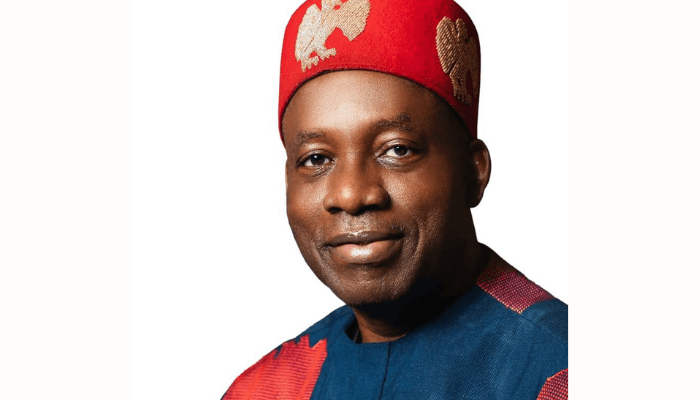
The JSC has pinned its hopes on the state executive. Officials confirmed that once foundational facilities and court infrastructures are fully modernized, they anticipate Governor Chukwuma Soludo will swiftly approve the appointment of new judicial officers.
However, critics argue that justice cannot be put on hold for infrastructural perfection. The continued delays violate the fundamental human right to a speedy trial, eroding public trust in the state’s institutional capacity to mediate disputes and enforce laws.
The scenario in Anambra mirrors a continent-wide struggle to adequately fund the judiciary. Without absolute financial autonomy, justice departments remain at the mercy of executive goodwill, a dynamic that inherently threatens judicial independence.
Until state governments prioritise the legal sector with the same fervor as infrastructure or security, the scales of justice will remain permanently unbalanced.
“Once all necessary facilities are in place, we are hopeful that Governor Chukwuma Soludo will approve the appointment of more High Court judges,” a JSC representative confirmed.