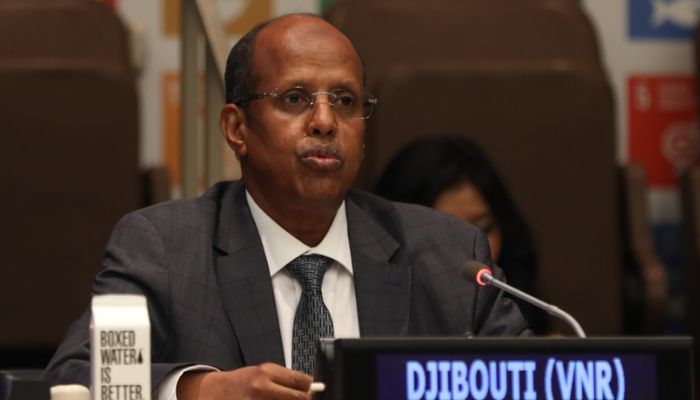
Mohmoud Ali Youssouf, Chairperson of the African Union Commission, has expressed grave concern over reported coordinated military strikes by the United States and Israel against targets inside the Islamic Republic of Iran, describing the development as a dangerous escalation with far-reaching global consequences.
In a statement on the rising tensions in the Middle East, Youssouf warned that the strikes mark a serious intensification of hostilities in an already volatile region, and could further destabilise international peace and security.
He called for immediate restraint and urgent de-escalation by all parties involved, stressing the need to adhere strictly to international law and the principles of the United Nations Charter. According to him, diplomacy — not force — remains the only sustainable pathway to peace.
Beyond the immediate security implications, the AU chief cautioned that the escalation could have ripple effects across global energy markets, food supply chains and fragile economies, particularly in Africa. He noted that many African countries are already grappling with conflict, inflationary pressures and external economic shocks, making them especially vulnerable to disruptions triggered by instability in the Middle East.

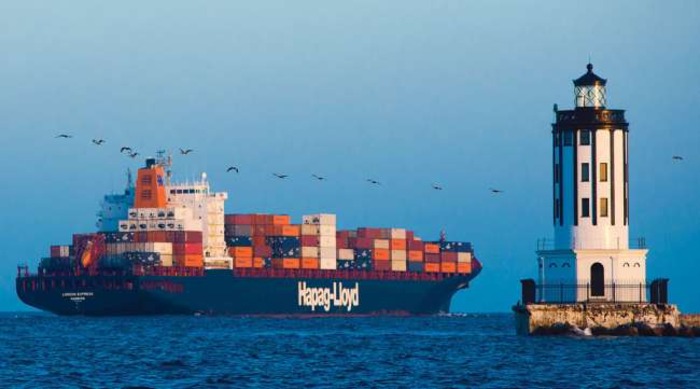
Analysts have long warned that heightened tensions involving Iran, Israel and the United States could disrupt oil exports and shipping routes, leading to spikes in fuel prices and commodity costs worldwide. For African economies heavily dependent on imports of refined petroleum products and food staples, such volatility could compound existing socio-economic challenges.
Youssouf urged all concerned actors to prioritise diplomatic engagement and support ongoing international mediation efforts, including those facilitated by the Sultanate of Oman, aimed at reducing tensions and preventing a broader regional conflict.
Reaffirming the African Union’s commitment to a rules-based international order, he emphasised that sustainable peace can only be achieved through dialogue, mutual respect and adherence to global norms, rather than through military confrontation.
The AU’s intervention adds to growing international calls for calm as fears mount that further escalation could draw in additional actors and deepen instability across the Middle East and beyond.