For many Nigerians, the “ember months” are usually a time of anxiety. The closer December draws, the higher the expectation, and fear, that prices of essential goods will spiral again. After all, memories of last year’s record hikes are still fresh: a 50kg bag of rice selling for as high as N120,000, cooking gas prices doubling within weeks, and transport fares biting harder than ever.
But this year feels somewhat different. There’s a calm, at least, for now.
From the second quarter of 2025, Nigeria’s inflation rate, which had stubbornly risen through 2024, began to ease. According to the National Bureau of Statistics (NBS), inflation has now decelerated for six consecutive months, standing at 18.02 percent, the lowest since 2022. For consumers already fatigued by months of price instability, that figure offers a small but welcome relief.
“I won’t say things are cheap,” said Esther Adewole, a Lagos-based mother of two. “But at least, when I go to the market this week, the prices are almost the same as last week. That alone gives me peace of mind.”

Economists say the relative price stability Nigerians have witnessed since mid-year is not accidental. The Central Bank of Nigeria’s tightened monetary policies, increased dollar inflows from oil and non-oil exports, and a more coordinated fiscal approach to food and fuel distribution have all helped calm the storm.
Indeed, after a volatile start to the year, the naira has seen fewer sharp swings in the parallel market, now trading below N1,450. Importers, especially those bringing in food items and industrial inputs, are no longer pricing their goods based on panic.
Read also: Nigeria’s festive frenzy: The unspoken challenges of Detty December
The forces behind the slowdown
According to Simon Samson, an economics lecturer at Baze University, Abuja, and chief economist at ARKK Economics and Data Limited, the recent slowdown in inflation reflects a combination of deliberate policy actions and favourable seasonal trends.

“Some of the key factors slowing down inflation include aggressive monetary tightening beginning to kick in, exchange rate stability and appreciation, opening of the borders to allow food imports, the arrival of harvest season, and steady fuel supply,” Samson explained.
“However, the sustainability of the slowdown is threatened as the festive season approaches, largely due to seasonal demand spikes. This risk, however, should be muted if all the factors driving the slowdown remain active.”
The cooking gas and petrol scare
October’s sudden spike in cooking gas prices, from N1,000 to over N2,000 per kilogram, served as a reminder of how fragile the stability still is. The surge, attributed to temporary supply disruptions and higher international prices, triggered panic buying and short-lived scarcity. But the market soon corrected itself, and prices now hover between N1,200 and N1,400.
“Last year, when gas went up, it stayed up for months,” said Rukayat, who runs a small food business in Lagos. “This time, it came down quickly. It shows things are improving somehow.”
Petrol remains the single most influential factor on prices in Nigeria. After months of stability below N900 per litre, there are renewed fears that pump prices could approach N1,000 as global crude prices fluctuate. However, energy analysts believe this year’s situation is less dire than in 2024, when deregulation was fresh and subsidy removal chaos pushed prices sharply upward.
Yet, Samson cautioned that volatility in fuel and gas prices remains a risk. “Significant shocks that could disrupt the current price stability of petrol and gas prices in the short run are possible attacks on Nigeria by the US or sentiments around them, and spikes in demand as the year-end festivities approach,” he noted.
Read also: FG to establish Presidential Task Force on “Detty” December, approves tourism zones
Food prices show promise
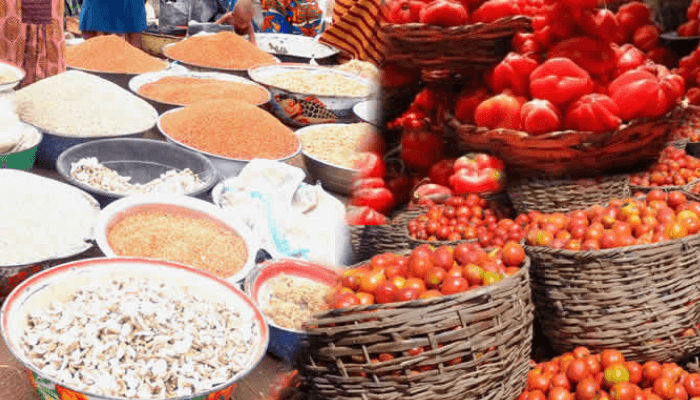
Food prices, the most emotionally charged indicator of inflation, have shown surprising resilience. After months of steady increase last year, many staples like rice, beans, and garri have either stabilised or dropped slightly in the past quarter.
At major markets in Lagos, traders say a 50kg bag of rice that sold for N90,000 in April now sells between N70,000 and N80,000, depending on the brand and source. Beans prices have similarly softened due to improved harvests from the northern states.
Analysts attribute this trend to improved harvest, better distribution channels, and duty waivers on some food items by the federal government.
Samson agrees that seasonal factors are crucial. “Festive demand usually makes consumer items increase in price, while harvests can help bring prices down. This year will be different because the naira has appreciated, helping reduce import costs, and there’s a sustained disinflationary trend,” the Abuja-based lecturer said.
The policy balancing act
To prevent a repeat of last year’s record price hikes during the Yuletide, Samson believes both fiscal and monetary authorities must remain coordinated and proactive.
“There is a need for the duo of the fiscal and monetary authorities to work in consonance to achieve low, sustainable, and predictable prices,” he advised.
“Boosting production to meet expected demand, ensuring fuel availability for vehicles, maintaining an improved FX market, and curbing speculative activities are all essential.”
The festive uncertainty
Still, the festive season is unpredictable. Increased demand for food, travel, and energy could create temporary pressure. Traders are already hinting that by December, prices of rice and poultry products might adjust upward, as wholesalers prepare for the seasonal rush.
Even so, the consensus among experts is that while costs may rise slightly, Nigeria is unlikely to witness the kind of runaway inflation that scarred last Christmas.
In essence, while Nigeria’s economic wounds from 2024 are still healing, the signs point to a calmer December. Barring any major shocks, in fuel, foreign exchange, or security, the country may, for the first time in years, celebrate a festive season without a price nightmare.