More than 14 million of the world’s most vulnerable people, including nearly five million young children, could die by 2030 as a result of the foreign aid cut by the Donald Trump administration, according to projections published in The Lancet Medical Journal.
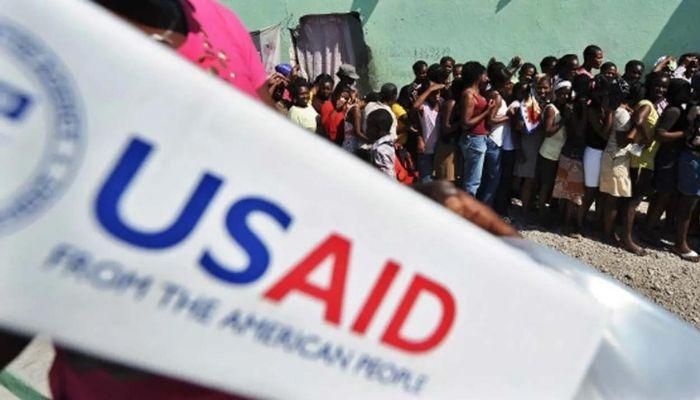
The international team of researchers found that funding cuts to the US Agency for International Development (USAID), which once accounted for over 40% of global humanitarian assistance, threaten to reverse two decades of gains in global health.
The analysis estimates that between 2001 and 2021, USAID-funded programmes helped prevent 91 million deaths in low- and middle-income countries. These included a 32% drop in mortality rates among children under five, and a 65% reduction in deaths from HIV/AIDS in countries receiving substantial support.
Researchers modelled the impact of an 83 per cent reduction in USAID funding — a figure announced earlier this year by the US government and projected it could result in over 14 million avoidable deaths by the end of this decade.

For comparison, around 10 million soldiers died during the First World War.
Read also: Top 10 African countries receiving the least U.S. aid in 2025, despite USAID freeze
Davide Rasella, a co-author of the study and researcher at the Barcelona Institute for Global Health (ISGlobal), warned that the scale of disruption from the cuts “would be comparable to a global pandemic or a major armed conflict”.
“For many low- and middle-income countries, this shock risks abruptly halting, and even reversing, progress made in health outcomes over the past twenty years,” he said.
The findings were released as global and business leaders convened in Seville, Spain, for the largest international development summit in a decade. The United States is not attending the meeting.

Programmes previously supported by USAID were linked to a 15% decline in deaths from all causes. In addition to curbing fatalities from HIV/AIDS, aid funding halved deaths from malaria and neglected tropical diseases.
USAID’s foreign assistance previously accounted for just 0.3 per cent of total US federal expenditure. “That amounts to roughly 17 cents per American per day — or around $64 annually,” James Macinko of the University of California, Los Angeles, another study contributor said.
“I believe many Americans would support continued USAID funding if they knew just how effective such a modest contribution can be in saving millions of lives”, he added.
While the study’s authors emphasised that the projected death toll is based on currently pledged aid levels, they noted that outcomes could improve swiftly if funding were restored.
“There is still time to act. Now is the time to scale up, not scale back”, Rasella said.